National Dish Kuwait: Kibbeh (Recipe)
In this article
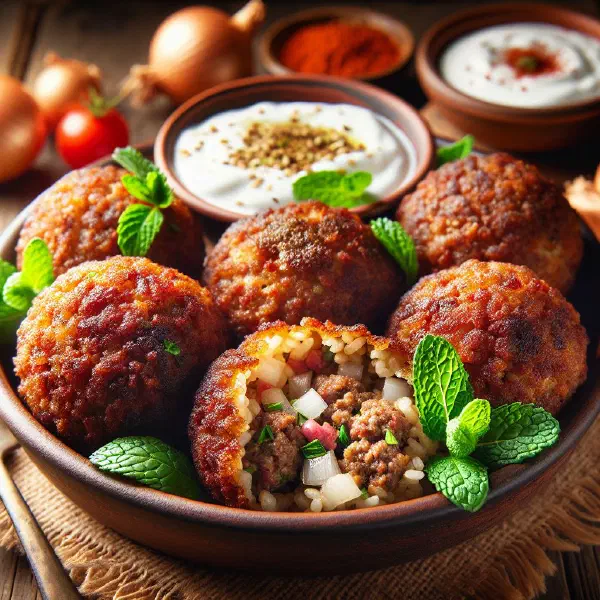
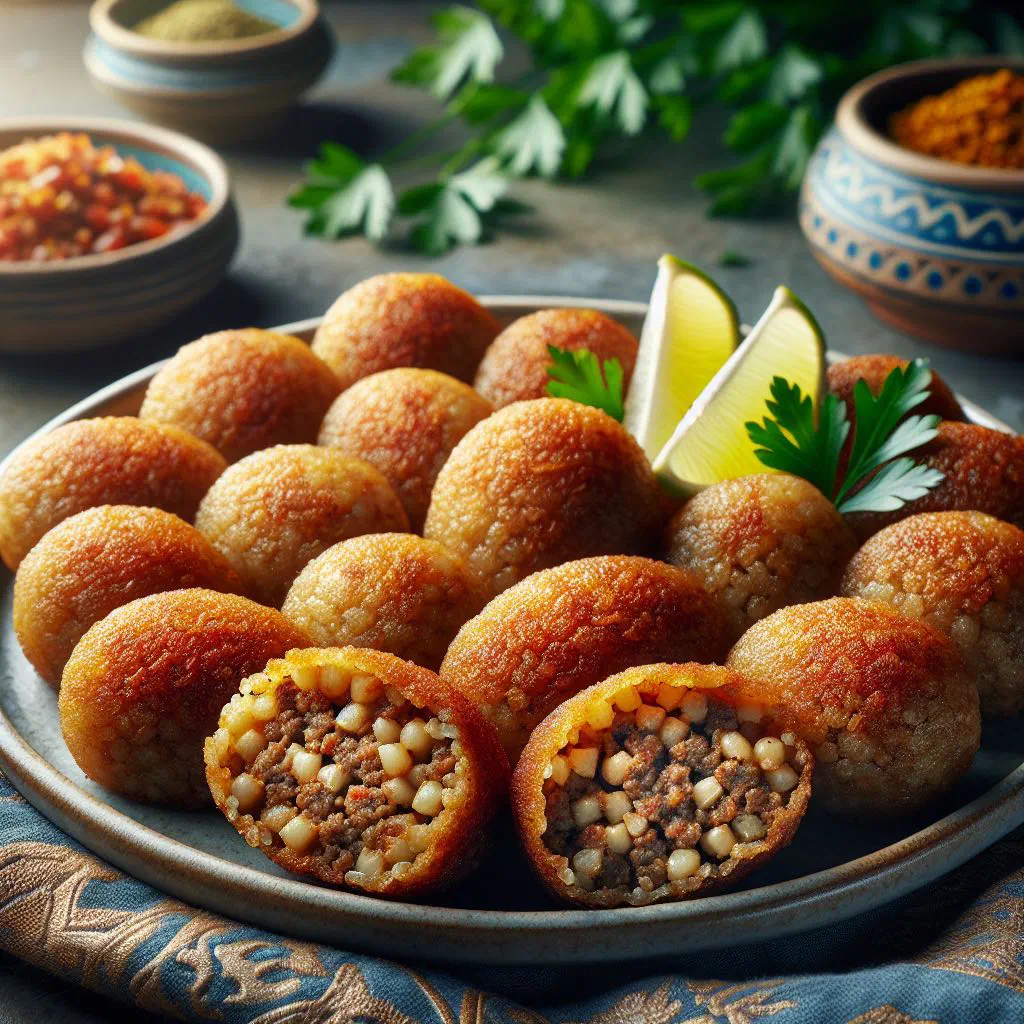
Discover Kibbeh, one of Kuwait’s most treasured plates. These crisp, torpedo-shaped parcels wrap a shell of fine bulgur around a fragrant filling of minced meat and toasted pine nuts. Warm cinnamon and cumin run right through them, and every bite delivers that unmistakable Middle Eastern depth. Fry them, bake them or serve them raw, kibbeh is a dish that rewards a little patience with an enormous amount of flavour.
About Kibbeh
Kibbeh is a traditional dish from the Middle East that is held in particularly high regard in Kuwait. These stuffed dough parcels are built from a fine blend of bulgur, meat and a carefully chosen mix of aromatic spices. The method varies from cook to cook, which means kibbeh can be enjoyed in several guises, fried, baked or even served raw. Each mouthful opens up a complex flavour profile that captures the very essence of Kuwaiti cooking.
Ingredients (serves 1–2)
- 250 g bulgur
- 200 g lean minced meat (beef or lamb, for example)
- 1 onion, finely chopped
- 2 tablespoons pine nuts
- 1 teaspoon ground cinnamon
- 1 teaspoon ground cumin
- Salt and pepper to taste
- Olive oil, for frying
- Fresh parsley, to garnish
Shopping for the ingredients
Choosing the right ingredients is what makes or breaks the flavour of kibbeh. Head to a local market or an Arabic grocery to track down good-quality produce. Look out for fresh bulgur and lean meat in particular, since these form the foundation of the parcels. Spices play a central role here, so make sure yours are fresh. It is the surest route to an authentic taste, just as it is with a well-made Kabab Kuwaiti.
Preparing the dish
Before you start shaping kibbeh, get all your ingredients thoroughly prepped. Soak the bulgur in water so it can swell properly, allow around 30 minutes for this. While it sits, finely chop the onions and measure out the spices so the cooking itself goes quickly. This groundwork helps the individual elements harmonise and gives the finished dish its rounded flavour.
Step-by-step instructions
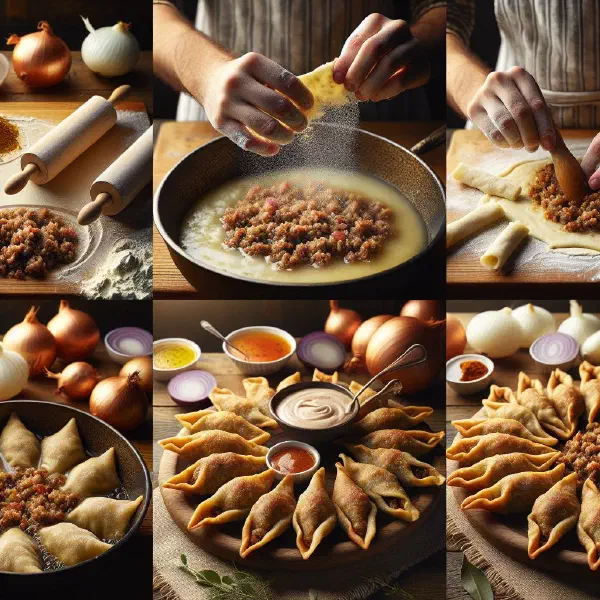
- Drain the soaked bulgur well and tip it into a mixing bowl.
- Add the minced meat, the onions, the spices and half the pine nuts, then combine everything thoroughly.
- Shape the mixture into small balls and press a hollow into each one.
- For the filling, fry the remaining meat and pine nuts and spoon them into the hollows.
- Seal the balls carefully and either fry or bake them, according to preference.
Gluten-free / lactose-free version
For a gluten-free take on kibbeh, the bulgur can be swapped for gluten-free oats or quinoa. Keep an eye on the consistency, as these alternatives behave rather differently. When using minced meat, make sure it is not contaminated with other gluten-containing ingredients. You can also reach for plant-based alternatives to dairy in the filling to keep the recipe lactose-free.
Tips for vegans and vegetarians
To put together a vegan version of kibbeh, replace the meat with vegetarian mince or a generous vegetable filling, a mixture of lentils and chickpeas works beautifully, much like the pulses in a hearty Lentil Soup. The key is to season boldly so the dish still tastes complete. Deep-frying can also give way to baking in the oven for a lighter result.
More tips and tricks
Play around with different spices and herbs to shift the aroma of your kibbeh. A little fresh coriander or mint, for instance, brings something distinctive to the mix. If you are frying the parcels, take care not to let the oil get too hot, or the outside will scorch while the inside is still raw. A steady, even temperature is what gives you a perfectly browned, fully cooked ball.
Adapting the recipe to your taste
The kibbeh recipe is easy to bend towards your own preferences. Try other meats, such as chicken or turkey, for a change of pace. The spicing can shift too, a little paprika or a pinch of chilli flakes adds welcome heat.
Ingredient substitutions
If you are hunting for alternatives to particular ingredients, the minced meat can be replaced with tofu or another plant-based meat substitute. For the gluten-free version, as mentioned, bulgur can give way to quinoa. And if you have no pine nuts to hand, walnuts or almonds make an excellent stand-in. This flexibility lets you tailor the recipe to your own tastes and needs.
Drink pairing ideas
Several drinks pair superbly with kibbeh and round out the whole experience. A fresh mint tea complements the dish’s aromas perfectly and adds a refreshing lift, while a strong Arabic Coffee makes a fitting close to the meal. Alternatively, an aromatic pomegranate juice offers a sweet, fruity accompaniment. For those who prefer something alcoholic, a light white wine underlines the spicing nicely.
Serving and presentation ideas
Presentation matters a great deal with kibbeh, and a little care makes the dish all the more appetising. Serve the parcels on an attractive platter and garnish them with fresh parsley and mint. A yoghurt dip or a good tahini sauce on the side heightens the pleasure and invites everyone to share, as does a bowl of creamy Hummus. The way you arrange everything contributes to the mood of the meal, turning it into a proper feast.
A bit of history
Kibbeh has a long history across the Middle East, where it is regarded as a symbol of hospitality. It is often prepared for festive occasions and celebrations. The methods have evolved over the decades and vary considerably from region to region. In Kuwait and its neighbouring countries, kibbeh is not merely a dish but part of a cultural identity and one of the warm rituals of coming together, a role it shares with much of Kuwaiti cuisine.
More recipe ideas
Summary: Kibbeh
Kibbeh is a captivating dish, rich in aroma and tradition. The joy lies in the cooking and in sharing the results. The sheer number of ways you can adapt it means the dish can be made entirely your own. Dive into the culinary world of Kuwait and savour every last bite of kibbeh.