National Dish Kuwait: Laham Nashif (Recipe)
In this article
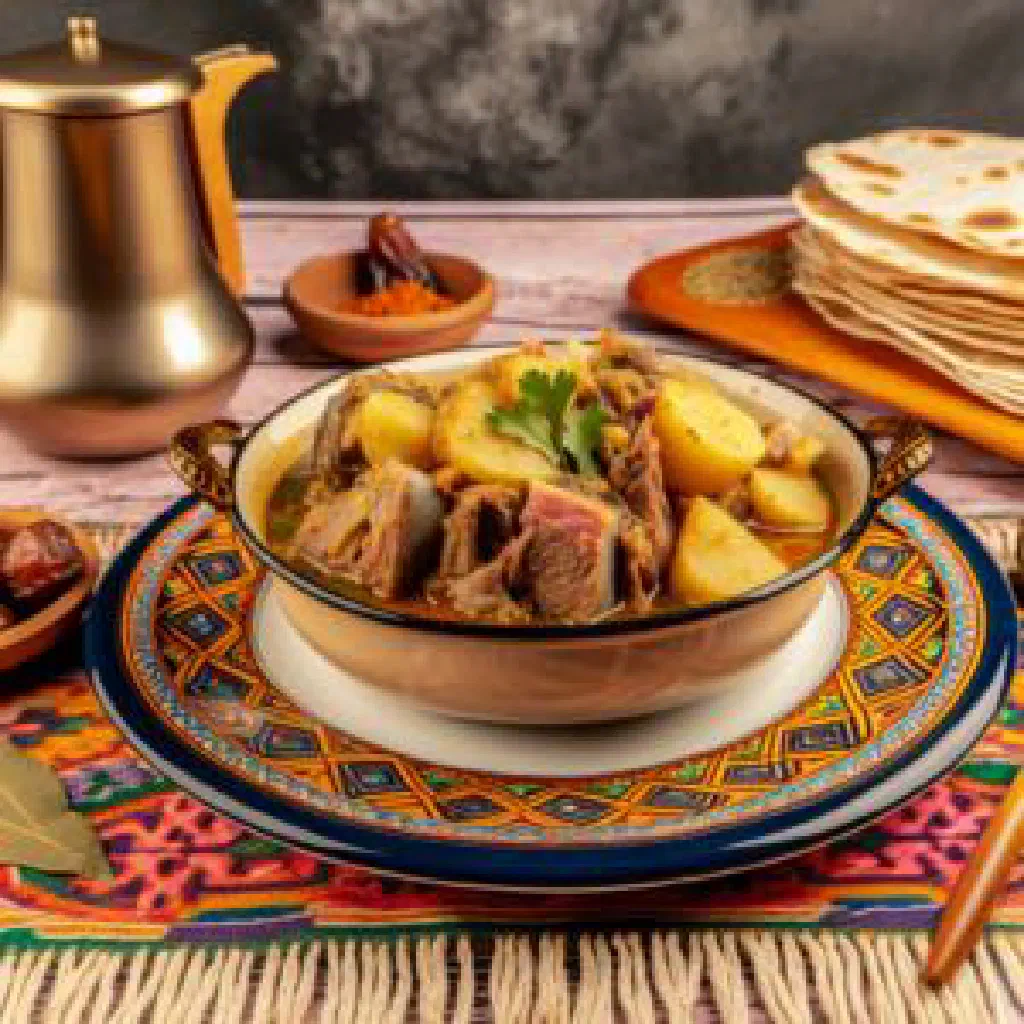
Meet Laham Nashif, a slow-braised meat dish that sits right at the heart of Kuwaiti home cooking. Hours of gentle simmering turn lamb or beef meltingly tender, while cumin, cinnamon and turmeric build a warm, deeply savoury base. Finished with a scattering of fresh herbs and served with rice or flatbread, it is the kind of food that fills a house with aroma long before anyone sits down. Every mouthful carries the generosity of Kuwaiti hospitality.
About Laham Nashif
Laham Nashif is a long-established dish from Kuwait, known for its intense aromas and rich, rounded flavour. It is typically made with lamb or beef, braised over several hours until the meat is beautifully tender and the sauce has taken on real depth. The particular combination of aromatic spices and freshly chopped herbs is what makes the dish stand apart. Preparing it is not simply a cooking task but part of the tradition of Kuwaiti hospitality, something you can taste in every bite.
Ingredients (serves 1–2)
- 400 g lamb or beef, cut into pieces
- 2 onions, roughly chopped
- 4 garlic cloves, crushed
- 2 tsp cumin
- 1 tsp cinnamon
- 1 tsp turmeric
- Salt and pepper to taste
- 500 ml water or stock
- Fresh herbs (coriander or parsley), to garnish
Shopping for the ingredients
For laham nashif it is important to pay attention to the quality of the meat. Fresh lamb or beef gives the best flavour and the most tender texture. Visit a local market or a butcher who deals in fresh produce. The spices should be of good quality too, so that they release their full aroma and carry the dish authentically, the same principle that makes a good Machboos Laham work.
Preparing the dish
Preparing Laham Nashif takes a few considered steps to make sure the flavours blend properly. Begin by cutting the meat into even pieces so that everything cooks at the same rate. Then get the onions and garlic ready so they are on hand for the cooking process. Having all your ingredients prepared in advance keeps the whole thing running smoothly.
Step-by-step instructions
- Heat a little oil in a large pan and fry the onions and garlic until golden brown.
- Add the meat and brown it on all sides until it has a good colour.
- Scatter the cumin, cinnamon and turmeric over the meat and stir well.
- Pour in the water or stock, season with salt and pepper, and bring to the boil.
- Reduce the heat and let the dish simmer gently for around 1½ to 2 hours, until the meat is tender.
- Serve the laham nashif hot, garnished with fresh herbs, alongside fragrant rice or flatbread.
Gluten-free / lactose-free version
Laham Nashif is easily made gluten-free and lactose-free. Since the dish consists mainly of meat and spices, you simply need to check that none of the ingredients you use contain gluten-based additives. Serve it with gluten-free bread and leave out dairy products if you want a lactose-free version. There are also good alternatives such as peanuts or sunflower seeds if you want a creamy texture without milk.
Tips for vegans and vegetarians
A similar dish works well for vegans and vegetarians too, simply by swapping the meat for vegetables or plant-based protein. Chickpeas or tofu are good choices, as both take up the spices readily and give plenty back in flavour. Adding a mix of vegetables such as carrots, courgettes and potatoes rounds out the meal and makes it more nourishing. With these adjustments you have a tasty plant-based version that keeps the character of the original, much like a well-made Foul Medames.
More tips and tricks
A few extra touches can improve laham nashif considerably. Let the dish rest for a few minutes after cooking so the flavours can settle and develop. Serve it in a traditional bowl to create a more authentic experience. You can also garnish it handsomely with fresh herbs, caramelised onions or toasted nuts. These small details lift both the presentation and the taste.
Adapting the recipe to your taste
The recipe for laham nashif is easy to adjust to personal preference. If you like things hotter, add chilli or other pungent spices. There is no limit to what you can do with it.
Ingredient substitutions
If you do not have every ingredient for laham nashif to hand, there are plenty of alternatives. Instead of lamb you could use beef or even chicken, which tastes excellent too. For the vegetables, pick seasonal, fresh produce to draw out the best flavours. You can experiment with the spices as well, using herbs you prefer or already have in the cupboard.
Drink pairing ideas
Choosing the right drink complements laham nashif beautifully. Traditionally, a hearty dish like this is served with Arabic drinks such as Laban or fresh mint tea. If you prefer an alcoholic option, a lightly chilled red wine or a crisp lager sits well with this substantial food. Go for drinks that support the flavour of the meal and round out the whole atmosphere.
Serving and presentation ideas
Presentation is an important part of enjoying laham nashif. Serve the dish in a large, decorative bowl to make it look inviting. Fresh herbs and toasted nuts work well as a garnish, adding colour and texture. Take care to arrange the sides so that they show to advantage, a warm Khubz alongside never goes amiss. A thoughtful presentation lifts the whole dining experience.
A bit of history
Laham Nashif is a culinary highlight of Kuwait and tells the story of Kuwaiti cooking and its roots. The tradition of slow braising has a long history across the Arab world, born of the need to preserve meat and make it tender at the same time. The dish belongs to cultural festivals and gatherings, where family and friends come together to share its flavours. It brings both celebration and the soul of Kuwaiti cuisine and hospitality to the table.
More recipe ideas
Summary: Laham Nashif
In short, laham nashif is an exceptionally tasty and aromatic dish that reflects Kuwaiti culture. With the right combination of good-quality meat, fresh ingredients and a generous range of spices, it suits both special occasions and simple everyday enjoyment. It is a fine example of how the region’s cooking brings together history, tradition and warmth. Every bite carries not just the flavour but the hospitality of Kuwait into your own home.