National Dish Kuwait: Louqaimat (Recipe)
In this article
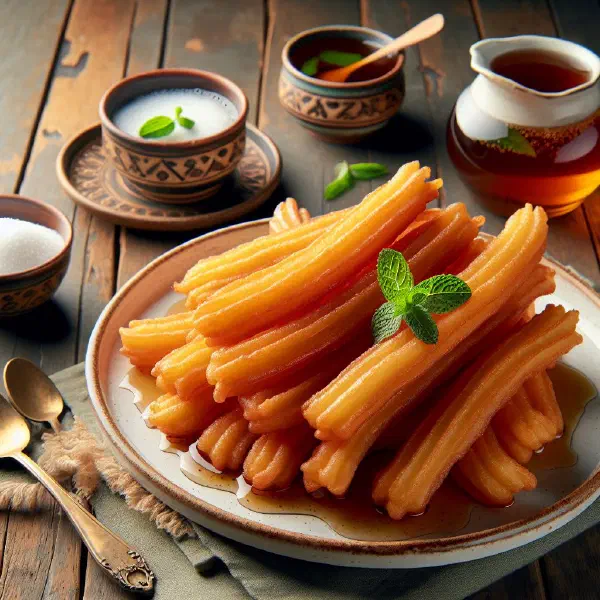
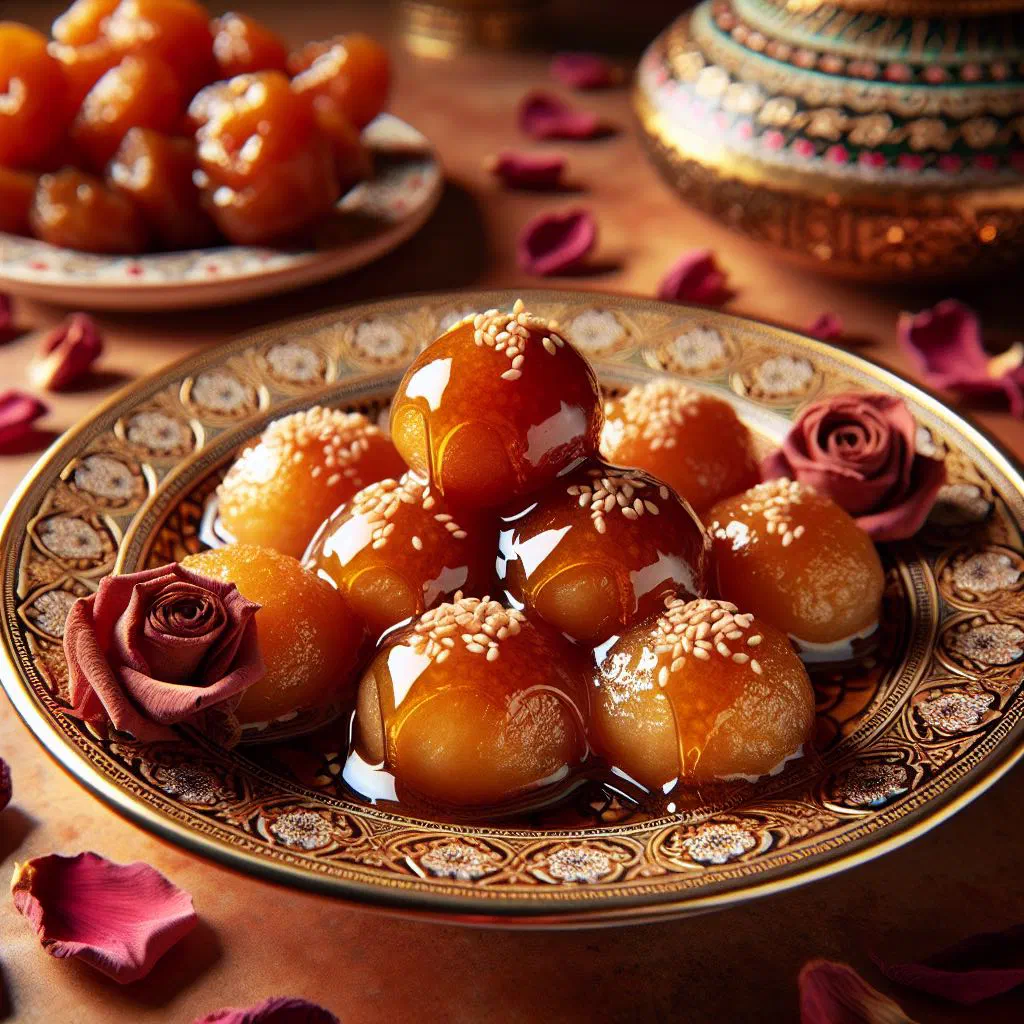
Discover Louqaimat, the little golden dumplings that turn up at every celebration in Kuwait. Crisp on the outside, soft and airy within, they are lifted out of the hot oil and bathed in a glossy sugar syrup while still warm. Few sweets say Arabian hospitality quite so clearly: a plate of them appears the moment guests arrive, and it rarely lasts long. Simple to make, endlessly moreish, and best shared.
About Louqaimat
Louqaimat are crisp dumplings enjoyed as a much-loved sweet across Kuwait and the wider Arab world. They are known for their golden-brown colour and fluffy texture, a combination that makes them a genuine treat. The dish carries real cultural weight and is often served at festivities and family gatherings. Preparation is straightforward, and they are made for sharing with friends and family.
Ingredients (serves 1–2)
- 250g plain flour
- 1 teaspoon dried yeast
- 2 tablespoons sugar
- 1 teaspoon vanilla extract
- 120ml water
- 1 pinch of salt
- Oil, for deep-frying
- For the syrup: 200g sugar, 100ml water, 1 teaspoon lemon juice
Shopping for the ingredients
To gather what you need for louqaimat, start with a well-stocked supermarket or an Arabic grocery. Most of the ingredients are everyday items and easy to find, particularly the flour, sugar and yeast. A few extras such as vanilla extract or lemon juice are also stocked almost everywhere. Have a browse through the baking aisle to pick the best products, and look for fresh ingredients wherever you can.
Preparing the dish
Before you start making louqaimat, it pays to assemble everything so the process runs smoothly. Begin by activating the dried yeast in warm water so it can develop its full flavour. Then measure out the remaining ingredients and make sure all is ready before you begin mixing the dough. A well-prepared kitchen not only makes cooking easier, it makes it far more enjoyable too.
Step-by-step instructions
- Dissolve the dried yeast in warm water and leave to stand for 10 minutes.
- Put the flour, sugar, salt and vanilla extract into a bowl.
- Add the liquid with the activated yeast and mix everything thoroughly.
- Cover the dough and leave it to rise in a warm spot for about 1 hour, until doubled in size.
- Heat oil in a deep-fryer or deep pan to 180°C.
- Using a spoon, drop small portions of the dough into the hot oil and fry until golden brown.
- For the syrup, bring the sugar, water and lemon juice to the boil in a pan and simmer for a few minutes until it thickens to a syrupy consistency.
- Dip the finished louqaimat into the syrup and let the excess drain away.
Gluten-free / lactose-free version
For a gluten-free take on louqaimat, simply use gluten-free flour. Do bear in mind that the texture of the dough may change, so you might need to adjust the liquid slightly. For a lactose-free version, check that any dairy in the recipe, the syrup included, is lactose-free. That way you can still enjoy the sweetness of louqaimat even when certain ingredients are off the menu.
Tips for vegans and vegetarians
Louqaimat are naturally vegetarian, and vegans can easily leave out egg and dairy by reaching for suitable plant-based alternatives. For a vegan result, use plant milk in place of cow’s milk. Frying in vegetable oil is another good option for anyone avoiding animal products. The dish stays every bit as delicious and appealing, whatever your diet, much like the chickpea-based Falafel.
More tips and tricks
When making louqaimat, take care to bring the oil up to the right temperature so you get that perfect crispness. If the oil is not hot enough the dumplings turn greasy; if it is too hot they can burn. Experiment with different syrup variations by adding flavourings such as cardamom or rose water. Small adjustments like these can enrich the flavour considerably and make your louqaimat a genuine highlight.
Adapting the recipe to your taste
Tailoring the louqaimat recipe to personal preference is easy. You might add spices such as cinnamon or nutmeg to give the dumplings a distinctive note. The sweetness of the syrup is adjustable too. Use more or less sugar according to taste. And don’t forget to play with the size of the dumplings to achieve different textures and presentations.
Ingredient substitutions
If you don’t have every ingredient to hand, there are useful alternatives to fall back on. Instead of sugar you could use honey or date syrup for a different kind of sweetness, in the spirit of a classic Basbousa. With the flour, try wholemeal for a healthier version. Remember that swapping ingredients can affect the texture and taste a little, so simply give it a go and see what you prefer.
Drink pairing ideas
Louqaimat go beautifully with a range of drinks that round off the sweetness. Enjoy them with a steaming pot of tea or freshly brewed coffee for a pleasing contrast. For something more refreshing, a mint lemonade or a cup of Arabic Coffee is perfect. These pairings lift the whole experience and please the palate.
Serving and presentation ideas
To present louqaimat attractively, arrange the dumplings on a handsome plate and decorate with chopped nuts or raisins. A dusting of icing sugar or a hint of cinnamon over the top adds a lovely finish. A nice little jug or bowl for the syrup improves both the look and the practicality of serving. Do serve louqaimat warm to make the most of their aroma and texture.
A bit of history
Louqaimat have their origins in Arab culture and have been part of festive occasions for centuries. They stand for hospitality and are often served at family celebrations or special gatherings. How they are made and served can vary from region to region, but the basic preparation remains constant. This traditional sweet is not only delicious but a piece of the cultural heritage shared across the Gulf, and a fine ambassador for Kuwaiti cuisine.
More recipe ideas
Summary: Louqaimat
Louqaimat are a symbol of Arabian hospitality. Their crisp texture and sweet, syrup-soaked centre make them the perfect snack or treat for a celebration. The simple recipe means anyone can recreate this traditional dish in their own kitchen. Let the many possible variations inspire you, and enjoy the pleasure of sharing them with family and friends.