National Dish Kuwait: Mandi (Recipe)
In this article
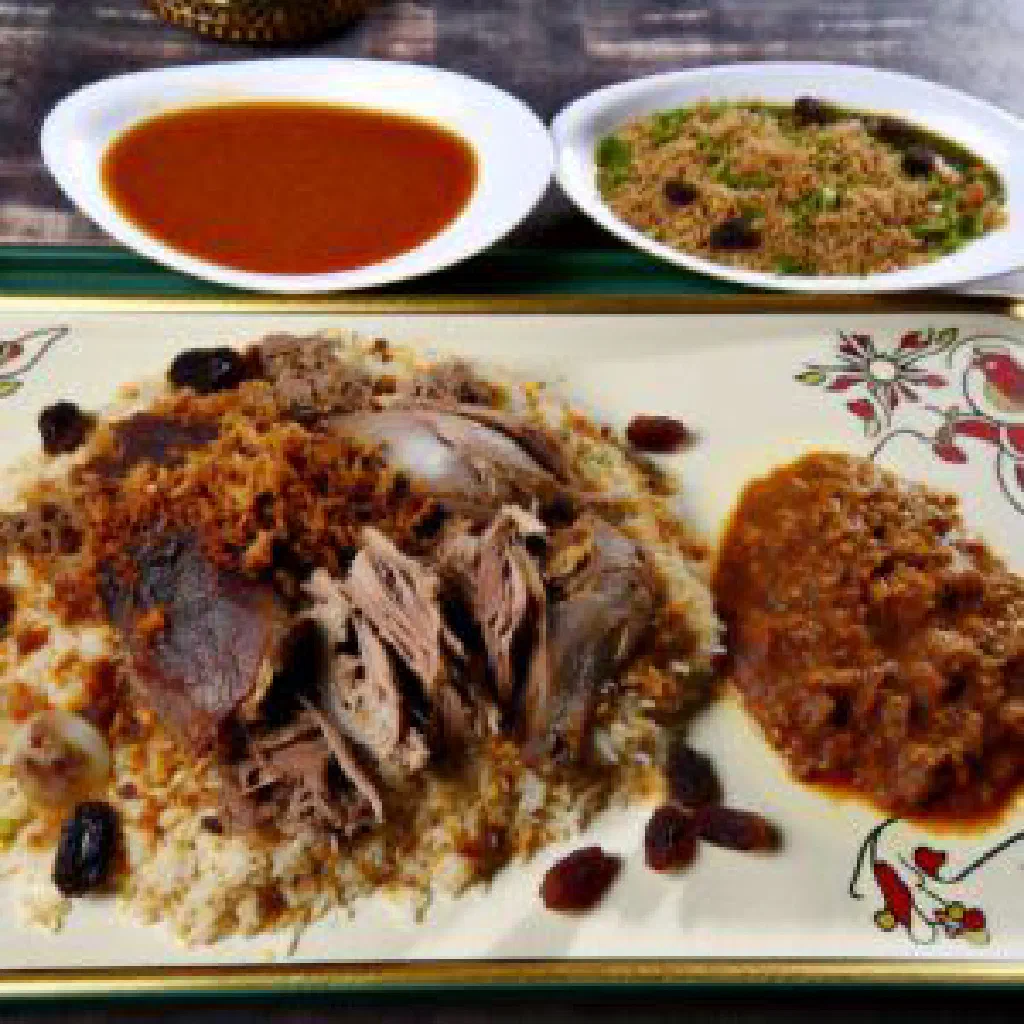
Discover Mandi, one of the great treasures of the Kuwaiti table. This generous dish brings together tender, slow-cooked meat and fragrant basmati rice perfumed with warm Arabian spices. It is the kind of food that fills a house with aroma long before anyone sits down to eat, and it carries centuries of desert hospitality in every mouthful. Serve it on a big platter, gather everyone round, and let tradition do the rest.
About Mandi
Mandi is a traditional dish from the Arabian world that is especially beloved in Kuwait. It is a hearty rice dish, built around aromatic spices and meltingly tender meat. Its origins reach back as far as the 9th century and are closely bound up with Bedouin culture, when whole meals were cooked slowly in pits dug into the desert sand. The preparation asks for time and a little devotion, but the result is a genuine feast that appeals to family and guests in equal measure.
Ingredients (serves 1–2)
- 200 g basmati rice
- 300 g chicken or lamb
- 1 large onion
- 2 cloves of garlic
- 2 tomatoes
- 1 teaspoon mandi spice blend
- 2 tablespoons vegetable oil
- Salt and pepper to taste
- 2–3 cups water
Shopping for the ingredients
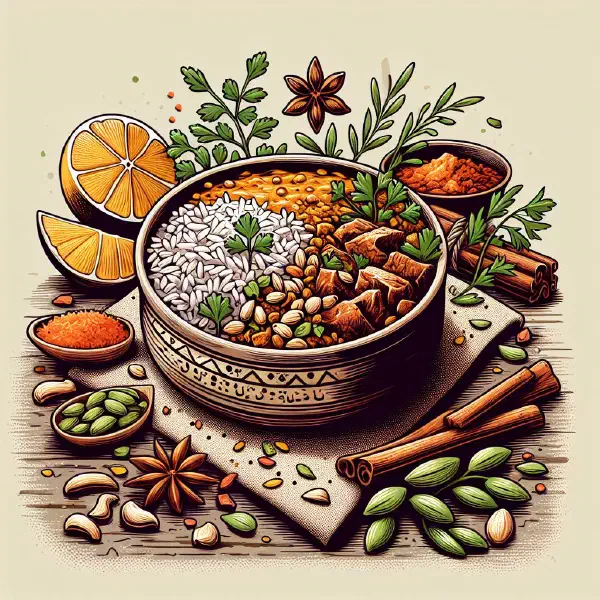
The ingredients for mandi are available in most supermarkets or at an Arabic grocery. Look out for good-quality basmati rice, as it is what gives the dish its proper texture, long, separate grains rather than a sticky mass. You can buy the mandi spice blend ready-made or mix your own, which makes the flavour noticeably more intense. Fresh herbs and whole spices lend mandi a special character and should not be left out.
Preparing the dish
Before you start cooking, it is important to rinse the rice thoroughly and let it soak. This washes away excess starch and keeps the grains light and loose once cooked. Cut the meat into pieces and marinate it with salt, pepper and the mandi spice blend so the seasoning has time to work its way in. If you are using fresh tomatoes, dice them in advance so everything is ready when the pan is hot.
Step-by-step instructions
- Heat the oil in a large pot and fry the onions and garlic until golden brown.
- Add the marinated meat and brown it well on all sides.
- Stir in the diced tomatoes and let them simmer for a few minutes.
- Pour in the water, bring to the boil, then reduce the heat and cook the meat for around 30 minutes.
- Add the soaked rice, stir well and simmer for 15–20 minutes until the rice is tender.
Gluten-free / lactose-free version
Mandi is naturally gluten-free, as long as the meat is unprocessed and the spices contain no gluten-based fillers. The dish normally uses no dairy at all, which makes it lactose-free too. Do check these points while shopping, since ready-made spice blends occasionally hide additives. Everything else, the method and the seasoning, can stay exactly as it is, and the dish loses none of its flavour.
Tips for vegans and vegetarians
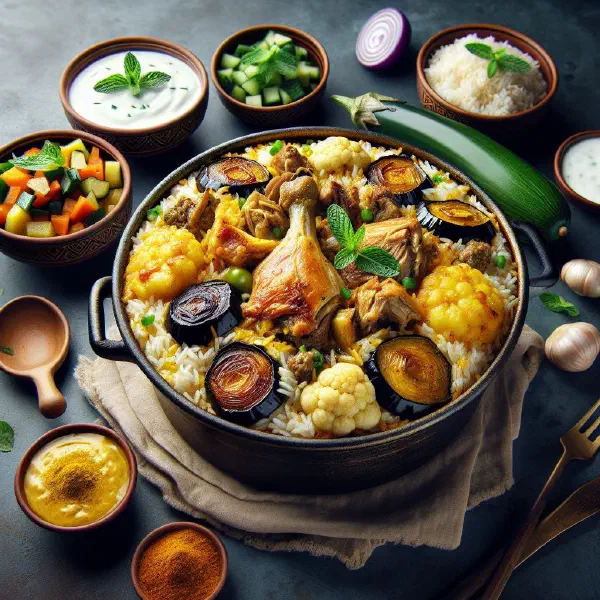
For a vegan version of mandi, replace the meat with vegetables such as carrots, aubergines or chickpeas. Adjust the spicing accordingly so the deep, savoury character of the original still comes through. The rice can also be cooked in vegetable stock rather than water, which adds another layer of flavour, much the same trick that lifts a bowl of Shorbat Adas. This variation makes a delicious option for anyone avoiding animal products.
More tips and tricks
A successful mandi begins with choosing the right ingredients and spices. Experiment with the make-up of your mandi spice blend until you hit the aroma you are after. Browning the meat properly builds a deeper, rounder flavour, so take your time over that step rather than rushing it. If you finish the dish in a steamer, the rice turns out especially fluffy and the meat stays beautifully tender.
Adapting the recipe to your taste
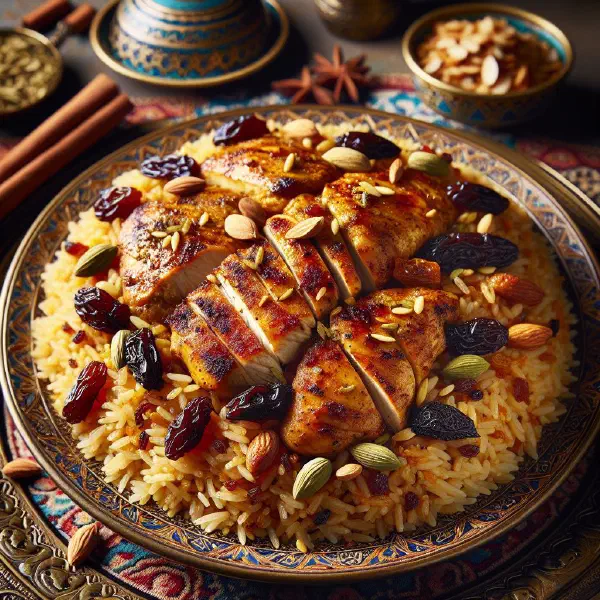
The mandi recipe is easy to shape around personal preference. You can use different cuts of meat or even fish to create a version of your own. Spices and herbs can be varied too, shifting the flavour profile in whichever direction you fancy. The more adventurous can work in dried fruit such as raisins or apricots for a gentle sweetness, a touch that also suits a rich Quzi With Nuts.
Ingredient substitutions
If certain ingredients are not to your liking, or simply not to hand, there are plenty of alternatives. Instead of lamb you can use chicken breast or turkey, both of which are milder on the palate. For a vegetarian option, quinoa in place of rice makes the dish higher in protein. Whichever route you take, adjust the cooking time to suit the swap.
Drink pairing ideas
All sorts of drinks go well with a good mandi and bring out its spicing. A fresh mint tea or an ice-cold lemonade are ideal companions, as is a small cup of Arabic Coffee once the plates are cleared. If you prefer something alcoholic, a light white wine or a fruity cocktail rounds off the meal harmoniously. Whatever you choose, the right drink makes the whole experience complete.
Serving and presentation ideas
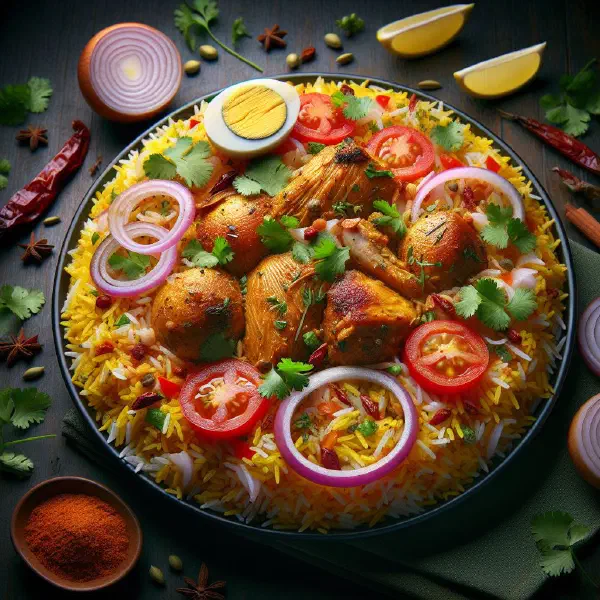
Presentation matters a great deal with mandi. Serve the dish on a large, flat platter for the authentic Arabian experience, with everyone helping themselves from the middle. Decorate the rice with fresh herbs such as mint or coriander and scatter over toasted nuts for an extra bit of crunch. An inviting spread lifts the meal and makes the food look every bit as good as it tastes.
A bit of history
Mandi has its roots in Arabian culture, particularly in Yemen, and is traditionally served at special occasions and celebrations. The Bedouins originally prepared it in the desert, cooking over an open fire in a pit lined with hot stones. The blend of spices and the method of cooking were handed down through generations and evolved differently in each country they reached. Today it is a fixture of Kuwaiti cuisine and turns up in countless variations.
More recipe ideas
Summary: Mandi
Mandi is a remarkable dish that pleases the palate and carries a deeply rooted history at the same time. With its perfect combination of spices, rice and meat, it is a feast suited to celebrations and everyday meals alike. The preparation does take a little time and effort, but the aromas that come of it, and the pleasure of sharing the platter, are worth every minute. Give this fantastic dish a try and let the variety of Arabian cooking inspire you.