National Dish Kuwait: Qouzi (Recipe)
In this article
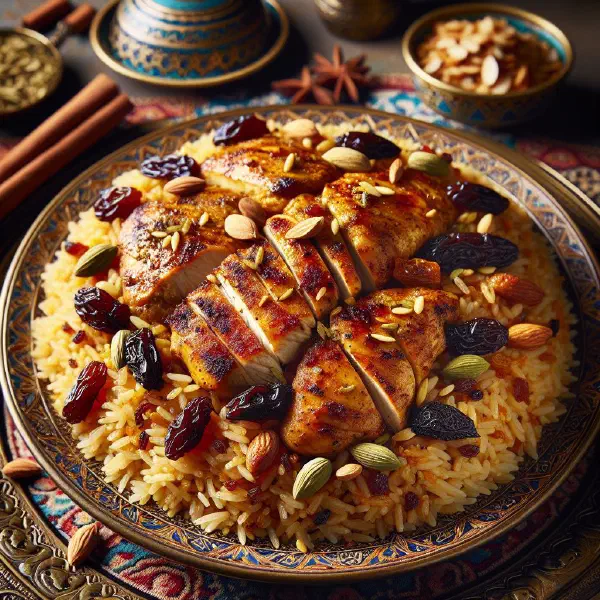
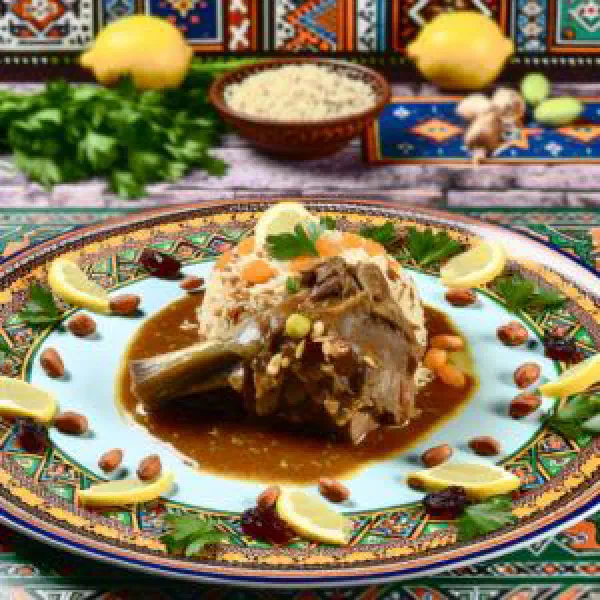
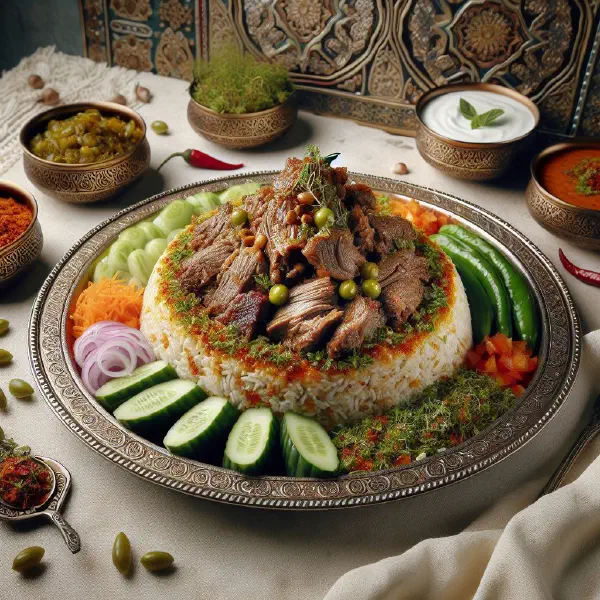
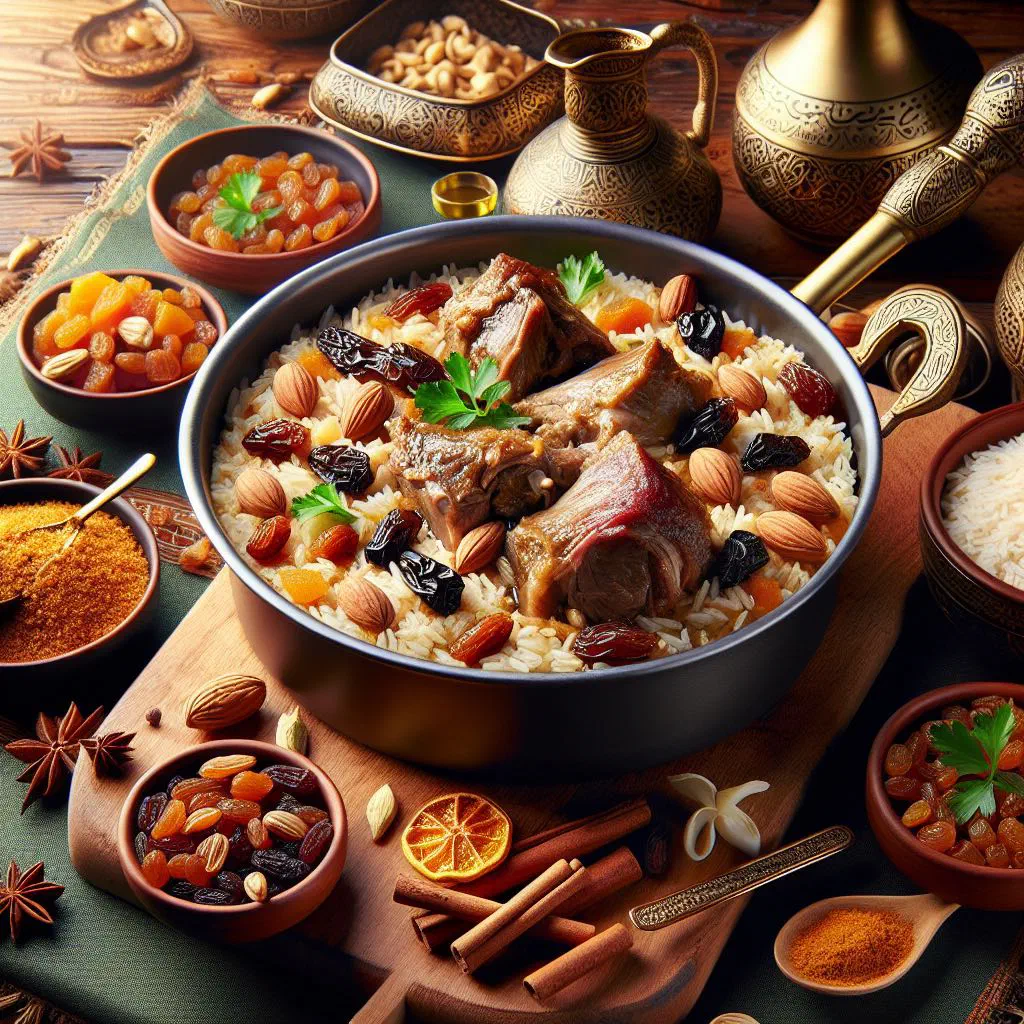
Discover Qouzi, the celebration dish at the heart of Kuwaiti cooking. Tender lamb is slow-cooked with warming spices, piled onto fragrant rice and finished with a scattering of golden almonds and sweet raisins. It is the sort of food that arrives at the table to an audible hush, generous, aromatic and unmistakably festive. Bring the warmth of a Kuwaiti family gathering into your own kitchen.
About Qouzi
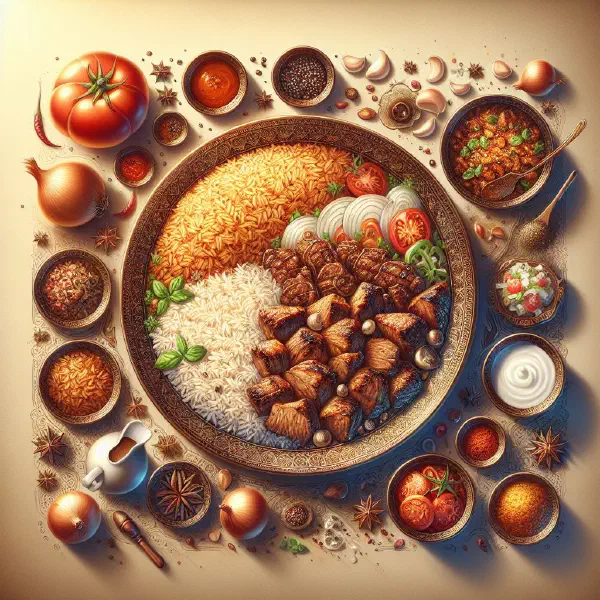
Qouzi is a traditional Kuwaiti dish that impresses as much with its striking presentation as with its flavour. It appears at festive occasions and family celebrations, bringing together tender lamb, wonderfully aromatic rice and a generous range of rich spices. The quality of the ingredients and the unhurried method of cooking make Qouzi a genuine gastronomic highlight. In Kuwaiti culture the dish is a symbol of hospitality and culinary tradition.
Ingredients (serves 1–2)
- 400 g lamb, diced
- 250 g basmati rice
- 1 onion, chopped
- 3 garlic cloves, finely chopped
- 2–3 tablespoons vegetable oil
- 2 cups vegetable or meat stock
- 1 teaspoon cumin
- 1 teaspoon cardamom
- 1 teaspoon cinnamon
- Salt and pepper to taste
- A handful of almonds and raisins, to garnish
Shopping for the ingredients
To make Qouzi you will want fresh ingredients, best sourced from a weekly market or a well-stocked supermarket. When buying the lamb, look for good-quality, nicely marbled meat. This makes all the difference to the finished flavour. The spices should be fresh too, so their aromas come through at full strength. Pay particular attention to the almonds and raisins, which round the dish off perfectly.
Preparing the dish
Before you begin cooking Qouzi, it pays to prepare everything carefully. The meat should be cut into even cubes, while the onion and garlic are finely chopped. The rice needs a thorough rinse before use to wash away excess starch, which keeps the grains fluffy rather than sticky, the same principle that underpins a good Machbous.
Step-by-step instructions
- Heat the vegetable oil in a large pan and add the chopped onion and garlic. Fry until golden brown.
- Add the lamb and brown it on all sides until it takes on a little colour.
- Stir in the spices along with salt and pepper, and fry for a further 2–3 minutes.
- Pour in the vegetable or meat stock and bring the mixture to the boil.
- Lower the heat and let the meat simmer for about 1 hour, until tender.
- Add the rinsed basmati rice, turn the heat down low and cook for another 20–25 minutes.
- Garnish with almonds and raisins and serve hot.
Gluten-free / lactose-free version
Qouzi is easy to prepare gluten-free and lactose-free, since the main ingredients are naturally free of both. Do check that the stock you use is certified gluten-free, so the dish is genuinely suitable for anyone with an intolerance. These small adjustments mean far more people can enjoy this piece of culinary heritage without giving their diet a second thought.
Tips for vegans and vegetarians
There are good ways to adapt Qouzi for vegans and vegetarians too. Instead of lamb, use hearty vegetables and tofu to achieve a comparable texture and bite. The spices and rice stay exactly the same, so the aroma of the traditional version carries through. Swap the stock for vegetable stock to keep the dish entirely plant-based, much as you would with a bowl of Shorbat Adas.
More tips and tricks
To get the very best from your Qouzi, mix the spices thoroughly so their aromas develop evenly. Experiment with additional spices such as saffron or paprika to add further dimensions of flavour. Let the dish rest for a few minutes before serving so everything settles. It is at its best alongside yoghurt or a crisp salad such as Fattoush, which balances the meal nicely.
Adapting the recipe to your taste
Qouzi takes readily to personal preference. If you are fond of particular vegetables, they slip easily into the recipe and raise the proportion of greens. The ratio of rice to meat can shift too, depending on whether you want a rice-forward plate or something meatier. Vary the spices to shape the dish around your own palate and give it a personal signature.
Ingredient substitutions
If some ingredients are hard to find, there are plenty of alternatives that work well in Qouzi. Chicken or beef can stand in for lamb without any trouble. The rice is flexible as well: try wholegrain or jasmine rice instead of basmati for a different flavour and texture. With the spices, feel free to experiment until you land on the blend that suits you.
Drink pairing ideas
For an authentic experience, traditional drinks such as mint tea or Arabic Coffee suit Qouzi beautifully. They complement the flavour of the dish and complete the picture. Fruity lemonades work equally well, as does plain still or sparkling water to keep things fresh. The choice of drink shapes the meal more than you might expect, so it is worth a moment’s thought.
Serving and presentation ideas
Presentation matters with Qouzi, and it is what turns dinner into an occasion. Serve the dish in a large bowl and garnish it with fried almonds and raisins for extra visual appeal. A scattering of fresh herbs, parsley or coriander, say, adds welcome contrasts of colour. Keep the portions generous to reflect the rich, open-handed character of the dish.
A bit of history
Qouzi has a long history and counts as a classic of Kuwaiti gastronomy. It was originally cooked by Bedouin communities and has grown steadily in popularity over the years. It is often served at special occasions such as weddings and holidays. The dish reflects culinary influences from across the Middle East and has taken root in many variations in different countries.
More recipe ideas
Summary: Qouzi
In short, Qouzi is a remarkable showcase for Kuwaiti cuisine. It brings together exquisite aromas, a wealth of ingredients and a history that makes it a highlight of any celebration. Whether for a special occasion or an ordinary weekday, this dish shows the flavours of the region at their finest. Let the magic of Kuwaiti cooking work on you, make Qouzi yourself and enjoy every mouthful.