National Dish Kuwait: Quzi with Nuts (Recipe)
In this article
Discover Quzi with Nuts, the celebrated national dish of Kuwait. Tender lamb, slow-cooked with warm spices and spooned over a bed of fragrant rice, is finished with a shower of golden roasted nuts. It is a dish built for generosity, the sort of thing that appears when there is something worth celebrating. Bring a taste of Kuwaiti hospitality to your own table.
About Quzi with Nuts
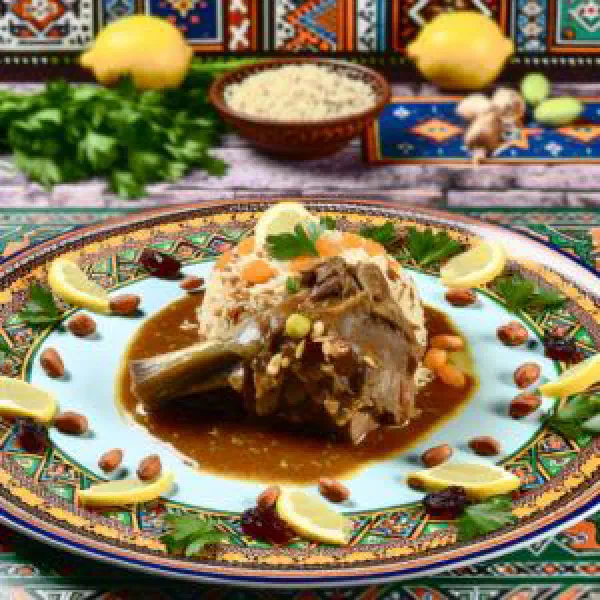
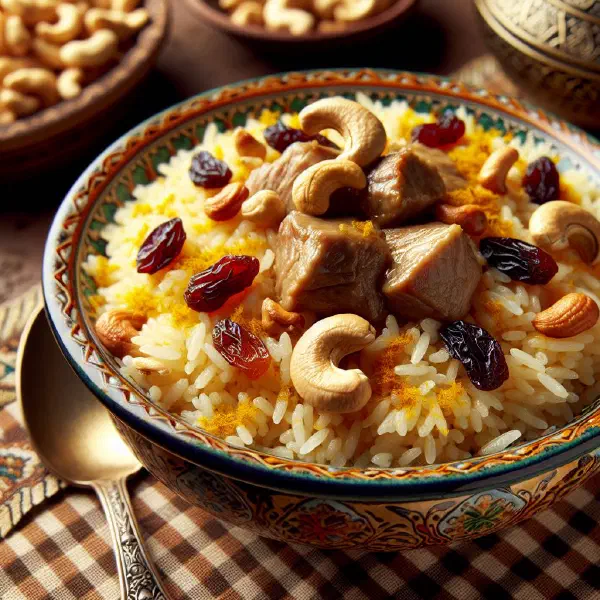
Quzi is the traditional national dish of Kuwait and counts as a genuine feast. At its heart is tender lamb, marinated in a blend of exotic spices and then cooked gently until it yields at the touch of a fork. Served on a bed of fragrant rice, quzi is a symbol of Kuwaiti hospitality and is often prepared for special occasions or family gatherings. The combination of aromatic spices and a scattering of roasted nuts makes this dish a flavour experience quite unlike any other.
Ingredients (serves 1–2)
- 500 g lamb (shoulder or leg, for example)
- 250 g long-grain rice
- 1 onion, diced
- 2 garlic cloves, chopped
- 2–3 green cardamom pods
- 1 cinnamon stick
- 1 teaspoon cumin
- Salt and pepper to taste
- 500 ml chicken stock or water
- A handful of roasted nuts (almonds or cashews, for example)
- Fresh herbs, to garnish (parsley, for example)
Shopping for the ingredients
To make quzi properly, it is worth choosing the freshest ingredients you can find for the best possible flavour. Visit a local market or a good butcher for quality lamb with plenty of marbling, as this contributes to both the tenderness and the taste of the finished dish. The spices deserve the same attention: fresh, fragrant ones will give you the fullest flavour. Look for roasted nuts prepared without added seasoning or salt, so the authentic character of the quzi comes through unmasked.
Preparing the dish
Before you start cooking, take the time to prepare everything thoroughly. Cut the lamb into evenly sized pieces so it cooks at the same rate throughout. The onion and garlic need dicing and chopping too, which helps release their aromas into the pot. Preparing the spices matters just as much: lightly crush the cardamom pods and have the cinnamon stick ready, so the spices can be worked into the dish before the stock goes in.
Step-by-step instructions
- Heat a large pot and add a little oil.
- Add the diced onion and garlic and fry until golden brown.
- Add the lamb to the pot and brown it on all sides until it takes on colour.
- Add the spices (cardamom, cinnamon, cumin) and stir well.
- Pour in the stock, season with salt and pepper to taste, and leave to simmer for about 1–1½ hours.
- Once the meat is tender, add the rice and simmer for a further 25 minutes until cooked through.
- Garnish with fresh herbs and roasted nuts before serving.
Gluten-free / lactose-free version
Quzi is naturally gluten-free and lactose-free, since it is built almost entirely from lamb and rice. Do check that any stock and spice blends you use contain no hidden gluten or lactose. If you would prefer to be certain, use a dedicated gluten-free stock or make your own vegetable stock at home. That way you can be confident the dish suits every guest at the table.
Tips for vegans and vegetarians
For a vegan or vegetarian take on quzi, swap the lamb for plant-based proteins such as tofu or seitan. Marinate these alternatives in the same spices to preserve the dish’s characteristic flavour. Instead of rice you might also use quinoa or millet as a wholesome base, the sort of grain-led approach that works beautifully in Jareesh. Adjust the quantity of stock accordingly, as plant proteins release less liquid than meat.
More tips and tricks
The most important tip for quzi is to cook the meat long enough to reach maximum tenderness. A steamer works well here, or prepare the dish in a slow cooker for meat that falls apart at the lightest touch. Refine the flavour with additional spices such as sweet paprika or nutmeg for extra depth. Do experiment with the nuts as well, a mixture of different varieties gives you more interest in both texture and taste.
Adapting the recipe to your taste
The joy of quzi is that you can shape the recipe entirely around your personal preferences. Feel free to adjust the spices or add extra vegetables such as carrots or peas. If you like more heat, a small amount of chilli or hot paprika stirred in during cooking does the job nicely. Quzi also varies well by protein: try different cuts of meat or plant-based alternatives for an altogether different result.
Ingredient substitutions
If you do not have every ingredient to hand, there are plenty of alternatives to fall back on. Chicken or beef can stand in for the lamb depending on your taste, the same flexibility you find in a good Machboos Laham. For the nuts, sunflower or pumpkin seeds give a similar texture and crunch. And instead of long-grain rice you could use basmati, or even cauliflower rice to take the dish in a low-carbohydrate direction.
Drink pairing ideas
Several drinks complement quzi beautifully. A refreshing mint tea or a classic pomegranate juice makes a perfect partner for this hearty dish, while a small cup of Arabic Coffee rounds off the meal in properly traditional style. For those who prefer alcohol, a light white wine or an aromatic beer sits well against the spiced flavours. A full, fruity red wine can also be a good choice for bringing the flavours into harmony.
Serving and presentation ideas
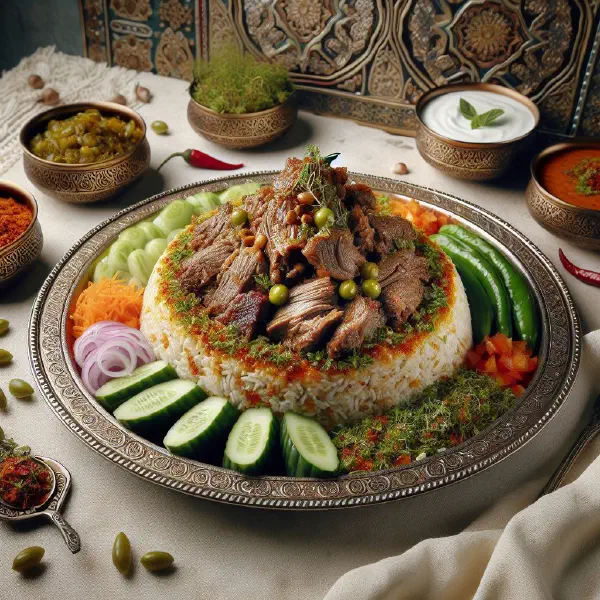
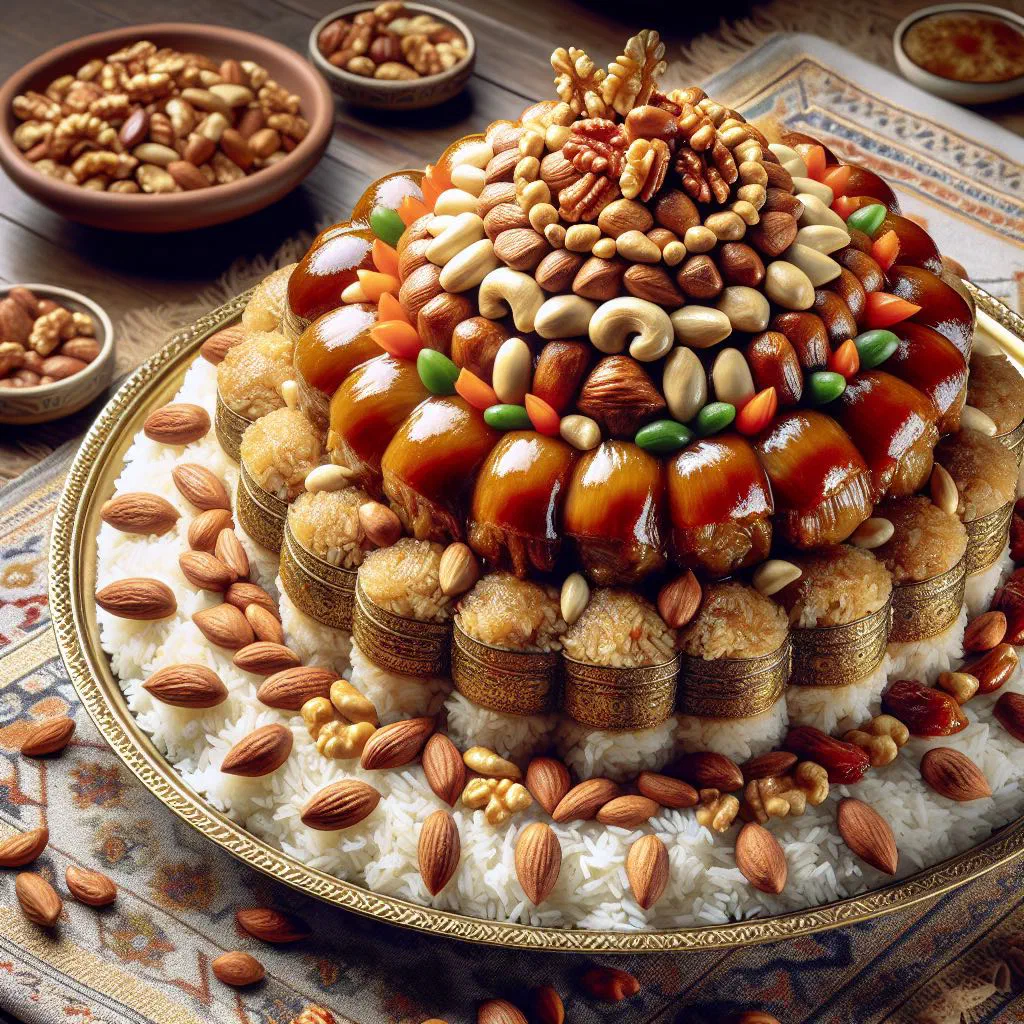
Presentation can lift the whole quzi experience considerably. Serve the dish on a large, flat platter and garnish it with fresh herbs and an artful arrangement of roasted nuts. You might also present the quzi in a traditional Kuwaiti serving pan to underline the cultural side of the dish. Alongside the main course, offer a few sides such as a colourful salad or a yoghurt dip to complete the picture, a fresh Fattoush is an excellent choice.
A bit of history
Quzi carries deep-rooted cultural significance in Kuwaiti society. It reflects the multicultural history of Kuwait, where a range of cultures and influences meet and mingle. The dish was originally prepared by Bedouins as a feast to mark special occasions, and that tradition has carried through to the present day. Quzi is still served as the main course at weddings and other celebrations, a genuine tribute to Kuwaiti cuisine.
More recipe ideas
Summary: Quzi with Nuts
Quzi is a prime example of the deliciousness of Kuwaiti cooking, offering an explosion of flavour from its spices, tender meat and fragrant rice. It is ideal for special occasions and forms an important part of Kuwaiti food culture. With the freedom to adapt the recipe to your own wishes, quzi is not merely a treat for the palate but a feast for all the senses. Let this traditional dish inspire you and enjoy a journey into the culinary variety of Kuwait.