National Dish Kuwait: Zaatar Bread (Recipe)
In this article
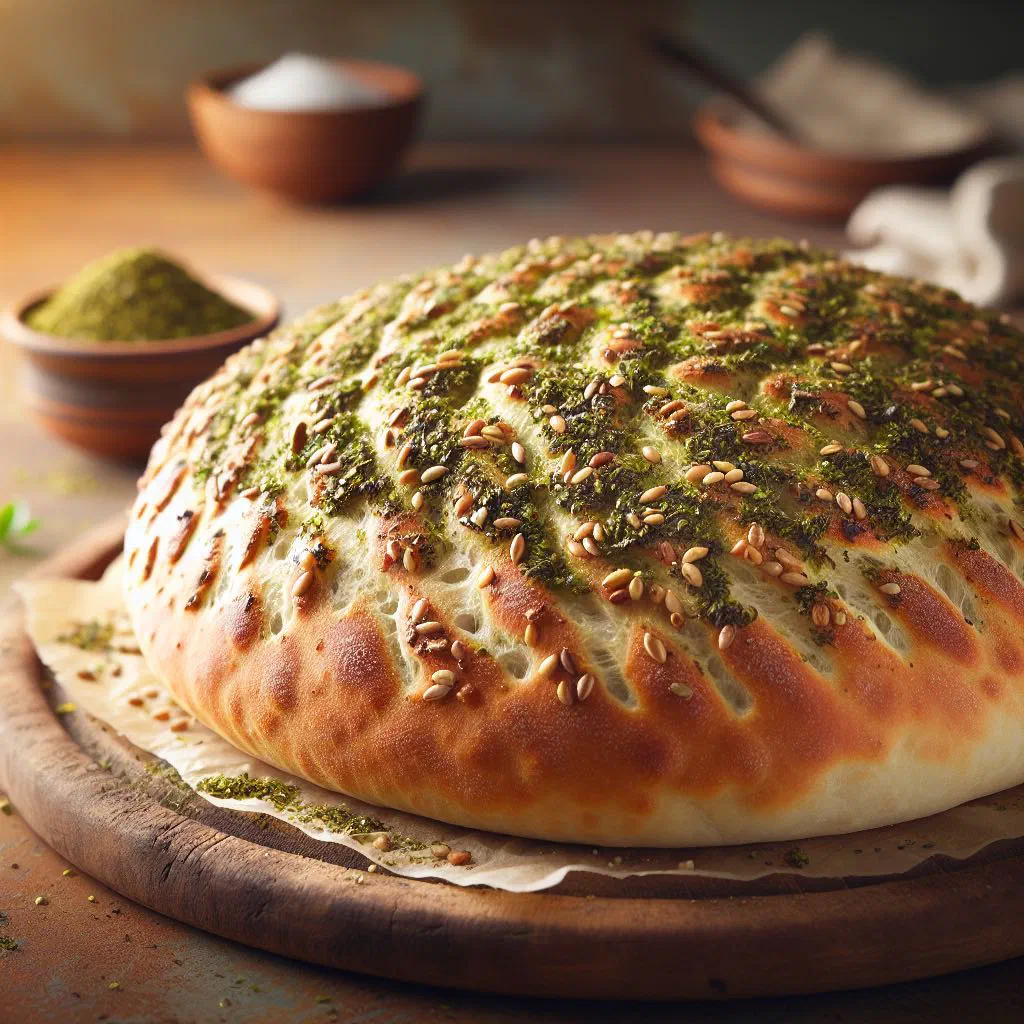
Discover Zaatar Bread, one of Kuwait’s most versatile everyday pleasures. Warm flatbread meets a fragrant blend of wild herbs, toasted sesame and fruity olive oil, a combination that works just as happily as a quick snack as it does at the centre of a shared meal. The aroma alone is enough to fill a kitchen, and the recipe is far simpler than the flavour suggests.
About Zaatar Bread
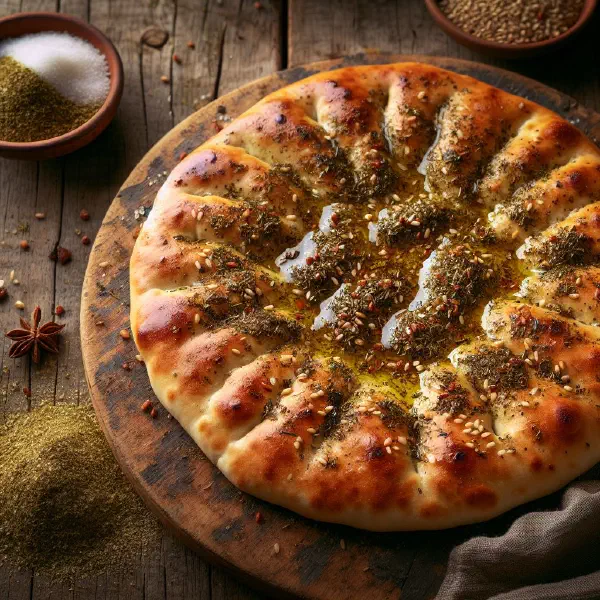
Zaatar bread is not merely a traditional dish of Kuwaiti cooking; it is a genuine culinary experience that rewards the palate. The pairing of freshly baked flatbread with the distinctive zaatar blend of herbs, sesame and olive oil makes it an ideal snack or side. In Kuwait it is a much-loved breakfast, often served with yoghurt or fresh vegetables, much like a spread of Hummus and other mezze. Made at home, it is a reliable way to please family and friends.
Ingredients (serves 1–2)
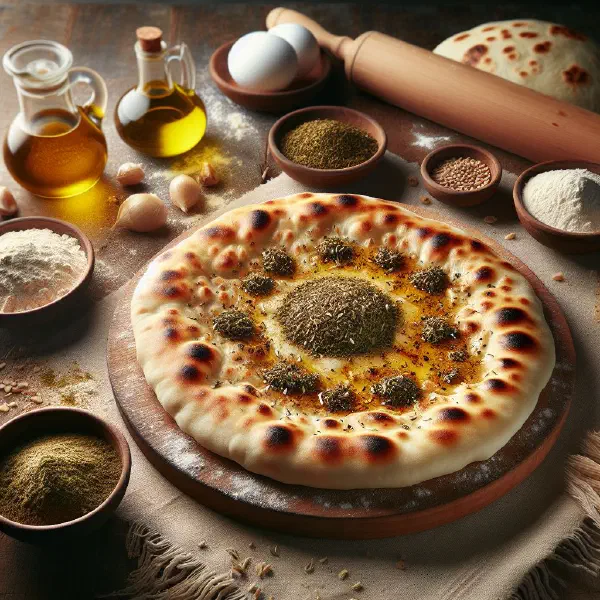
- 250 g plain flour
- 2 tablespoons water
- 1 tablespoon olive oil
- 1 teaspoon salt
- 3 tablespoons zaatar spice blend
- 1 tablespoon sesame seeds
Shopping for the ingredients
Most of the ingredients for zaatar bread are available in any well-stocked supermarket. Flour, olive oil and salt sit in the baking aisle. Zaatar itself is best sourced from a Middle Eastern grocer or ordered online. Do reach for good-quality ingredients, with so few of them, each one carries real weight in the finished loaf.
Preparing the dish
Preparation is refreshingly straightforward. Lay out all your ingredients first so the process runs smoothly from start to finish. Choosing a fresh, fragrant zaatar mix makes the biggest difference to the final flavour. It is also worth sifting the flour before baking, which helps the bread turn out especially light and airy.
Step-by-step instructions
- Combine the flour and salt in a bowl and form a well in the centre.
- Pour the olive oil and water into the well and knead everything thoroughly until you have a smooth dough.
- Place the dough in a bowl, cover with a cloth and leave to rest in a warm spot for 30 minutes.
- Divide the dough into small portions and roll each one out thinly.
- Mix the zaatar blend with a little olive oil and spread it evenly over the rolled-out dough.
- Preheat the oven to 220 °C and bake the bread for about 10 minutes, until golden brown.
Gluten-free / lactose-free version
For a gluten-free take on zaatar bread, use a gluten-free flour blend of similar consistency. Rice flour or almond flour also make delicious variations. As for lactose, the recipe needs no adjustment at all. It contains no dairy to begin with, so the bread can simply be enjoyed as it is. Nothing stands between you and a table everyone can share.
Tips for vegans and vegetarians
Zaatar bread is naturally vegan and requires no animal products whatsoever. It pairs beautifully with plant-based dips or stuffed vegetable dishes, a bowl of hummus or guacamole is a natural partner, as is a smoky Baba Ghanoush. If you fancy dressing it up, scatter a little grated vegan cheese over the zaatar mix for a heartier result.
More tips and tricks
To make your zaatar bread properly crisp, preheat a pizza stone or baking tray in the oven first. The blast of heat from below gives the base a pleasing snap. Spritzing a little water into the oven during baking creates steam and improves the crust.
Adapting the recipe to your taste
Zaatar bread adapts easily to different preferences and dietary needs. Add garlic or fresh tomatoes for a little extra depth, or swap parts of the zaatar blend for other herbs and spices to give it a personal signature. If you enjoy the softer, richer style of Gulf baking, the same dough ideas carry over nicely to Khameer Bread.
Ingredient substitutions
If you are missing something, there are plenty of ways to vary the recipe. Sesame oil in place of olive oil lends the bread a nuttier character. You can also make your own zaatar from thyme, oregano and sesame, tuning the balance exactly to your liking. Experimenting here is half the fun.
Drink pairing ideas
Zaatar bread goes wonderfully with aromatic drinks. A cool mint tea or a fresh lemon balm infusion complements the herbal notes beautifully. Yoghurt drinks such as ayran are another fine match, since their coolness balances the savoury bite of the herbs, a chilled glass of Laban does the same job. The result is a complete, satisfying spread.
Serving and presentation ideas
Presentation lifts zaatar bread considerably. Serve it on pale wooden boards or colourful plates to create an inviting table. Drizzle the bread with olive oil and garnish with fresh herbs just before serving. Keep the portions small so everyone can help themselves and enjoy the communal spirit of the meal.
A bit of history
Zaatar bread has a long tradition across the Middle East and has evolved over centuries. The zaatar herbs are prized for their flavour and for their reputed health benefits. In Kuwaiti households the bread is often a symbol of hospitality and togetherness, and it remains one of the most approachable entry points into Kuwaiti cuisine. It carries stories of gatherings and celebrations that keep culinary traditions alive.
More recipe ideas
Summary: Zaatar Bread
Zaatar bread is a splendid example of the range and richness of Kuwaiti cooking. It brings together aroma and texture in a way all its own and offers countless adaptations for different diets. Whether as a quick breakfast, a delicious side or a light main course, zaatar bread is a pleasure not to be missed. Let its simple preparation and delicious results win you over, and bring a piece of Kuwait into your own kitchen.