National Dish Kyrgyzstan: Baursak (Recipe)
In this article
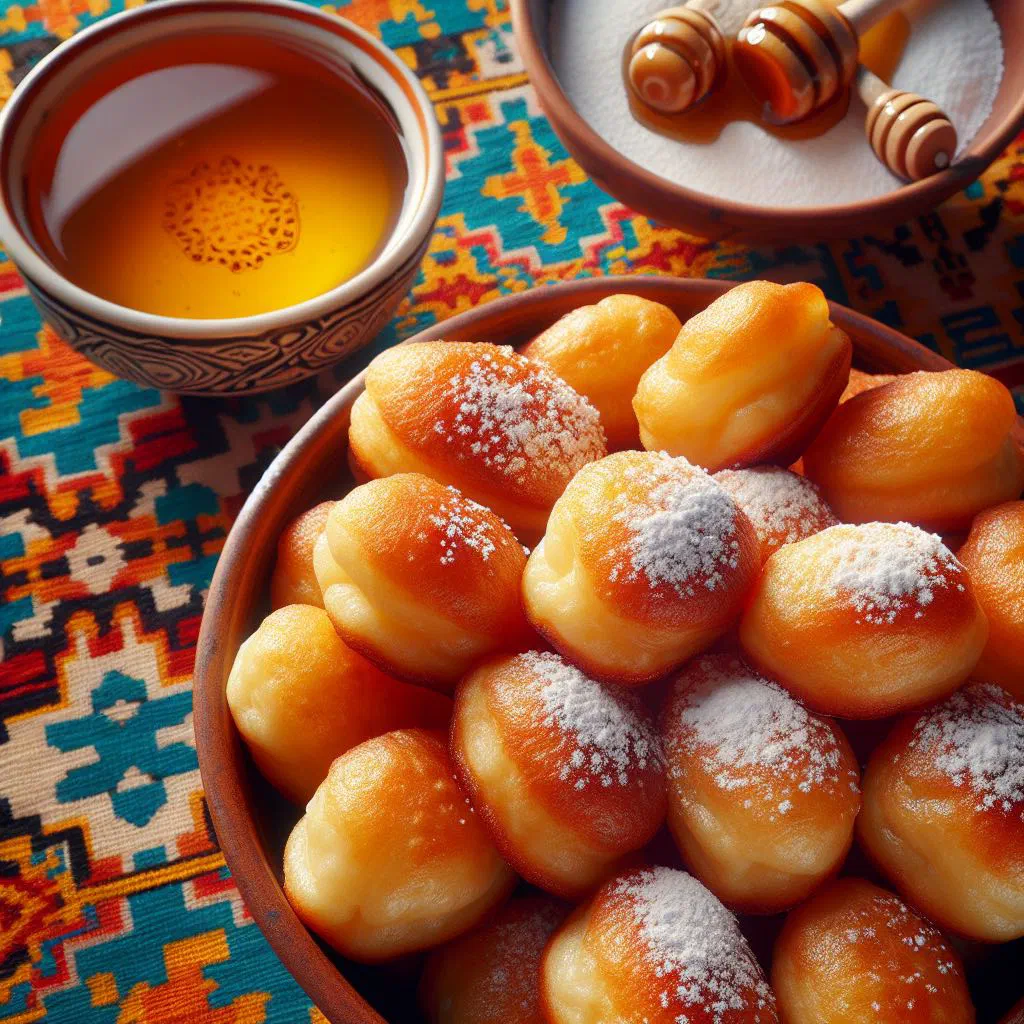
Say hello to Baursak, the golden little dough balls that carry the warmth of Kyrgyz hospitality in every bite. Crisp on the outside and wonderfully soft within, these traditional fried puffs turn up at celebrations, holidays and everyday tea tables alike. With just a handful of pantry staples and a straightforward method, they are proof that the simplest recipes are often the most joyful to make at home.
About Baursak
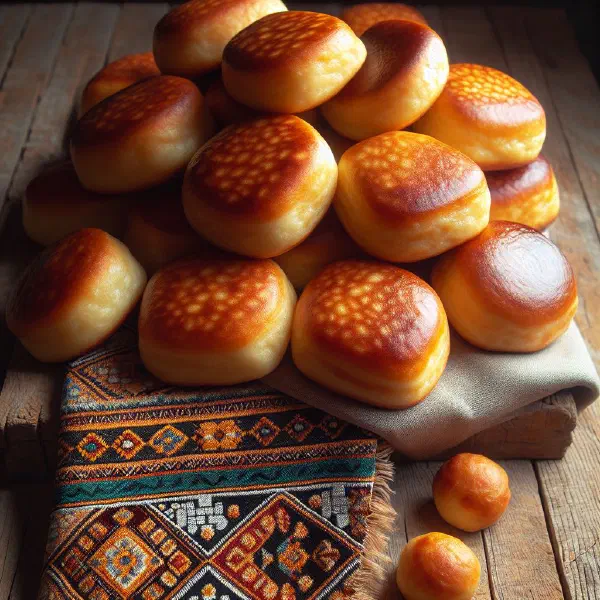
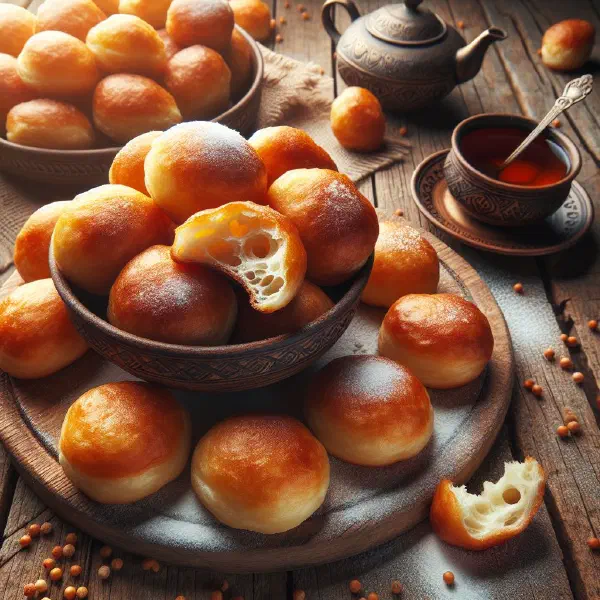
Baursak is far more than a quick snack. It is a cherished part of Kyrgyz culture. These small fried dough balls are traditionally served at special occasions and festivals, where they stand for warmth and welcome. Their crisp golden crust contrasts beautifully with the light, airy centre, which makes them a very good piece of finger food. Thanks to the short list of ingredients and the easy preparation, anyone can discover the pleasure of baking them from scratch.
Ingredients (serves 1–2)
- 300 g plain flour
- 1 teaspoon salt
- 10 g dried yeast
- 150 ml lukewarm water
- 2 tablespoons sugar
- Oil, for deep-frying
Shopping for the ingredients
The ingredients for this Baursak recipe are simple and available in most supermarkets. When buying your flour, choose a good-quality one for the best results. Make sure the dried yeast is fresh so the dough balls rise properly. If you are adding sugar, you can pick either ordinary white sugar or raw cane sugar, the latter lends the snack an appealing, faintly caramel note.
Preparing the dish
Before you begin, set up a suitable spot in your kitchen. Make sure you have all the ingredients and utensils laid out and ready to go. A large mixing bowl for the dough and a deep, wide pan for frying are essential. You can also prepare the dough balls in advance and fry them fresh just before serving, so they reach the table at their crisp, warm best.
Step-by-step instructions
- In a large bowl, combine the flour with the salt and the dried yeast.
- Add the lukewarm water and the sugar, then knead well until you have a smooth, elastic dough.
- Cover the dough and leave it to rise in a warm place for about 1 hour, until doubled in size.
- Turn the risen dough out onto a floured surface and divide it into small pieces, shaping each into a ball.
- Heat the oil in a deep pan and fry the balls until golden brown all over.
- Drain the fried baursak on kitchen paper and serve warm.
Gluten-free / lactose-free version
For a gluten-free version of Baursak, use a gluten-free flour blend, which is usually made from a mix of different flours. Check that the dried yeast is gluten-free too. To keep the frying lactose-free, use a plant oil such as sunflower or rapeseed, neither of which contains any dairy. Everything else about the preparation stays the same, so you can enjoy this treat without a second thought.
Tips for vegans and vegetarians
The basic recipe for Baursak is already vegan, as it contains no animal products at all. Vegans can follow the method exactly as written, with no changes to the ingredients needed. Just make sure the oil you fry in is purely plant-based. If you like, you can also work a few spices or herbs into the dough for an extra layer of flavour.
More tips and tricks
To achieve the perfect texture for Baursak, it is important to knead the dough thoroughly. This is what gives the balls their lightness as well as their characteristic bite. Another key tip is to bring the oil to the right temperature before frying, so the puffs colour evenly and crisp up nicely. You can even experiment with different fillings to create an interesting variation on the classic.
Adapting the recipe to your taste
The recipe for Baursak is easy to adapt to your own palate and preferences. You might use different kinds of sugar, for instance, to shift the flavour. If you prefer things less sweet, cut back on the sugar or swap in a little honey. The shape of the balls leaves plenty of room for creativity too, from petite bite-sized puffs to larger, more generous rounds, anything goes.
Ingredient substitutions
There are a few appealing alternatives worth trying with Baursak. Instead of ordinary wheat flour, you could use spelt flour, which brings a nuttier taste and a slightly different texture. You can also fry in aromatic oils to give the dish a distinctive character. Much like the golden fried dough of Boorsok or the flaky rounds of Shelpek, these swaps can make already delicious dough balls even more appealing.
Drink pairing ideas
A plate of Baursak goes well with a range of drinks that complement its gently sweet flavour. A traditional Kyrgyz tea is an excellent choice, often enriched with milk or herbs that pair beautifully with the fried puffs. Alternatively, fruit juices or smoothies add a refreshing note, while a lightly sweetened herbal tea makes an equally pleasant companion to this snack. For something more adventurous, try the tangy fermented drink Jarma.
Serving and presentation ideas
Thoughtful presentation can make Baursak feel even more special. Serve the dough balls in a traditional bowl, garnished with fresh herbs or edible flowers for an attractive touch. A table dressed with Kyrgyz elements draws the eye and sets the mood. Offering smaller portions in individual dishes is a lovely way to present the snacks with a little extra style.
A bit of history
Baursak has a long tradition in Kyrgyzstan and is regarded as a symbol of hospitality. They are often prepared for celebrations and special occasions to welcome guests. Frying the balls in hot oil is a common practice right across Central Asia, and you will find close cousins such as Chak-Chak throughout the region. As part of the cultural heritage of Kyrgyz cuisine, they are far more than a snack. They represent the warmth and traditions of the local people.
More recipe ideas
Summary: Baursak
In short, Baursak is a wonderful snack that no celebration should be without. The combination of simple preparation and unique flavour makes it a firm favourite for many. These little balls offer a truly memorable culinary experience. Use the tips and variations above to create your very own version of this traditional Kyrgyz treat.