National Dish Kyrgyzstan: Lapyoshka (Recipe)
In this article
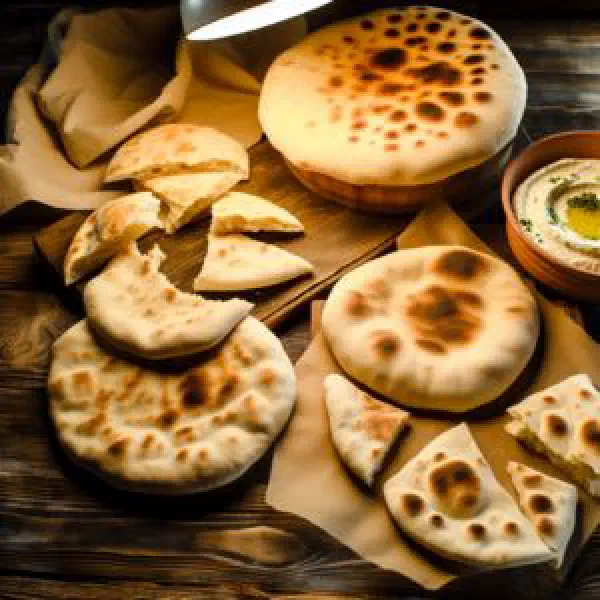
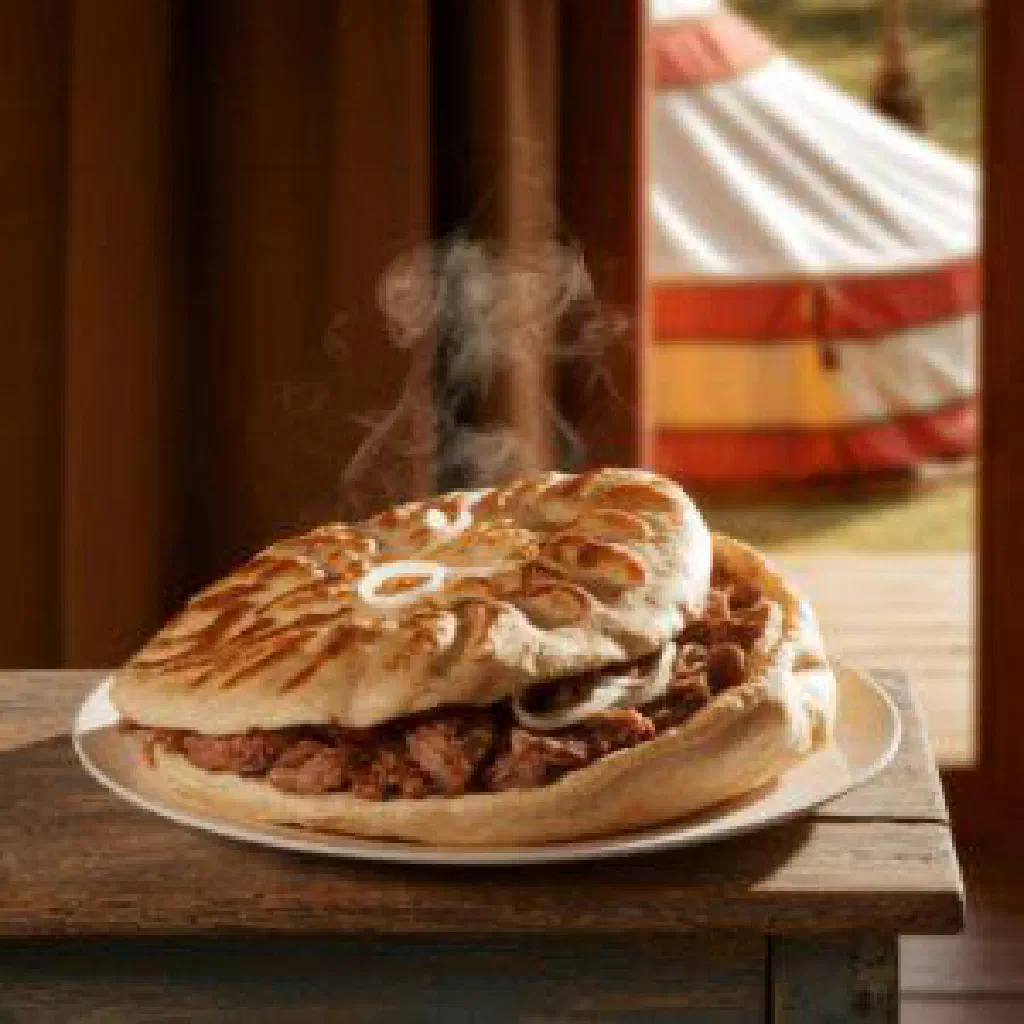
Meet Lapyoshka, the soft, pillowy flatbread that sits at the heart of the Kyrgyz table. Baked fresh in homes across Central Asia, it is warm, comforting and endlessly versatile, the perfect companion to soups, stews and grilled meats alike. With just a handful of everyday ingredients and no fussy techniques, this humble bread is a wonderful introduction to the region’s warm-hearted hospitality. Bring a taste of the mountains straight to your own kitchen.
About Lapyoshka
Lapyoshka is a traditional flatbread from Kyrgyzstan that is treasured not only at home but right across Central Asia. It is prized for its light, airy texture and its ability to accompany almost any dish. Many Kyrgyz families bake it fresh every single day and regard it as a genuine sign of hospitality. Making lapyoshka calls for neither complicated techniques nor hard-to-find ingredients, which makes it wonderfully accessible to cooks of every level.
Ingredients (serves 1–2)
- 250 g flour
- 150 ml water
- 1 tsp salt
- 1 tsp sugar
- 1 tsp yeast
- 2 tbsp oil (such as sunflower oil)
Shopping for the ingredients
When shopping for the ingredients for lapyoshka, it is worth paying attention to the quality of the flour. A wheat flour suited to bread-making is ideal, as it gives the best results. The yeast should be fresh too, to guarantee a good rise. The remaining ingredients are usually available in any supermarket and need no special consideration at the checkout.
Preparing the dish
Before you start making lapyoshka, make sure your work area is properly set up. Clean your work surface and lay out all the ingredients and utensils you will need. For the very best result, it is a good idea to sift the flour beforehand, as this helps refine the texture of the bread. A dough mixer or a large bowl is also handy for kneading the dough thoroughly.
Step-by-step instructions
- Tip the flour into a bowl and add the yeast, salt and sugar.
- Pour in the water and oil and mix everything well until a dough forms.
- Knead the dough on a floured surface for about 10 minutes, until it becomes elastic.
- Place the dough in a bowl, cover with a cloth and leave to rise in a warm spot for around 1–2 hours.
- Knead the risen dough again and divide it into small portions.
- Roll the portions out into round flatbreads.
- Bake the flatbreads in a dry pan over medium heat until golden brown on both sides.
- Arrange the finished lapyoshka on a plate and serve warm.
Gluten-free / lactose-free version
Lapyoshka can also be made in a gluten-free and lactose-free version. Instead of wheat flour, you can use a shop-bought gluten-free flour blend. Be sure to keep using the yeast, as it is essential for the rise of the dough. For a lactose-free preparation, simply swap conventional oil for plant-based alternatives to achieve a delicious result.
Tips for vegans and vegetarians
When making lapyoshka, you can keep the recipe fully vegan by avoiding all animal products. The ingredients here are already plant-based, but do take care to choose an oil that comes from purely plant sources. Adding herbs or spices to the dough lets you give the bread a signature touch of your own. Vegans can also experiment with different toppings to make the bread even more interesting.
More tips and tricks
To create the perfect lapyoshka, the dough should be neither too dry nor too wet. Keep an eye on the consistency and adjust the amount of water if needed. If the bread does not rise quite as much as you had hoped after baking, it can help to turn the pan once so the heat spreads more evenly. Always let the bread cool a little before slicing, so the crust has time to set.
Adapting the recipe to your taste
There are plenty of ways to tailor the recipe for lapyoshka to your own preferences. Experiment with different types of flour to achieve varied flavours. Try scattering sesame seeds or herbs into the dough, for example, to build up more aroma. The baking method, whether in the oven or in a pan, can also change both the flavour and the texture.
Ingredient substitutions
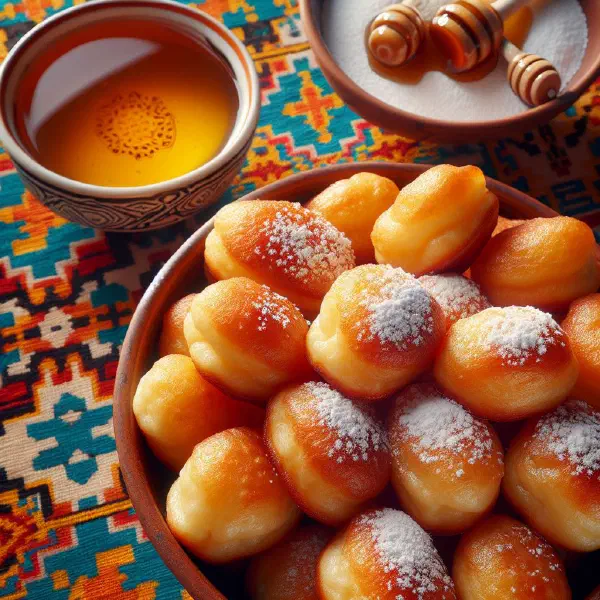
If certain ingredients for lapyoshka are not available, there are plenty of alternatives to be found. Instead of sugar, you could use honey or another sweetener to add a touch of sweetness to the dough. If you have no oil to hand, melted butter will do the job, though this rules out the vegan version. The variations are almost endless and let you adapt the recipe to your needs, much as you might with a batch of light, fried Boorsok.
Drink pairing ideas
To complete the traditional experience of lapyoshka, a few drinks pair especially well. A freshly brewed green tea harmonises beautifully with the bread and complements its flavour. Alternatively, you could serve a fruity compote or a herbal tea for a light, refreshing option. These drinks are delicious and add to the authenticity of the Central Asian meal, as does a bowl of tangy Kurut on the side.
Serving and presentation ideas
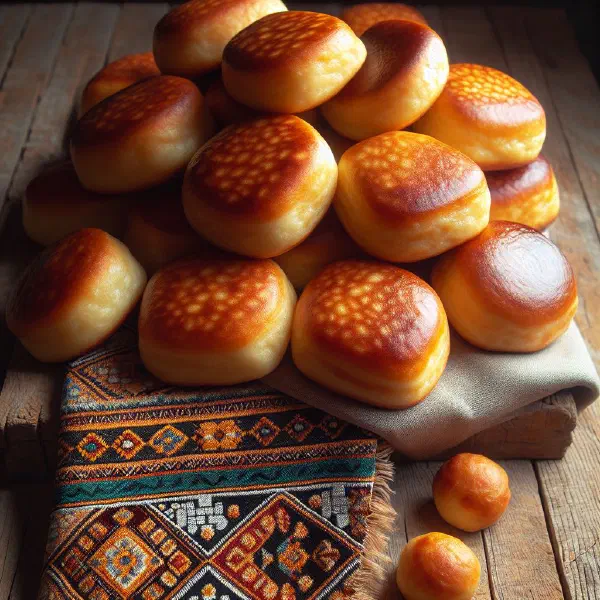
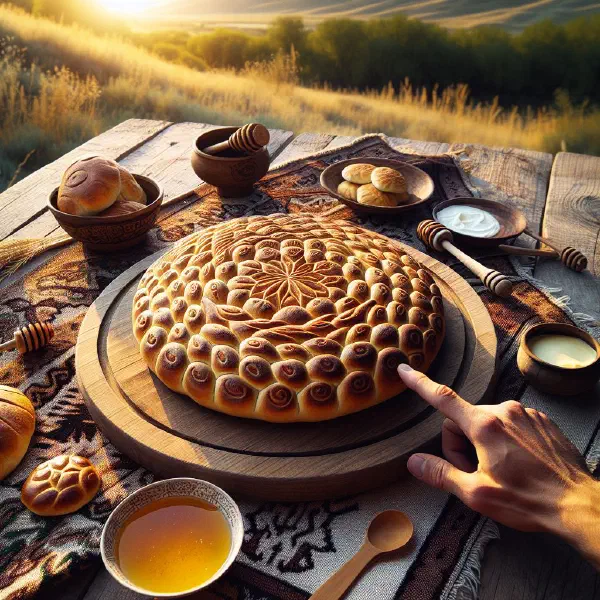
Presentation plays an important part in enjoying lapyoshka. Serve the freshly baked bread on a rustic wooden board or a traditional clay plate. For extra charm you can garnish the flatbreads with fresh herbs or wrap them in a pretty cloth to keep them warm. An appealing presentation will impress your guests and make for a memorable dining experience.
A bit of history
Lapyoshka has a long history in Kyrgyz culture and often symbolises the very centre of a meal. The bread was traditionally baked in every household and was a sign of hospitality towards visitors. It is said that sharing bread forges a bond between people and is a shared token of community. The preparation has evolved over generations, with each family keeping its own method and recipe, something that gives the bread its unique character and makes it a staple of Kyrgyz cuisine.
More recipe ideas
Summary: Lapyoshka
In short, lapyoshka is a simple yet delicious flatbread that plays an important role in Kyrgyz cooking. It is versatile enough to serve alongside all manner of dishes, all the while reflecting the warm-hearted culture and hospitality of the region. The bread brings people together and creates special moments at the table. Let this tradition inspire you and give it a try yourself.