National Dish Laos: Khao Niew (Recipe)
In this article
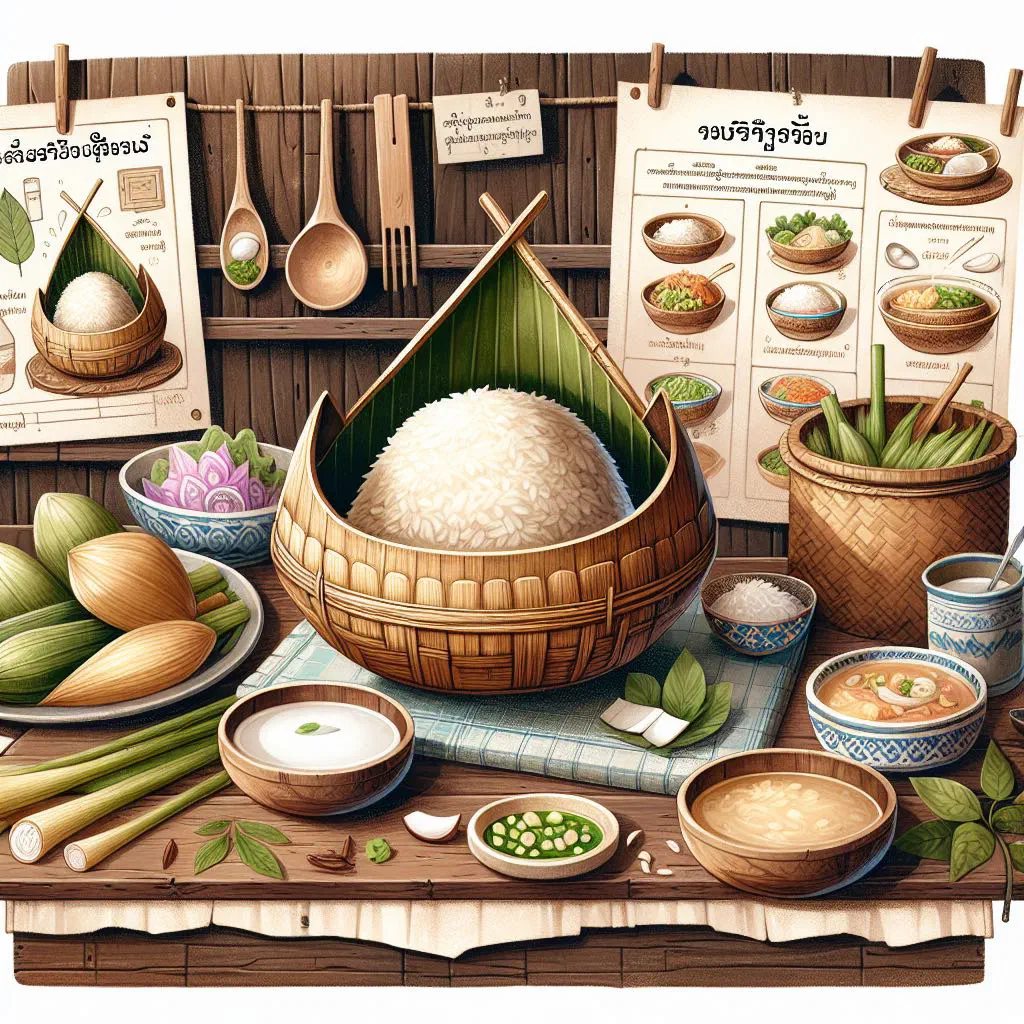
Discover Khao Niew, the sticky rice that sits at the very heart of Laotian cooking. More than just a side dish, this steamed glutinous rice is eaten by hand at almost every meal, rolled into small balls and used to scoop up spicy dips and grilled meats. With its soft, pleasantly chewy texture and gentle fragrance, it is the perfect companion to bold Lao flavours. Bring a genuine taste of Laos into your own kitchen with this simple, satisfying staple.
About Khao Niew
Khao Niew is far more than a dish; it is a cornerstone of Laotian culture and tradition. This much-loved sticky rice is served in Laos both as a main and as a side, and it pairs beautifully with an enormous range of foods. Its distinctive texture, soft, tender and very glutinous, is exactly what makes it so beloved. Unlike ordinary rice, sticky rice is steamed rather than boiled, which gives it its unique flavour and satisfyingly chewy consistency.
Ingredients (serves 1–2)
- 250g glutinous (sticky) rice
- 500ml water
- Optional: sesame seeds or grated coconut, to sprinkle
Shopping for the ingredients
To make Khao Niew you will need a few special ingredients that are easiest to find in an Asian supermarket. Glutinous rice, also known as sweet rice, is the star of the dish. Look out for good-quality sticky rice that is suited to steaming, as this makes all the difference to the finished texture.
Preparing the dish
Good preparation is the key to Khao Niew’s perfect consistency. The sticky rice must be soaked in water for at least 4 hours before cooking so that it reaches exactly the right texture. Planning ahead to soak the rice in good time is well worth it, as it makes the whole process much smoother. This soaking step can be the difference between a flawless result and one that falls short.
Step-by-step instructions
- Rinse the sticky rice in a sieve until the water runs clear.
- Soak the rice for at least 4 hours, or ideally overnight.
- Drain the soaked rice and transfer it to a steaming basket.
- Bring the water to the boil in a pan and set the steaming basket on top.
- Steam for around 30 minutes, until the rice is soft and sticky all the way through.
- Once steamed, tip the Khao Niew onto a plate and sprinkle with sesame seeds or coconut if you like.
Gluten-free / lactose-free version
Khao Niew is naturally gluten-free and lactose-free, which makes it a wonderful option for anyone with intolerances. Just be sure that any sides or sauces you serve alongside are also free from these ingredients. The easiest way to guarantee this is to choose fresh, unprocessed ingredients. That way you can enjoy the full flavour of Khao Niew without worrying about allergens.
Tips for vegans and vegetarians
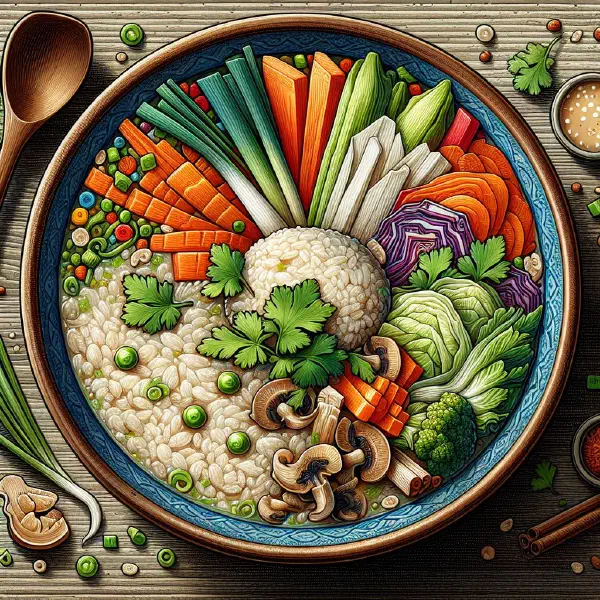
Khao Niew is easily made vegan or vegetarian simply by choosing plant-based accompaniments. Vegetables such as carrots, cauliflower and broccoli make excellent sides. Tofu or other plant proteins can also be served alongside to make the meal more substantial. Experiment with different seasonings to vary the flavour and develop your own vegan or vegetarian creations.
More tips and tricks
To get the very best from your Khao Niew, try pairing it with a range of different sides. Traditional Laotian dishes such as Laab or Som Tam go wonderfully with it. Combining delicious flavours and contrasting textures can lift the whole eating experience.
Adapting the recipe to your taste
Making Khao Niew is remarkably flexible, so you can adjust the recipe however you please. Add extra seasonings, for instance, or swap certain sides for your favourite ingredients. Whether sweet or savoury, Khao Niew is perfect for tailoring to different tastes. Experimenting with new ingredients can be great fun and often leads to surprising results.
Ingredient substitutions
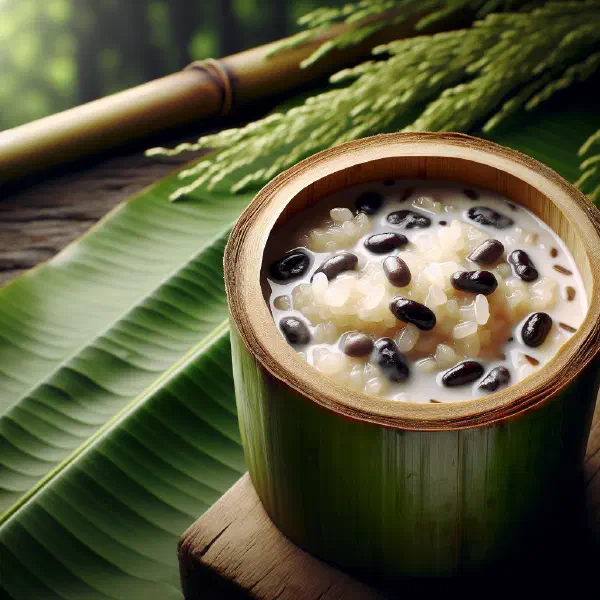
If you cannot find particular ingredients, there is always a good alternative to hand. In place of sesame seeds, for example, you could use pine nuts or roasted nuts. And instead of coconut, a dusting of cocoa powder can add an interesting note. Be bold and try out creative swaps. The same adventurous spirit works well with sweet sticky rice treats like Khao Lam.
Drink pairing ideas
Khao Niew pairs beautifully with a variety of drinks. Green tea is a popular choice in Asian cooking and complements the flavour of the rice perfectly. For an alcohol-free option, a fresh fruit smoothie or a glass of lemonade works nicely too. If you would rather have something alcoholic, try a light Asian lager or a crisp, fresh wine.
Serving and presentation ideas
Presentation can really lift the whole Khao Niew experience. Serve the sticky rice in an attractive bowl or on a large plate and garnish it with fresh herbs. You could also arrange a selection of sides neatly around it to create a colourful, inviting spread.
A bit of history
Khao Niew has a long and important history in Laos, where it has been a staple food for centuries. The ways of preparing it have evolved over time, while the dish’s place in Laotian culture has been lovingly preserved. In many households, Khao Niew is served in the traditional way at festive occasions and shared meals. This custom shows just how central food is to social bonds and cultural identity, and it remains a proud emblem of Laotian cuisine.
More recipe ideas
Summary: Khao Niew
Khao Niew is a hearty and versatile dish that holds a treasured place in Laotian cooking. Its simple preparation and the freedom to adapt it however you like make it a firm favourite with everyone who loves Asian food. From the perfect chew of the Khao Niew itself to the delicious sides and its history, this dish has so much to offer. Let it inspire you and bring a little piece of Laos into your own kitchen.