National Dish Laos: Khao Piak Sen (Recipe)
In this article
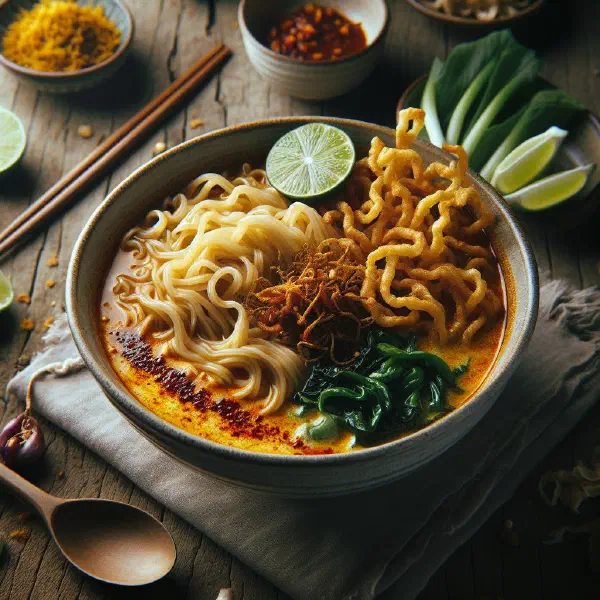
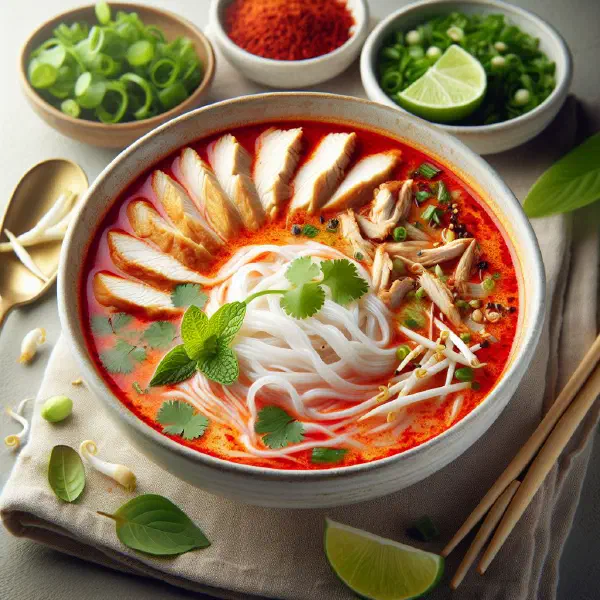
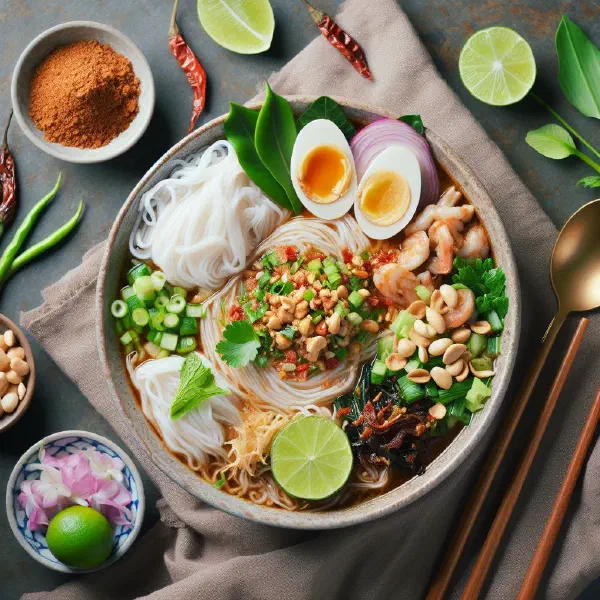
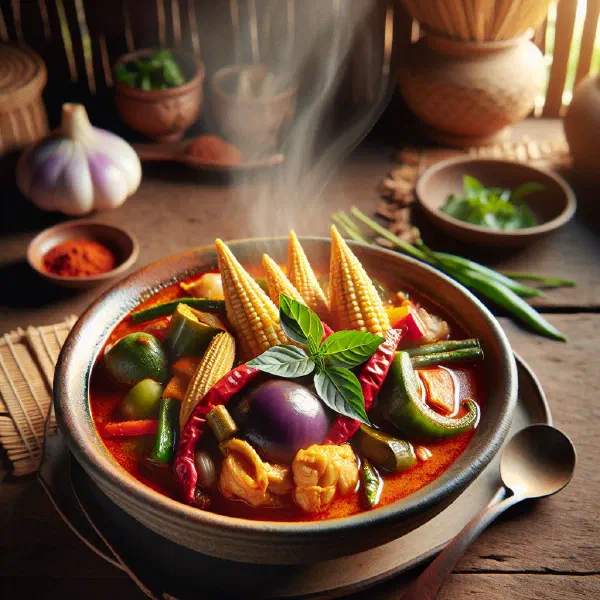
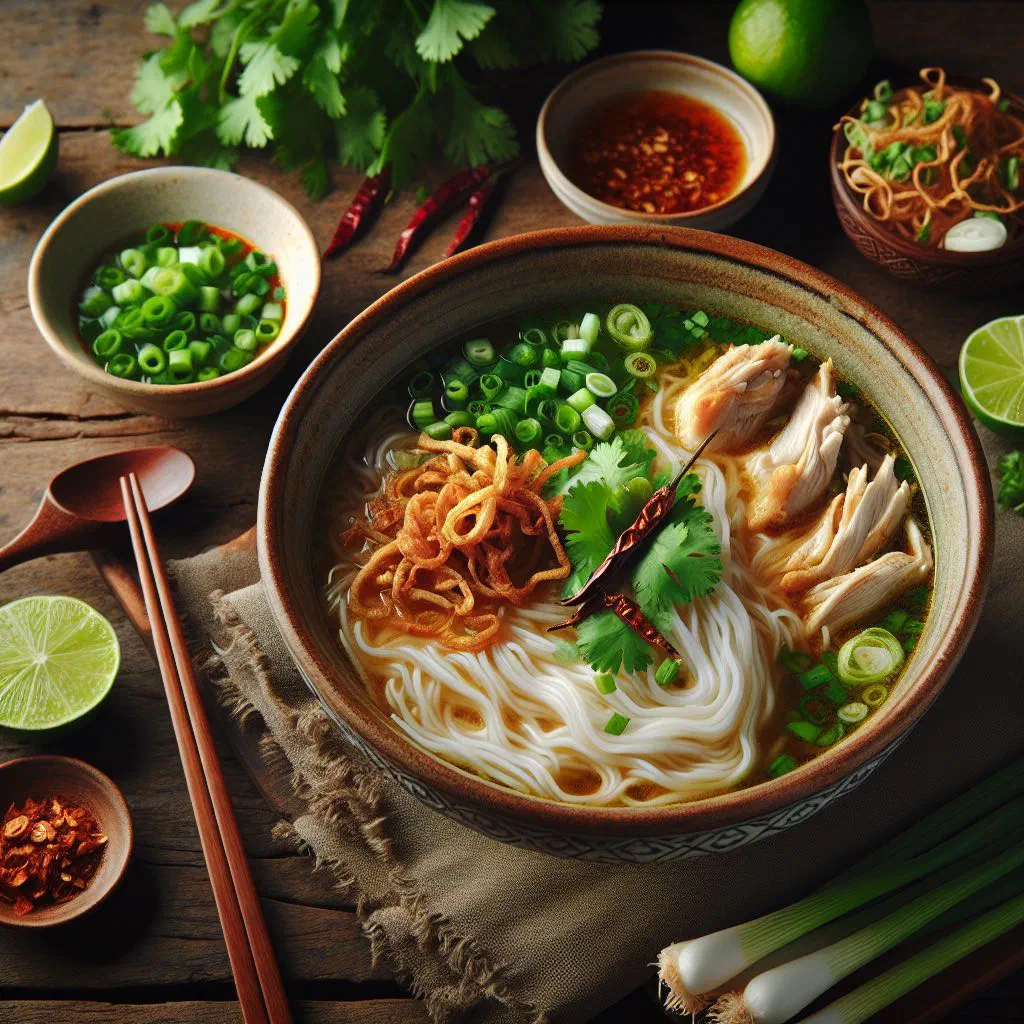
Discover Khao Piak Sen, one of Laos’s most comforting classics. This warming bowl brings together soft, chewy rice noodles and a fragrant, deeply savoury broth infused with lemongrass, ginger and kaffir lime. Finished with fresh herbs and a squeeze of lime, it is the kind of soul-soothing food that turns a cool evening into something cosy. Bring the gentle warmth of a Laotian kitchen straight to your own table.
About Khao Piak Sen
Khao Piak Sen is a classic Laotian dish woven deep into the heart of the country’s culture. Often regarded as one of Laos’s national dishes, it brings together soft rice noodles, a rich and aromatic broth, and a spread of accompaniments such as herbs, vegetables and often chicken or pork. What makes Khao Piak Sen so special is its warming, comforting quality, much like a bowl of soul food on a chilly day or in any moment when you are longing for a little homeliness.
Ingredients (serves 1–2)
- 150 g rice noodles
- 200 g chicken breast or pork shoulder
- 1 litre chicken or pork stock
- 2 cloves garlic
- 1 piece of ginger (about 2 cm)
- 1 stalk lemongrass
- 1–2 kaffir lime leaves
- Fish sauce and salt, to taste
- A few sprigs of fresh coriander
- Spring onions
- Chilli flakes (optional)
- 1 lime
- Bean sprouts (optional)
Shopping for the ingredients
Look for fresh, good-quality ingredients, especially when it comes to the herbs and the chicken breast. Asian grocery stores are ideal places to track down rice noodles, lemongrass, kaffir lime leaves and fish sauce. For the most authentic flavour, choose ingredients that come directly from Laos or its neighbouring countries wherever you can.
Preparing the dish
Set out all your ingredients before you start cooking. Garlic, ginger and lemongrass should be finely chopped or crushed. Wash the fresh herbs thoroughly and slice the meat thinly so it cooks through quickly.
Step-by-step instructions
- Soak the rice noodles according to the packet instructions.
- Bring the stock to the boil in a pan together with the ginger, garlic, lemongrass and kaffir lime leaves.
- Add the thinly sliced meat to the broth and let it simmer until cooked through.
- Season the broth with fish sauce and salt to your taste.
- Add the soaked noodles to the boiling broth and cook until soft.
- Serve the dish hot, garnished with chopped coriander, spring onions, chilli flakes and a squeeze of lime juice.
Gluten-free / lactose-free version
Khao Piak Sen is naturally lactose-free, and it is easy to make gluten-free too. Rice noodles contain no gluten, so all you need to watch is the seasoning, choose a fish sauce and any sauces that are certified gluten-free, as some blends can contain hidden wheat.
Tips for vegans and vegetarians
Khao Piak Sen adapts beautifully to a vegan or vegetarian diet. Swap the meat for tofu or a medley of mushrooms, and use a well-seasoned vegetable stock in place of the chicken or pork broth. Replace the fish sauce with a splash of light soy sauce or a vegan fish-sauce alternative for that same savoury depth. Fresh herbs and vegetables are key to keeping the flavour bright and authentic.
More tips and tricks
To make the broth even richer and more aromatic, simmer bones or extra pieces of meat along with it and lift them out before serving. A longer, gentle simmer draws out more depth and intensifies the savoury notes. If you have time, letting the aromatics steep in the broth for a while before adding the noodles rewards you with a fuller flavour.
Adapting the recipe to your taste
Add extra vegetables such as mushrooms or pak choi to boost the nourishment and colour of the bowl. Dial the heat up or down with more or fewer chilli flakes to suit your palate, and feel free to experiment with different proteins like tofu or prawns. Much like a hearty Khao Poon, this dish welcomes gentle tweaks to make it your own.
Ingredient substitutions
If you cannot find kaffir lime leaves, the grated zest of a lime makes a fine stand-in. Dried herbs can be used in place of fresh ones, though fresh herbs are recommended for a more authentic taste. In the same spirit of flexible cooking that shapes a bowl of Khao Phun, let what is in season and in your cupboard guide your choices.
Drink pairing ideas
A cool beer pairs wonderfully with Khao Piak Sen, especially a light lager that refreshes without overpowering the broth. For non-alcoholic options, green tea or a fresh lime juice both complement the fragrant, savoury flavours nicely and round off the meal.
Serving and presentation ideas
Present Khao Piak Sen in a deep bowl, with the herbs and other garnishes scattered artfully over the top. A few edible flower petals can lend the dish a touch of elegance. Small side plates of extra lime wedges, chilli and fresh herbs let each guest tailor their own bowl, a lovely way to share the flavours of Laotian cuisine, much as you would with a plate of Larb.
A bit of history
The story of Khao Piak Sen is rooted deep in Laotian food culture. The tradition of serving rice noodles in a hearty broth reaches back centuries and reflects the central place of rice in Asian cooking. Over the generations the recipe has evolved and given rise to countless regional variations, standing today as a fine example of Laotian cuisine alongside beloved dishes such as Khao Soi.
More recipe ideas
Summary: Khao Piak Sen
Khao Piak Sen is a soothing, hearty dish from the Laotian kitchen, perfect for cosy evenings in. With its rich broth and silky rice noodles, it offers not just comfort but also endless room to adapt it to your own taste. This warming bowl brings a little of Laos to your table, give it a try, and let it become a favourite.