National Dish Laos: Ping Sin (Recipe)

In this article
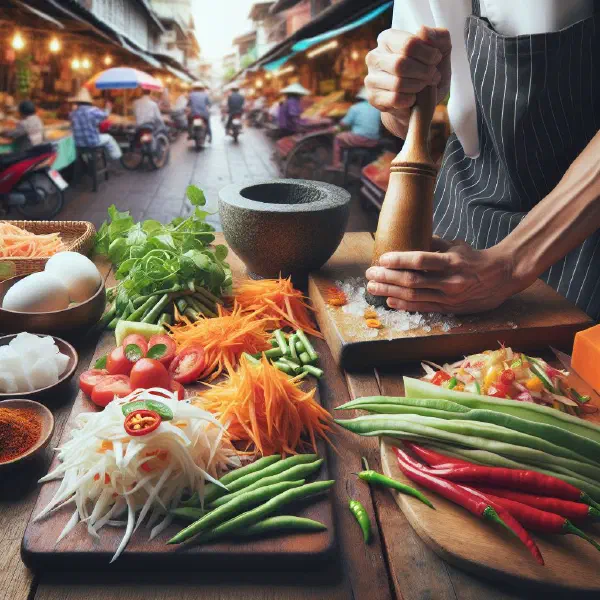
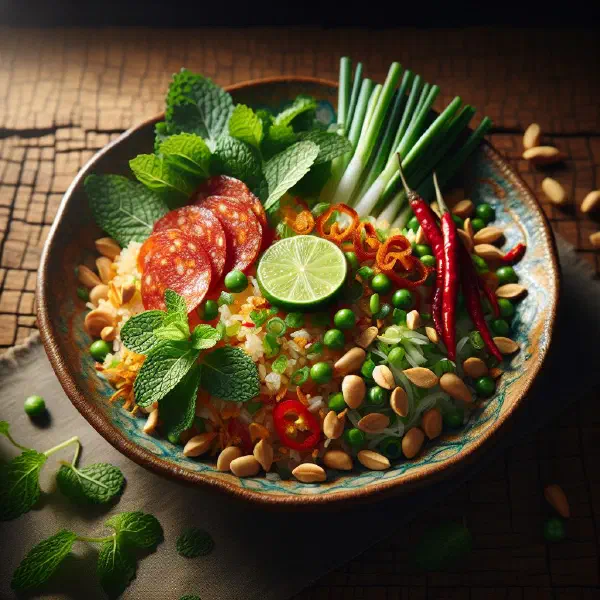
Meet Ping Sin, the national dish of Laos and a firm favourite at family gatherings across the country. Tender strips of pork are steeped in a fragrant marinade of fish sauce, garlic and lime, then grilled over hot coals until smoky and caramelised. Served with fresh herbs, crisp lettuce and a tangy dipping sauce, it is food made for sharing, a true symbol of Lao hospitality and warmth. Bring the aromas of a Lao roadside grill straight to your own kitchen.
About Ping Sin
Ping Sin is the national dish of Laos and holds a special place in Lao cuisine. It is grilled pork, steeped in an aromatic marinade built from a generous mix of delicious herbs and spices. The dish is most often enjoyed in company, and it is a symbol of hospitality and generosity. Preparing Ping Sin offers more than a treat for the palate but a feast for the senses, thanks to its colours and its inviting aromas.
Ingredients (serves 1–2)
- 300 g pork, thinly sliced
- 2 tablespoons fish sauce
- 1 tablespoon soy sauce
- 2 tablespoons lemon juice
- 1 tablespoon sugar
- 1 clove garlic, crushed
- 1 teaspoon ground black pepper
- Fresh herbs (e.g. coriander, mint)
- Lettuce leaves, to serve
Shopping for the ingredients
If you want to make Ping Sin, it is important to choose fresh, good-quality ingredients. Pay particular attention to the pork, which should be as lean and fresh as possible to guarantee the best flavour. Asian supermarkets are often the easiest place to find the spices and seasonings you need. The freshest herbs, such as coriander and mint, are just as crucial to the full, rounded aroma of this dish.
Preparing the dish
Preparing Ping Sin is the key to a truly flavourful result. Start by cutting the pork into even pieces so it cooks uniformly. Mix all the marinade ingredients together in a bowl and add the meat. Leave it to marinate for at least one hour, better still overnight, so the flavours can penetrate properly. Make sure the marinade is thoroughly worked into the meat, as this is what makes all the difference to the taste.
Step-by-step instructions
- Thread the marinated pork onto skewers.
- Preheat the grill and cook the meat evenly until it is cooked through.
- Meanwhile, prepare the fresh herbs and lettuce leaves.
- Stir together the dipping sauce from fish sauce, lemon juice and sugar.
- Arrange the grilled meat and serve with the dipping sauce.
Gluten-free / lactose-free version
Ping Sin is naturally free from gluten and lactose, as long as you use gluten-free soy sauce. The other ingredients are usually gluten-free and lactose-free too. Take care to make the dipping sauce with a gluten-free version of the fish sauce. That way the dish stays authentic and suitable for people with intolerances.
Tips for vegans and vegetarians
For a vegan or vegetarian version of Ping Sin, you can swap the pork for grilled tofu or vegetable skewers. Marinate the tofu exactly as you would the meat to build up the flavours. Mushrooms also make an excellent, meaty alternative. These options have the added benefit of being kinder to the environment while still tasting delicious.
More tips and tricks
To enhance the flavour of Ping Sin, try experimenting with different spices and herbs. Adding a little ginger or chilli, for example, gives the dish more of a kick. A pretty garnish of fresh herbs just before serving lifts the taste and gives the dish an appealing look. A similar smoky charm runs through Lao Ping Kai if grilled meats are your thing.
Adapting the recipe to your taste
Ping Sin is versatile and easy to adapt to personal preference. If you like it milder, simply reduce the amount of chilli or pepper. For an extra Asian flair, you can also add lemongrass. If you enjoy playing with textures and aromas, feel free to fold more vegetables into the marinade. A creative twist will make the dish even more interesting.
Ingredient substitutions
Should you find yourself without some of the typical ingredients, there are a few handy alternatives. Instead of fish sauce, you can use soy sauce or a coconut-based fish sauce to enrich the flavour, much like the punchy seasonings behind a good Larb. If you are short of sugar, honey or maple syrup can serve as a sweetener. These swaps ensure the dish loses none of its taste.
Drink pairing ideas
A delicious plate of Ping Sin goes best with refreshing drinks. A cold Asian beer or a fruity cocktail with pineapple or lime complements the dish beautifully. A green tea can also round off the flavours of the meal nicely. Experiment with different combinations to find the perfect drink to match.
Serving and presentation ideas
An attractive presentation of Ping Sin can greatly enhance the eating experience. Serve the dish on a lovely plate or in a bowl, garnished with fresh herbs and perhaps a decorative touch such as lime slices. Arranging it on a wooden board can also lend a rustic, authentic impression. Remember that we eat with our eyes first, and that a beautiful presentation can help lift the whole experience, a plate of sticky Khao Niew on the side never goes amiss.
A bit of history
Ping Sin is part of the cultural identity of Laos. The use of fresh herbs and regional ingredients reflects the close bond between the people and their environment. The dish is often prepared for family celebrations and festivals, fostering community and togetherness. This traditional way of cooking has been kept alive across generations and remains an important aspect of Lao food culture, sitting proudly within Lao cuisine.
More recipe ideas
Summary: Ping Sin
In summary, Ping Sin is a distinctive dish that embodies the traditions of Lao cuisine. With its combination of marinated pork, refreshing herbs and a spicy dipping sauce, it offers an incomparable taste experience. It is simple to prepare and can be wonderfully adapted to personal preference. With the right tips and tricks, your Ping Sin will turn into a real feast that appeals to family and friends alike.