National Dish Latvia: Augļu Zupa (Recipe)
In this article
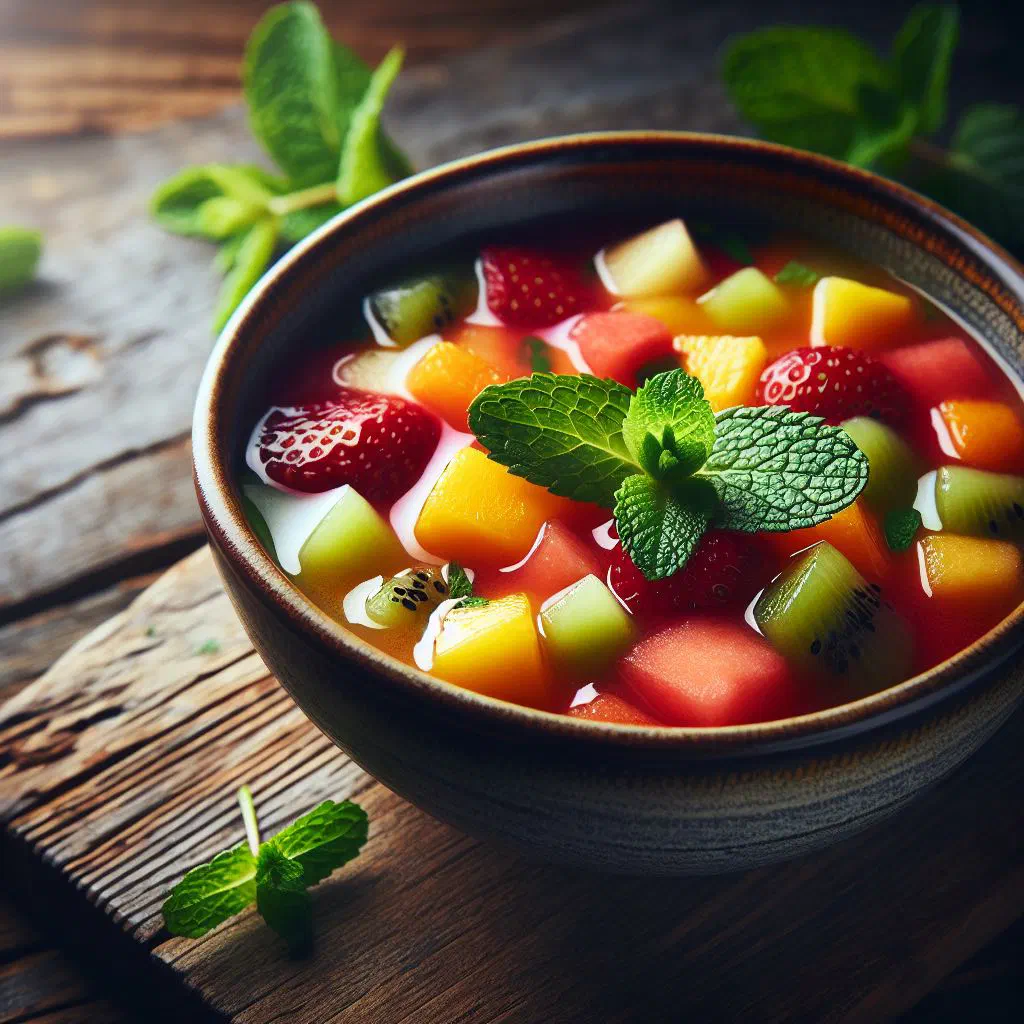
Meet Augļu zupa, Latvia’s wonderfully refreshing fruit soup. Somewhere between a dessert and a light snack, it brings together whatever the season has to offer, crisp apples, ripe berries, sweet peaches, folded through cool, creamy yoghurt. It is one of those recipes that asks almost nothing of the cook yet tastes like summer in a bowl, and it has been cheering up Latvian tables for generations.
About Augļu Zupa
Augļu zupa is a traditional Latvian fruit soup that is as refreshing as it is versatile. It can be served as a dessert or as a light snack, and it is the perfect way to show off Latvia’s seasonal fruit at its very best. The combination of regional produce and a generous swirl of yoghurt creates a mixture that is bound to please the palate. Let us look more closely at how it is made and where it comes from.
Ingredients (serves 1–2)
- 200 g fresh fruit (apples, berries or peaches, for example)
- 250 ml yoghurt (plain, or whichever kind you prefer)
- 2–3 tablespoons sugar, to taste
- 1 teaspoon vanilla sugar
- A squeeze of lemon juice
- Fresh mint, to garnish (optional)
Shopping for the ingredients
If you want to make augļu zupa properly, go looking for the freshest seasonal fruit you can find. Local markets and organic shops are the best places to track down good-quality produce. The choice of fruit really matters here, because it determines the flavour of the finished soup more than anything else. Take the same care over the yoghurt and the sugar, since good ingredients are what make this simple dish sing.
Preparing the dish
Getting ready to make augļu zupa could hardly be simpler. Begin by washing your chosen fruit and cutting it into small pieces. The more colourful your selection, the more attractive the finished soup will look. Choose the fruit according to ripeness so that its natural sweetness and freshness carry through into the dish. Within just a few steps, all the ingredients can be brought together into something genuinely delicious.
Step-by-step instructions
- Put the prepared fruit into a bowl.
- Add the yoghurt, sugar and vanilla sugar, then stir well.
- Add a squeeze of lemon juice to sharpen the freshness.
- Mix everything thoroughly until the texture is smooth and creamy.
- Spoon the soup into bowls and garnish with fresh mint if you like.
Gluten-free / lactose-free version
Augļu zupa suits people with particular dietary needs without any real effort. To keep the dish gluten-free, simply check that every ingredient you use is gluten-free, which they almost always are. For a lactose-free version, reach for lactose-free yoghurt or a plant-based alternative. Either way the pleasure remains completely intact, with no compromise on dietary requirements.
Tips for vegans and vegetarians
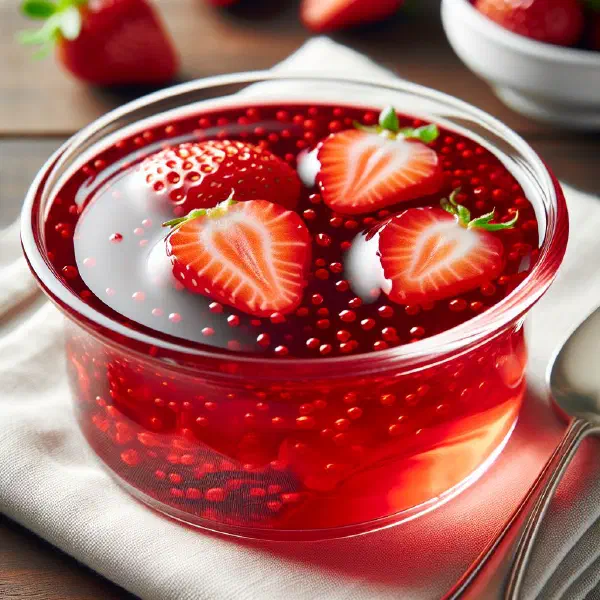
For a vegan version of augļu zupa, swap the yoghurt for a plant-based alternative made from soya, coconut or almonds. These give you the same creaminess and can be chosen according to taste. Use a natural sweetener such as agave syrup or date syrup to bring out the freshness of the fruit. The result stays every bit as good, and entirely plant-based, much like the fruity Zemeņu Ķīselis that many Latvian households make in berry season.
More tips and tricks
To get the most out of your augļu zupa, a few extra pointers help. Experiment with different fruit varieties to discover new flavour combinations. Adding spices such as cinnamon or nutmeg can lend interesting accents. And for a light, foamy texture, blitz the mixture in a blender before serving, a creative twist that makes the soup feel altogether more luxurious.
Adapting the recipe to your taste
The scope for adapting augļu zupa is almost limitless. Feel free to swap the fruit around according to the season and what is available. Some people prefer a sweeter version and add more sugar, while others want the natural flavour of the fruit to take centre stage. Remember to tailor the recipe to your own taste preferences so it turns out exactly the way you want it.
Ingredient substitutions
When particular ingredients are not to hand, alternatives are always worth considering. Honey, for instance, can replace sugar for a more natural sweetness. Frozen fruit works perfectly well in place of fresh, which is especially handy during the colder months, the same trick that keeps a bowl of Salda Zupa on the table all year round. Substitutions like these keep the recipe flexible and accessible.
Drink pairing ideas
Any number of drinks will round off a bowl of augļu zupa nicely. A freshly pressed fruit juice or a herbal tea with mint makes a refreshing companion, as does a glass of the traditional Dzērveņu Uzlējums. For something with a little more sparkle, a light spritz-style aperitif also works well. Combining flavours in this way creates a pleasing harmony with the freshness of the soup.
Serving and presentation ideas
Presentation can make a real difference to how much you enjoy your augļu zupa. Serve it in handsome, deep bowls and garnish with fresh mint leaves or edible flowers for a touch of elegance. Small pieces of fruit scattered over the top are another way to please the eye. An appealing presentation not only builds anticipation but turns the dish into the highlight of the table.
A bit of history
Augļu zupa has its origins in Latvian tradition, though it has long since become popular well beyond the country’s borders. It was originally made during the summer months to make the most of the fresh harvest. The soup is a symbol of Latvian hospitality and is often served at family gatherings and festivals, alongside classics of Latvian cuisine such as Rupjmaize. With a little history on the table, your meal gains cultural depth as well as flavour.
More recipe ideas
Summary: Augļu Zupa
In short, augļu zupa is a delicious, refreshing fruit soup that is both healthy and genuinely easy to make. It is a lovely way to enjoy the flavours of Latvia. With such a range of ingredients and adaptations to play with, you can give your creativity free rein. Give this recipe a try and bring a little Latvian culture into your own kitchen.