National Dish Latvia: Jāņu kūka (Recipe)
In this article
Discover Jāņu kūka, the sweet centrepiece of Latvia’s midsummer celebrations. This gently spiced bake brings together creamy quark and plump raisins in a cake that is as homely as it is festive. Warm with cinnamon and easy to prepare ahead, it is the kind of dessert that fills a kitchen with anticipation long before the first slice is cut. Bring a taste of a Latvian summer night to your own table.
About Jāņu kūka
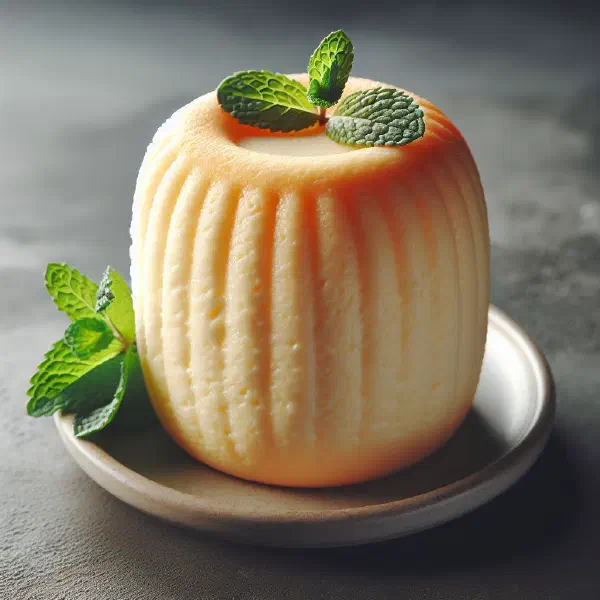
Jāņu kūka is a true delicacy from Latvia, served above all at the traditional midsummer festivities known as Jāņi. The cake rests on a harmonious pairing of quark and raisins, two ingredients whose flavours complement one another beautifully. During the celebration it brings joy and indulgence to the table and is a symbol of Latvia’s rich culinary tradition. It is usually made in advance, so that the finished cake can be offered to guests as a sweet highlight of the evening.
Ingredients (serves 1–2)
- 250 g quark (curd cheese)
- 100 g sugar
- 1 egg
- 80 g raisins
- 100 g plain flour
- 1 tsp baking powder
- 1 pinch of salt
- 1 tsp ground cinnamon
Shopping for the ingredients
When shopping for the ingredients for Jāņu kūka, it pays to look closely at quality. Fresh quark is decisive for a moist, full-flavoured cake, while the raisins contribute a natural sweetness that needs no help from extra sugar. Choose organic, high-quality produce wherever you can to get the best possible result. Staples such as cinnamon and baking powder are worth keeping in the cupboard, so you can bake a Jāņu kūka on the spur of the moment.
Preparing the dish
Preparation for Jāņu kūka begins with careful measuring. Weigh out all the dry ingredients, flour, sugar and baking powder, so the proportions are exactly right. The raisins should be soaked in warm water beforehand, which keeps them juicy through the baking. Make sure every ingredient is at room temperature, as this helps the batter come together evenly and without lumps.
Step-by-step instructions
- Preheat the oven to 180 °C and grease a small cake tin.
- In a large bowl, mix the quark, sugar and egg thoroughly.
- Fold the soaked raisins into the quark mixture.
- In a separate bowl, combine the flour, baking powder, cinnamon and salt.
- Carefully fold the dry ingredients into the quark mixture.
- Pour the finished batter into the prepared tin and smooth the surface.
- Bake in the preheated oven for about 30–40 minutes, until golden brown.
- Leave the cake to cool and decorate as you like.
Gluten-free / lactose-free version
Jāņu kūka adapts easily for anyone with a gluten or lactose intolerance. Use gluten-free flour in place of plain flour and reach for lactose-free quark or a plant-based quark alternative. These small adjustments make sure the cake is not only delicious but genuinely enjoyable for everyone at the table. Do a trial bake the first time round, so you can be confident the texture and flavour still hold up.
Tips for vegans and vegetarians
For a vegan version of Jāņu kūka, the egg can be replaced with apple purée or ground linseed. Both bind the batter much as an egg does and keep the crumb pleasantly moist. It is worth checking the raisins too, as some varieties are coated with additional glazing agents. Vegans can also use plant-based alternatives to quark, made from nuts or soya, which fold into the batter without any trouble.
More tips and tricks
A few simple tricks will improve the baking of a Jāņu kūka. Before serving, finish the cake with a light sugar glaze or a dusting of icing sugar to lift its appearance. To deepen the flavour further, marinate the raisins in rum or fruit juice rather than plain water. It also helps to cover the cake a few hours before serving, giving the aromas time to develop fully, the same patience that rewards a Medus Pirags.
Adapting the recipe to your taste
The recipe for Jāņu kūka is remarkably flexible and easy to tailor to personal preference. Extra ingredients such as nuts or chocolate can be added to give the cake a character of its own. The sweetness is just as easy to adjust, simply by changing the quantity of sugar. Experiment with different spices such as nutmeg or ginger to create entirely new flavour combinations.
Ingredient substitutions
If you would rather do without certain ingredients, or are simply looking for alternatives, there are plenty of options. Almond flour or coconut flour both work well as gluten-free substitutes for plain flour. The raisins can equally be replaced with dried apricots or dates, which take the cake in a fresh direction. Try different sweeteners such as honey or agave syrup to shape the result around your own taste, a trick that works nicely in a Zemenu Pirags too.
Drink pairing ideas
A number of drinks pair wonderfully with a slice of Jāņu kūka. A fresh herbal tea with mint or lemon balm complements the sweet notes of the cake perfectly. A cup of black tea or a glass of fruit juice also harmonises well with the dish. Let your imagination roam and match the cake with whatever drink pleases your palate most.
Serving and presentation ideas
Presentation matters with any dish, and all the more so at a celebration. Arrange the Jāņu kūka on a decorative serving plate and garnish it with fresh fruit. A little fresh mint or a scattering of edible flowers gives the dessert an elegant, creative touch. A pretty cake dome is a fine way to present the bake with style and to give guests the sense that something special is on offer.
A bit of history
Jāņu kūka has its roots deep in Latvian culture and has grown over time into a firmly established speciality. Traditionally the cake is baked for the midsummer celebrations, one of the most important festivals in the Latvian year, when it appears alongside classics such as Janu Siers and a loaf of dark Rupjmaize. The ingredients carry historical meaning tied to the country’s agricultural past: quark and raisins symbolise the abundance and fertility of the land, which makes the cake a perfect festive dish within Latvian cuisine.
More recipe ideas
Summary: Jāņu kūka
Jāņu kūka is more than just a cake; it stands for the cultural identity of Latvia and brings a note of joy to every midsummer celebration. Its simple yet delicious composition of quark and raisins has made it a much-loved speciality across the country. Jāņu kūka is certain to be a hit with your guests. Let Latvian baking inspire you and treat yourself to this singular pleasure.