National Dish Latvia: Karbonāde ar Sieru (Recipe)
In this article
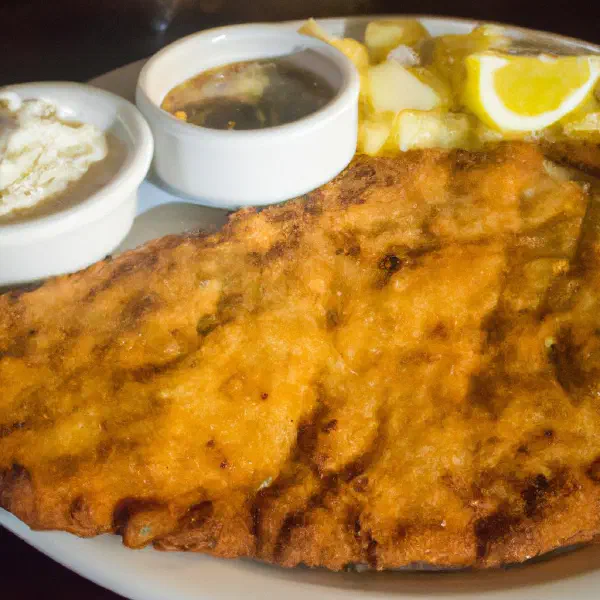
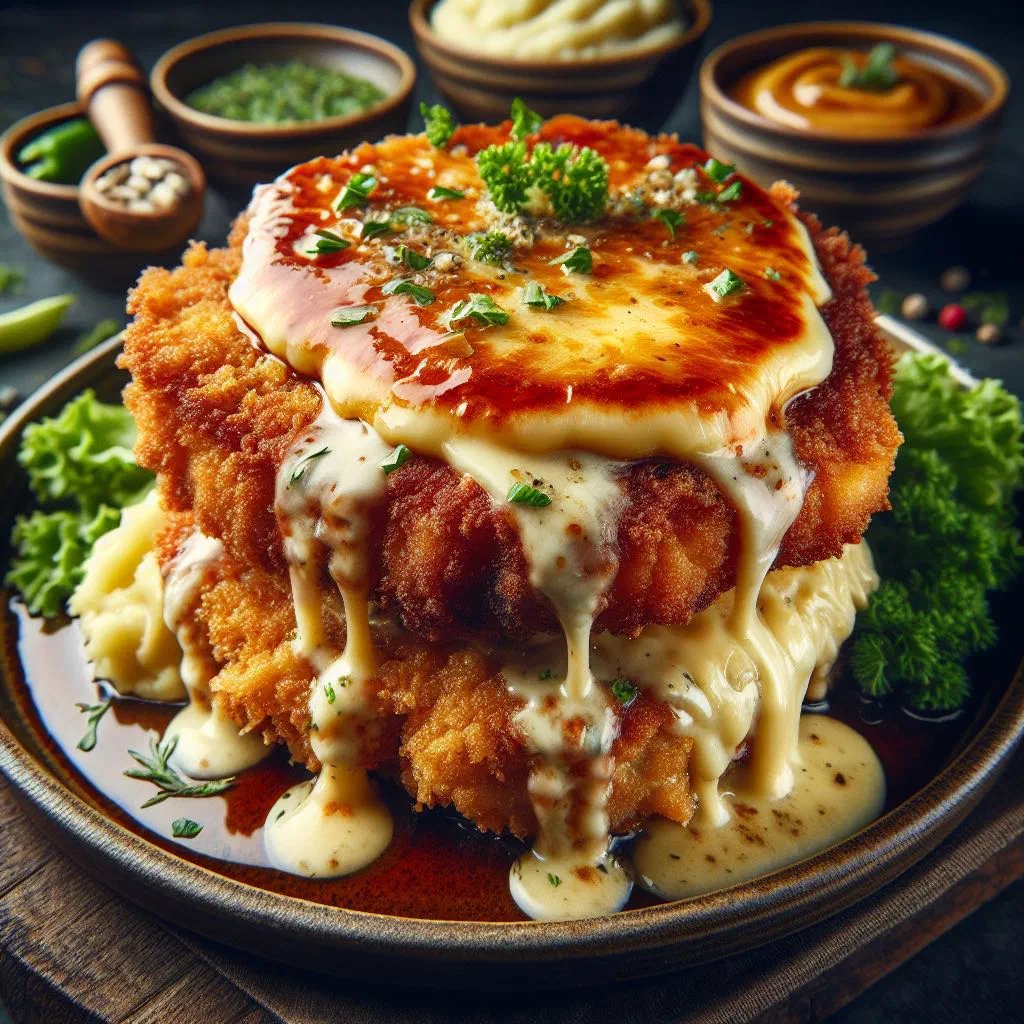
Say hello to Karbonāde ar sieru, a Latvian favourite that turns the humble schnitzel into something rather special. Two tender pork cutlets are pressed together around a generous layer of cheese, coated in crisp breadcrumbs and fried until golden, so that every cut releases a stream of molten filling. It is unashamedly hearty, wonderfully simple to make, and exactly the sort of dish that brings people to the table in a hurry.
About Karbonāde ar Sieru
Karbonāde ar sieru is a small piece of Latvian culture. This satisfying speciality marries juicy meat with melted cheese and fills the kitchen with an unmistakable aroma. It grew out of the classic European schnitzel tradition, yet took on a character of its own under the influence of Latvian tastes and local produce. Ideal for special occasions, it delivers a memorable eating experience that wins over even the fussiest diners.
Ingredients (serves 1–2)
- 2 pork cutlets
- 100 g cheese (Gouda or something similar)
- 1 egg
- Breadcrumbs
- Salt and pepper
- Vegetable oil, for frying
Shopping for the ingredients
When shopping for karbonāde ar sieru it pays to pay close attention to the quality of the meat. Choose fresh, good-quality pork cutlets for the best possible flavour. The cheese should be full-flavoured and melt readily, so that the filling turns properly creamy rather than rubbery. The breadcrumbs matter too, freshly grated ones give the crispest, most even coating.
Preparing the dish
Before you start cooking, beat the cutlets well to tenderise them and bring them to an even thickness. Season them generously with salt and pepper to build up the flavour from the very beginning. The cheese can be sliced or grated, depending on how you like the filling to behave. These few preparatory steps are what make the difference between a good result and a great one, and they let the flavours come through properly.
Step-by-step instructions
- Beat the pork cutlets flat and season with salt and pepper.
- Lay the cheese over one cutlet, place the second cutlet on top and press the edges firmly together.
- Dip the filled cutlet first in beaten egg, then turn it in breadcrumbs.
- Heat the oil in a frying pan and fry the cutlets until golden brown on both sides.
- Drain the finished cutlets on kitchen paper and serve piping hot.
Gluten-free / lactose-free version
For a gluten-free version of karbonāde ar sieru, swap ordinary breadcrumbs for gluten-free crumbs or finely ground nuts, which give a lovely toasted note. The cheese can be replaced with one of the lactose-free alternatives now stocked by most supermarkets. Do check that every ingredient you use is clearly labelled gluten- or lactose-free. With these small adjustments the dish is open to guests with particular dietary needs.
Tips for vegans and vegetarians
To create a vegan take on karbonāde ar sieru, use plant-based cutlets and replace the cheese with a blend of nuts and nutritional yeast for a creamy, savoury filling. The mixture is easily worked into a paste that can be spread between the cutlets. Vegetarians might prefer a filling of roasted vegetables and feta, much like the flavours you find in Cepti Darzeni. Either way the dish stays delicious and respects individual choices.
More tips and tricks
A few pointers make cooking karbonāde ar sieru far easier. Make sure the oil in the pan is properly hot before the cutlets go in, otherwise the coating soaks up fat instead of crisping. Use a little less oil for a lighter version, but keep enough that the crumb can brown evenly. Fry in small batches so the pan temperature does not drop, and let the cutlets rest briefly after frying so the juices settle.
Adapting the recipe to your taste
Karbonāde ar sieru adapts readily to personal preference. Try different cheeses to shift the flavour profile, or add extra seasonings such as paprika or garlic powder to the crumb. The filling can be built up too, with fresh herbs or sautéed mushrooms, the sort of earthy addition that also works beautifully in Senu Merce. There are really no limits, and each version becomes a dish of your own.
Ingredient substitutions
If you do not have everything to hand, there are practical alternatives. Instead of pork you might use poultry or even seitan for a fresh interpretation. For the coating, oat flour or chickpea flour both work well. The cheese, too, invites experiment: vegan cheese or a firm curd cheese such as the one used for Majas Biezpiens both give tasty, lighter results.
Drink pairing ideas
The right drink lifts karbonāde ar sieru considerably. A lightly chilled white wine such as a Sauvignon Blanc pairs beautifully with the savoury meat and molten cheese. If you would rather avoid alcohol, sparkling mineral water with a twist of citrus is refreshing and cuts through the richness, as does a glass of tangy Kvass. Fruity lemonades or a light iced tea also make agreeable companions.
Serving and presentation ideas
Presentation can transform the whole impression of karbonāde ar sieru. Serve the cutlets on a patterned plate and scatter over fresh herbs such as parsley or chives. Sides like a colourful salad or steamed vegetables bring welcome brightness alongside the golden crust, and a slice of dark Rupjmaize rounds the plate out nicely. Matching the cutlery and napkins to the occasion turns any meal into something a little more memorable.
A bit of history
Karbonāde ar sieru has its roots in Latvian cuisine, which has long absorbed influences from the cultures around it. Breaded cutlets, widely regarded as comfort food, are found across much of Europe. In Latvia, however, the dish was enriched with local ingredients and long-standing family recipes. That culinary blending tells the story of generations who share and celebrate their love of cooking and community through food.
More recipe ideas
Summary: Karbonāde ar Sieru
Karbonāde ar sieru offers a delicious meeting of juicy meat and melted cheese that pleases just about every palate. With a handful of simple ingredients, this traditional Latvian dish comes together easily at home. It will pleasure family and friends alike. Let the flavours of Latvia inspire you and enjoy a taste of Baltic food culture.