National Dish Latvia: Melnā Maize (Recipe)
In this article
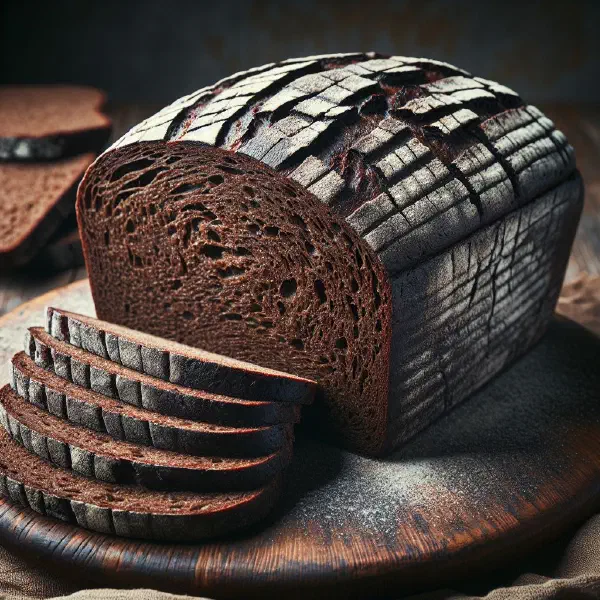
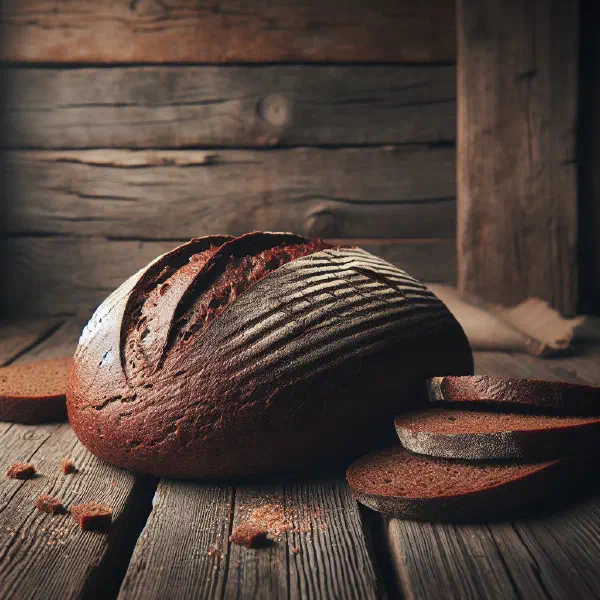
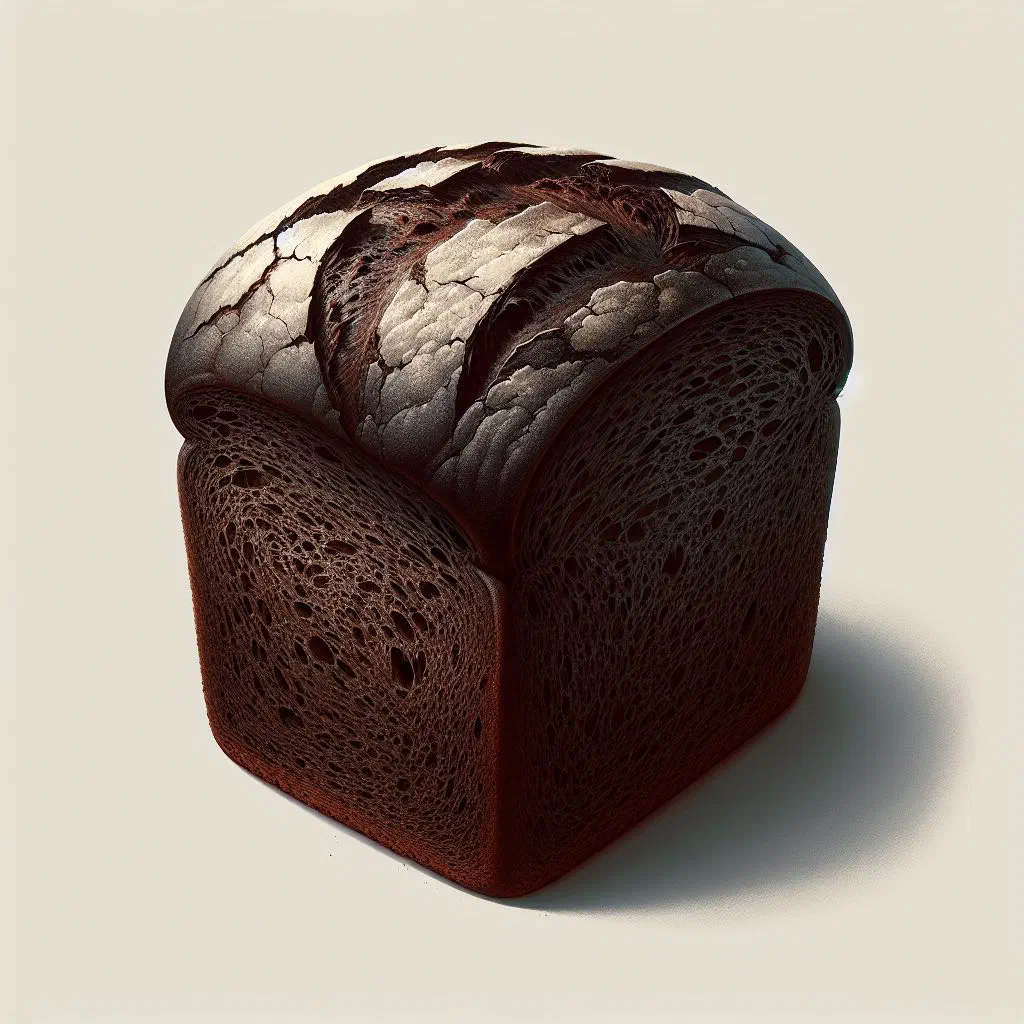
Meet Melnā Maize, the dark rye loaf that Latvians simply call “black bread”. With its deep, almost chocolate-brown crumb, its crackling crust and its gently sweet, malty tang, this is far more than an everyday bake. It has fed Latvian households for centuries and still turns up on the table at every celebration worth the name. Best of all, it needs only a handful of humble ingredients and a little patience.
About Melnā Maize
Melnā Maize, also known as “black bread”, is a deeply rooted traditional dish in Latvia. It is made from rye flour and is enormously popular with locals and visitors alike. The loaf has a characteristic dark colour and a robust, savoury flavour that makes it the perfect companion to countless other dishes. It also is a symbol of Latvian culture and hospitality, which is why you will so often find it on the table at festivities and special occasions.
Ingredients (serves 1–2)
- 250g rye flour
- 150ml warm water
- 1 tsp salt
- 1 tsp sugar
- 1 tsp sourdough starter or 5g dried yeast
Shopping for the ingredients
The ingredients for Melnā Maize are usually available in any well-stocked supermarket or at a local market. Do take care to choose a good-quality rye flour, as it has a considerable influence on the flavour of the finished loaf. If you have no sourdough starter to hand, dried yeast will get the fermentation going just as reliably. It is also worth looking for organic-quality flour, which tends to give the fullest aroma and the best results.
Preparing the dish
Getting ready to bake Melnā Maize is straightforward and calls for very little prior experience. Begin by tipping the rye flour into a large bowl and mixing it with the salt and sugar, which draws out and intensifies the aroma of the bread. Next, prepare the sourdough or the yeast by dissolving it in warm water and leaving it to stand for a few minutes. This sets the fermentation in motion, the single most important factor in the bread’s flavour.
Step-by-step instructions
- Combine the rye flour thoroughly with the salt and sugar in a bowl.
- Stir the prepared sourdough starter or yeast into the flour.
- Add the warm water little by little and knead well until you have a smooth, supple dough.
- Cover the dough and leave it to prove in a warm place for about 1 hour, until risen.
- Transfer the dough to a greased loaf tin and bake for around 30 minutes at 200°C.
Gluten-free / lactose-free version
For a gluten-free version of Melnā Maize, replace the rye flour with a blend of gluten-free flours such as rice flour and potato starch. The key is to combine them carefully so the dough reaches a consistency close to that of a rye loaf. You should also check that every ingredient used is lactose-free, should that be an additional requirement. Following a dedicated gluten-free bread recipe as a guide will give you the most reliable results.
Tips for vegans and vegetarians
Melnā Maize is naturally vegan and contains no animal products whatsoever, which makes it an excellent choice for a plant-based diet. To boost its nutritional value, consider working assorted seeds or nuts into the dough. These additions not only lend a pleasing crunch, they also enrich the bread with healthy fats and protein. Both particularly valuable in a vegan diet.
More tips and tricks
A few practical tips will help you get the most from your Melnā Maize. Make sure the water is not too hot, as excessive heat will kill off the yeast or the sourdough culture. Give the dough plenty of time to prove, since this is what determines how light the crumb turns out. Letting the loaf cool a little after baking keeps the crust attractive and stops the inside from drying out. Storing the bread wrapped in a clean tea towel is the classic way to keep it fresh.
Adapting the recipe to your taste
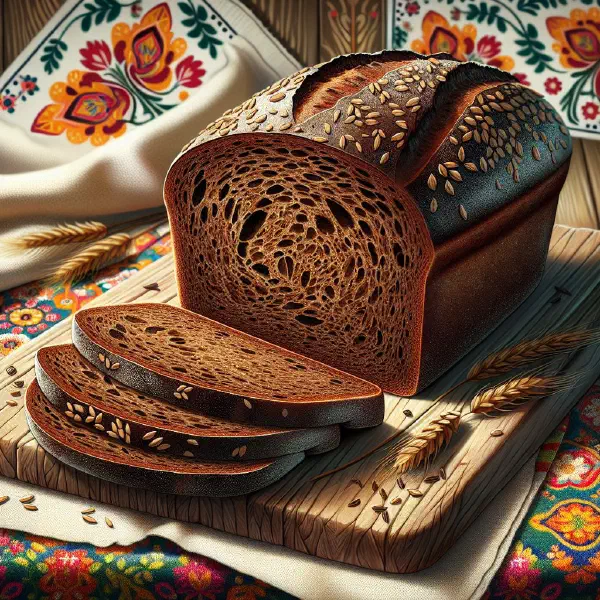
The recipe for Melnā Maize is easily adapted to suit your own palate. You might use honey in place of sugar, for instance, to produce a sweeter, rounder loaf. Adding seeds such as pumpkin or sunflower will lift both the flavour and the nutritional density. Be creative and try out different combinations until you have arrived at your own personal take on this traditional bread, the same spirit of thrifty invention that gave Latvia dishes like Maizes Zupa, a pudding built from leftover rye bread.
Ingredient substitutions
If you do not have particular ingredients to hand, there are plenty of alternatives to fall back on. Spelt flour in place of rye flour, for example, gives a slightly sweeter, milder loaf. For those avoiding gluten, buckwheat flour makes a good substitute and echoes the earthy notes of Griku Biezputra. What matters is adjusting the quantities, as different flours absorb water in very different ways.
Drink pairing ideas
Melnā Maize partners beautifully with a whole range of drinks. A classic Baltic beer sits especially well against the savoury depth of the bread, and a glass of red wine makes an equally fine companion. For an alcohol-free option, reach for a fresh apple juice, a herbal tea, or the lightly fermented Kvass, which is itself brewed from rye bread and complements the loaf perfectly.
Serving and presentation ideas
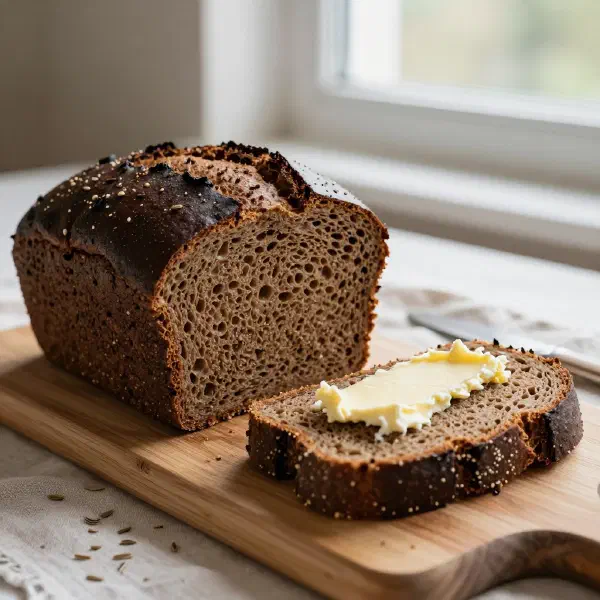
Thoughtful presentation makes eating Melnā Maize all the more enjoyable. Serve the bread in an attractive basket, perhaps lined with a decorative tea towel that helps hold the warmth. For an even better look, slice the loaf and arrange the pieces on a wooden board. A few fresh herbs and a small dish of butter or plant-based margarine alongside complete the picture and give the whole spread a special touch. A bowl of Skābēti Kāposti makes a wonderfully sharp counterpoint.
A bit of history
Melnā Maize has a long and venerable history in Latvia. It is a symbol of Latvian cooking and has been baked for centuries. Originally it was made by farmers in rural districts, since rye counted among the easiest grains to grow in the northern climate. Over time the recipe has evolved, and today the loaf is a fixed part of the country’s food culture, belonging as much to daily meals as to feasts and holidays, a cornerstone of Latvian cuisine.
More recipe ideas
Summary: Melnā Maize
In short, Melnā Maize is a much-loved national dish of Latvia and a simple, thoroughly satisfying recipe that anyone can master. With its savoury aroma and dark, rustic texture, it suits every meal of the day. The scope for adaptation is all but limitless, so everyone can bake the loaf exactly to their own taste. Let Latvian tradition inspire you and enjoy this splendid bread at home.