National Dish Latvia: Pīrāgi (Recipe)
In this article
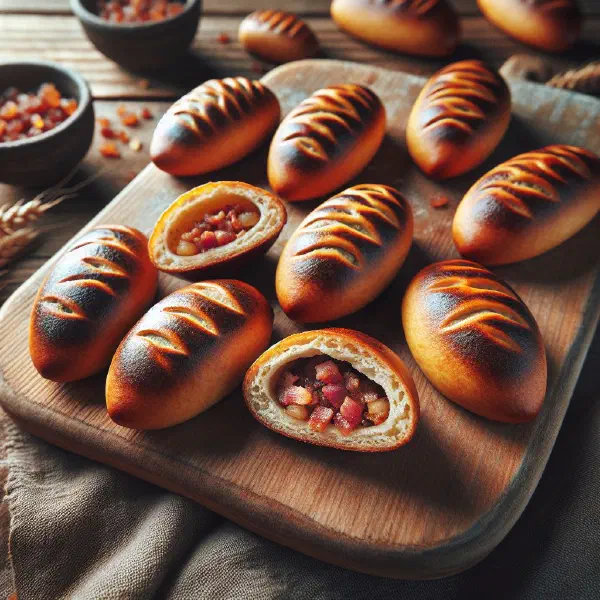
Discover Pīrāgi, the little filled yeast-dough parcels that Latvians reach for whenever there is something worth celebrating. Golden, softly risen and warm from the oven, they turn up at name days, midsummer parties and Christmas tables alike, and just as often as a quick snack with a hot drink. The dough is simple and forgiving; the filling is where you get to play, from smoky bacon to earthy mushrooms or even sweetened fruit.
About Pīrāgi
Pīrāgi are filled yeast-dough parcels that are hugely popular not only in Latvia but throughout the Baltic states. They are served constantly at celebrations and festivals and count as an indispensable part of Latvian cooking. What makes pīrāgi special is the sheer range of fillings, which run from deeply savoury to properly sweet. Vegetables or mushrooms, there is a version here for every palate.
Ingredients (serves 1–2)
- 250 g plain wheat flour
- 1 teaspoon dried yeast
- 150 ml warm milk
- 50 g butter, melted
- 1 teaspoon sugar
- 1 teaspoon salt
- Filling of your choice (e.g. 100 g bacon, 100 g mushrooms)
Shopping for the ingredients
When shopping for pīrāgi, pay attention to the freshness of the ingredients. Visit your local market or a well-stocked supermarket to find good-quality produce. The yeast matters most of all, either fresh or dried will do the job, as long as it is well within date. Think ahead about which fillings you prefer, and check the condition of the bacon and vegetables before you buy.
Preparing the dish
Preparation begins with the yeast dough. Once you have gathered everything, activate the yeast by stirring it into warm milk with a little sugar. Leave the mixture to stand for a few minutes until it foams. While that happens, get the filling ready so everything is waiting when the dough has risen. The same unhurried rhythm works for the smaller Piradzini, which use much the same dough.
Step-by-step instructions
- Activate the yeast in the warm milk and leave it to stand for 10 minutes.
- Put the flour, melted butter, salt and the yeast mixture into a bowl and knead to a smooth dough.
- Cover the dough and leave it to prove in a warm place for about 1 hour, until well risen.
- Roll the dough out on a floured surface and cut it into small circles.
- Spoon the filling into the centre of each circle and seal the edges firmly.
- Place the pīrāgi on a baking tray and leave to prove again for around 20 minutes.
- Bake in a preheated oven at 180°C for about 20–25 minutes, until golden brown.
Gluten-free / lactose-free version
If you would like a gluten-free or lactose-free version of pīrāgi, use a good gluten-free flour blend and swap the milk for plant-based alternatives such as almond or oat milk. Do not forget to check the filling too, making sure nothing gluten-containing sneaks in. Plenty of sound alternatives exist that leave both the flavour and the texture largely untouched.
Tips for vegans and vegetarians
For a vegan version of pīrāgi, replace the butter with plant-based margarine and choose fillings such as spinach, mushrooms or pulses. Good-quality plant proteins also make for a genuinely filling parcel. Check that no animal products lurk in the yeast or the other ingredients, reading the labels or simply making the filling yourself is the safest route. A rich Mushroom Sauce served alongside rounds the plate out nicely.
More tips and tricks
To make your pīrāgi even better, work a few spices into the dough, caraway or marjoram both suit savoury fillings well. Before baking, brush the parcels with beaten egg for a lovely golden finish. Let your imagination run and you will keep discovering new variations.
Adapting the recipe to your taste
One of the great things about pīrāgi is how easily the recipe bends to your preferences. Fancy something with more heat? Add a little chilli or garlic to the filling. For a sweeter take, use fruit such as apples or cherries, the same idea behind the classic Abolu Pirags. The choice of flour also affects flavour and texture, so do not be afraid to experiment.
Ingredient substitutions
If certain ingredients are missing from your cupboard, or you react badly to them, there are plenty of alternatives. Instead of wheat flour you could use rice flour or chickpea flour to make gluten-free pīrāgi. In place of butter, olive oil or another vegetable oil works perfectly well. Take a look at what you already have to hand and build from there.
Drink pairing ideas
Pīrāgi are made for relaxed gatherings and go with all sorts of drinks. A fresh yoghurt drink or a fruity lemonade suits the savoury parcels beautifully. A glass of Latvian Kvass is perhaps the most traditional match of all. For wine drinkers, light white wines or a rosé are a fine choice.
Serving and presentation ideas
A little thought about presentation turns pīrāgi into the star of the table. Serve them on an attractive wooden board or in playful bowls so the different fillings stand out. Decorate the plate with fresh herbs or a dipping sauce that echoes the filling. Good presentation not only adds to the pleasure of eating, it also encourages everyone to reach in and try one.
A bit of history
Pīrāgi have a long history and are deeply rooted in Latvian tradition. They were originally made by farming families as a way of preserving larger quantities of food for the harvest season. The parcels were easy to carry and could be eaten warm or cold in the fields. Today they count not only as a traditional dish but as a symbol of Latvian hospitality, one of the warmest expressions of Latvian cuisine, alongside the dark Rupjmaize that appears on nearly every table.
More recipe ideas
Summary: Pīrāgi
Pīrāgi are not only a culinary classic of Latvian cooking but a dish whose versatility can win over just about anyone. From savoury bacon fillings to sweet fruit variations, there is no real limit to what you can do with them. With good ingredients and a little care in the making, these yeast-dough parcels work equally well as part of a spread or as a snack between meals. Give them a go and bring a piece of Latvian tradition into your own kitchen.