National Dish Latvia: Rupjmaize (Recipe)
In this article
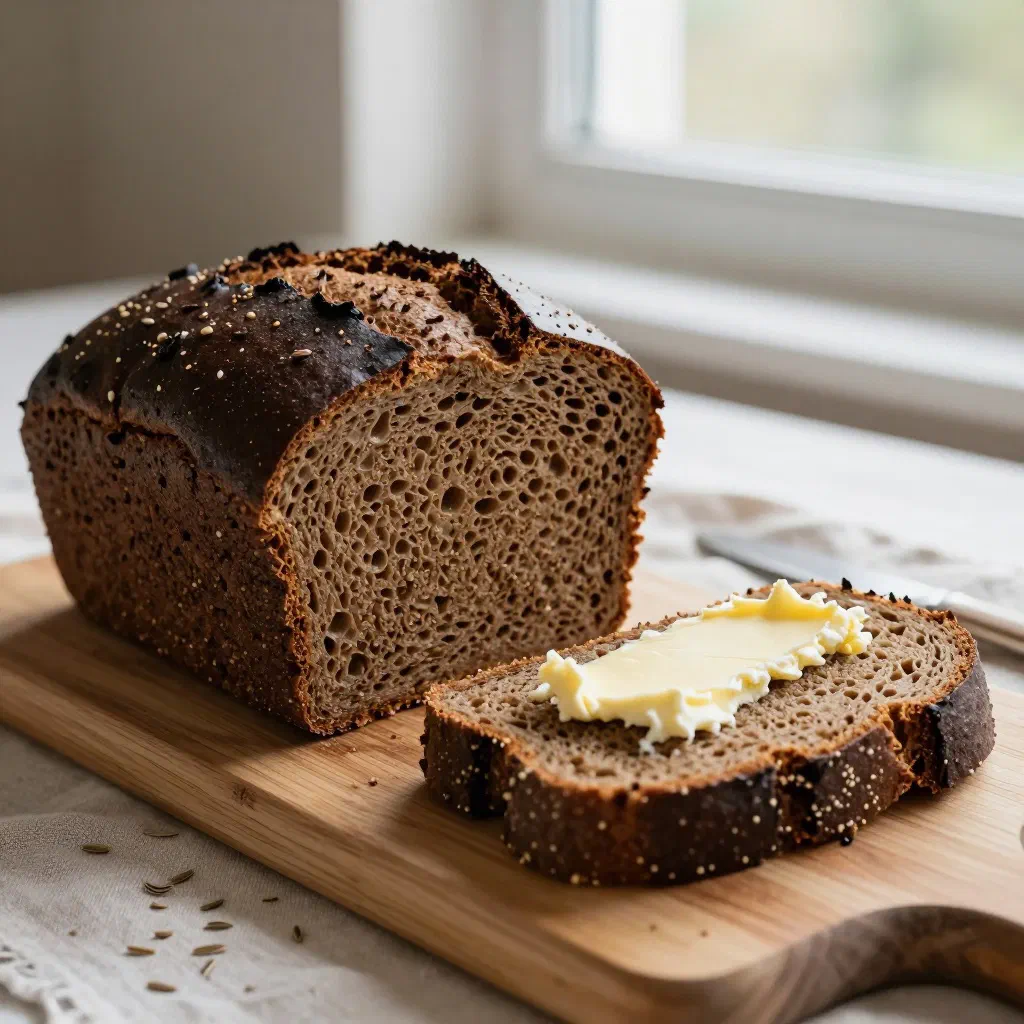
Discover Rupjmaize, Latvia’s beloved dark rye bread. Deep brown, dense and faintly sweet, it carries a malty richness and a gentle sourdough tang that no shop-bought loaf can match. A little patience is all it takes: the sourdough starter does most of the work while you get on with your day. Bake it once and the smell alone will make a Latvian tradition feel entirely at home in your kitchen.
About Rupjmaize
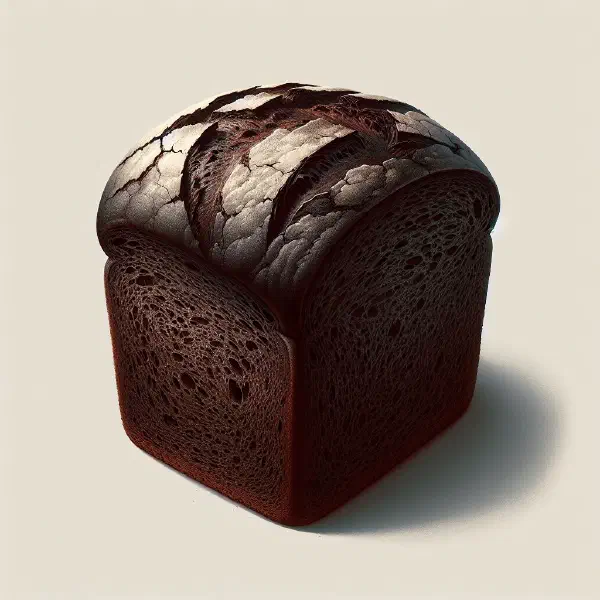
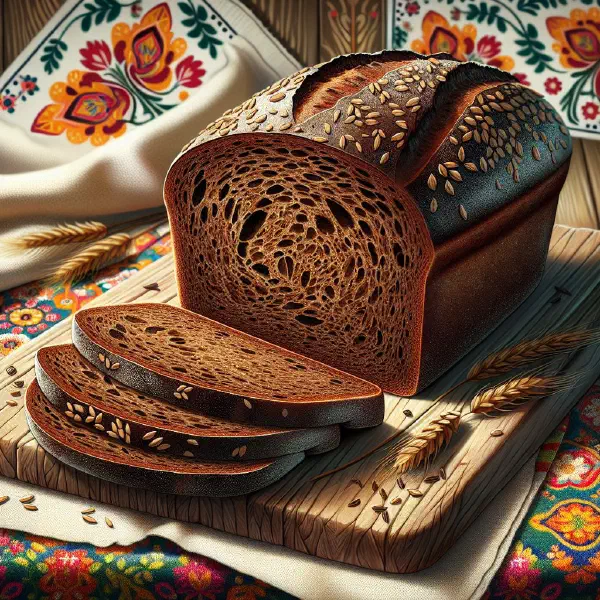
Latvian dark bread, known as Rupjmaize, is a traditional and hearty loaf defined by its deep colour and its rich, lightly sweet and pleasantly sour flavour. Rye flour gives it a dense, moist crumb that keeps beautifully for days, while a hint of honey or molasses rounds off the acidity of the sourdough. It is a fixture of the Latvian table and appears at almost every meal, under butter at breakfast, beside soup at lunch, or piled with cheese and cured fish in the evening.
Ingredients (serves 1–2)
- 200 g rye flour
- 50 g wheat flour
- 150 ml warm water
- 2 tablespoons sourdough starter
- 1 tablespoon honey or molasses
- 1 teaspoon salt
- 1 teaspoon caraway seeds
Shopping for the ingredients
Most of the ingredients above are easy to find in a well-stocked supermarket. Rye flour and a live sourdough starter may take a little more looking, health food shops, organic grocers and traditional bakeries are your best bet, and many bakeries will happily part with a spoonful of starter if you ask. Caraway seeds sit in the spice aisle, and molasses is usually shelved near the syrups and honey.
Preparing the dish
Set out all the ingredients before you begin and make sure the water is warm rather than hot, around body temperature is ideal. Water that is too hot will kill the wild yeasts and the loaf will never rise properly. Grease your loaf tin in advance and clear a little space on the worktop for kneading, since this is a firm, sticky dough that benefits from room to work.
Step-by-step instructions
- Mix the sourdough starter with the warm water and leave to stand for 10 minutes.
- Sift the rye flour and wheat flour into a large bowl, then add the salt and the caraway seeds.
- Stir the molasses or honey into the starter and water mixture, then pour the liquid into the bowl of flour.
- Knead the dough thoroughly until smooth and elastic — this may take 10–15 minutes.
- Cover the dough and leave it to prove in a warm place for about 4 hours, or until doubled in size.
- Knead the dough again and transfer it to a greased loaf tin. Leave to rest for a further 2 hours.
- Preheat the oven to 200°C and bake the bread for about 40–50 minutes.
- Turn the finished loaf out of the tin and leave it to cool completely on a wire rack.
Gluten-free / lactose-free version
Rupjmaize is naturally lactose-free, since the dough contains no dairy at all. A truly gluten-free version is trickier, as rye is central to the character of the loaf, but a blend of buckwheat and certified gluten-free flours with a little psyllium husk will give you a dark, moist bread in a similar spirit. Keep the caraway and the molasses and much of the familiar flavour survives the swap.
Tips for vegans and vegetarians
This dark bread recipe is already vegan as long as you use a plant-based sweetener such as molasses or agave syrup in place of the honey. Choosing organic flour supports a fully plant-based diet and tends to give the sourdough more to feed on, which in turn deepens the flavour. Serve it with plant-based spreads or a bowl of Senu Merce for a thoroughly meat-free meal.
More tips and tricks
To give the loaf its characteristic crust, place a dish of water in the oven while it bakes. The steam keeps the surface supple for the first few minutes, which improves both the rise and the texture of the finished bread. Resist the urge to slice it while warm: rye bread needs several hours to set, and cutting too early leaves the crumb gummy.
Adapting the recipe to your taste
You can tailor the recipe by adding different spices such as anise or coriander seed alongside the caraway. Nuts and dried fruit, sunflower seeds, walnuts or a handful of raisins, lend the loaf an interesting twist and pair especially well with cheese. A little more molasses gives a darker, sweeter loaf closer to the festive breads served with Janu Siers.
Ingredient substitutions
Instead of rye flour you can use spelt flour, which produces a lighter loaf with a nuttier note. Maple syrup makes an excellent stand-in for honey and brings its own gentle caramel character. If you have no starter to hand, a lightly soured yeast preferment will get you part of the way there, though the flavour will be milder than the traditional bread.
Drink pairing ideas
Latvian dark bread goes wonderfully with a glass of buttermilk or a cold beer. For an alcohol-free option, traditional Kvass is the classic choice, fittingly, it is brewed from the very same bread. A tart berry drink such as Dzervenu Uzlejums also cuts nicely through the loaf’s malty sweetness.
Serving and presentation ideas
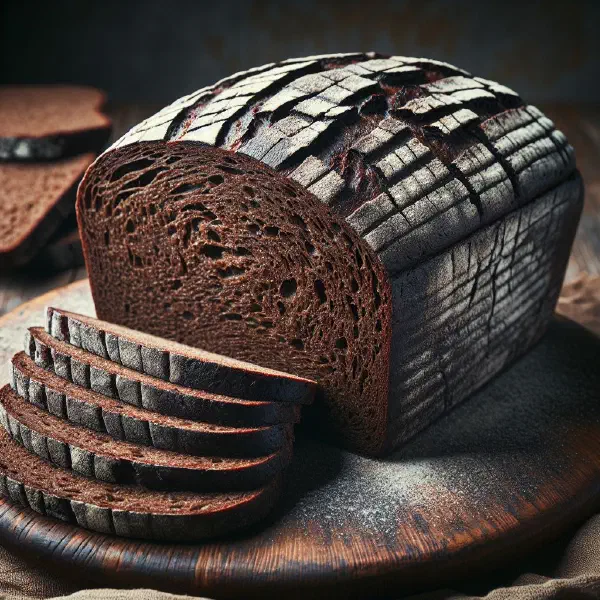
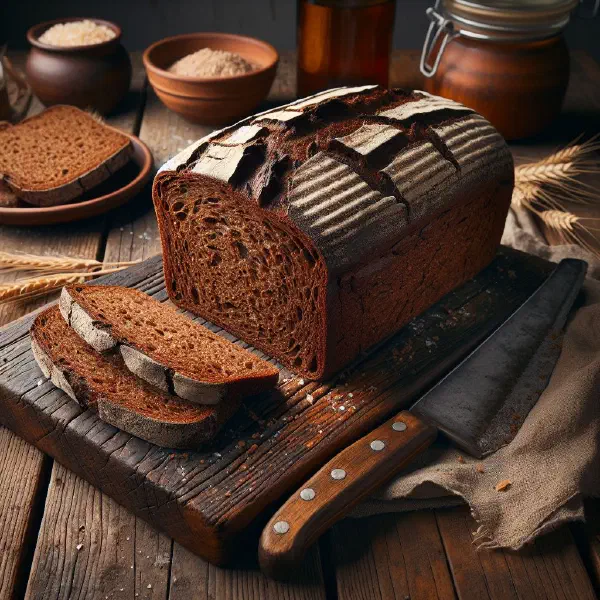
Cut the bread into thin slices and serve it on a rustic wooden board. Butter, cheese and a few fresh herbs make a simple, handsome garnish, and a small bowl of salt alongside is very much in the Latvian spirit. For a fuller spread, add pickles, smoked fish and cured meats so guests can build their own open sandwiches.
A bit of history
Dark bread has a long tradition in Latvia and is a symbol of hospitality and plenty. It was originally baked in rural households in great round loaves that had to last a family a week or more, which is why the dense rye crumb was prized for keeping so well. Over the centuries it has become an indispensable part of Latvian cuisine, turning up in everything from breakfast to pudding.
More recipe ideas
Summary: Rupjmaize
Authentic Latvian dark bread is a delicious and versatile loaf that takes surprisingly little effort to make at home. Careful choice of ingredients and a clear, step-by-step method mean that even first-time bakers can enjoy this traditional pleasure. Give the dough the time it asks for, let the loaf cool properly, and you will be rewarded with a bread that tastes of Latvia itself.