National Dish Latvia: Saldā Zupa (Recipe)

In this article
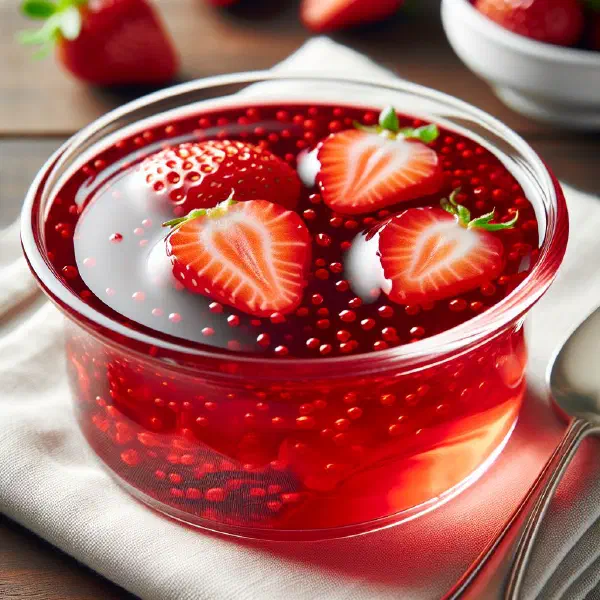
Meet Saldā zupa, Latvia’s wonderfully refreshing sweet soup, a chilled bowl of ripe summer fruit blended with creamy yoghurt and a whisper of honey. Cool, fruity and ready in minutes, it sits happily somewhere between a light dessert and a restorative afternoon snack. On a hot day there are few things more welcome, and it captures the easy, seasonal spirit of the Baltic table beautifully.
About Saldā Zupa
Saldā zupa is a traditional Latvian soup known for its cooling character and gentle sweetness. It is enjoyed above all during the warmer months of the year and is a firm family favourite. The main ingredients are fresh fruit and yoghurt, which come together in a smooth, harmonious blend. It is a delicious treat and a nourishing choice for anyone after a light snack or a refreshing dessert.
Ingredients (serves 1–2)
- 200 g yoghurt (natural or fruit)
- 300 ml milk
- 150 g fresh fruit (such as strawberries, cherries or peaches)
- 2–3 tablespoons sugar or honey
- 1 teaspoon lemon juice
- Mint leaves, to garnish
Shopping for the ingredients
For Saldā zupa it is important to use the freshest ingredients you can find. Visit local markets or a good supermarket and pick out ripe, fragrant fruit. Choose a yoghurt without additives so the natural aroma of the soup comes through clearly. As for the sugar, you might also consider alternatives such as honey to tune the sweetness to your own taste.
Preparing the dish
Preparing Saldā zupa is refreshingly simple and takes only a few steps. Begin by washing the fruit thoroughly and cutting it up where necessary. This helps you achieve an evenly balanced mixture of flavours and textures. Make sure everything is ready and to hand before you move on to the next stage. It makes the whole process quicker and far easier.
Step-by-step instructions
- Put the washed and chopped fruit into a bowl.
- Add the yoghurt, milk, sugar or honey and the lemon juice.
- Blend well with a blender or stick blender until the mixture is completely smooth.
- Ladle the soup into bowls and garnish with mint leaves to taste.
- Chill in the fridge for at least 30 minutes before serving.
Gluten-free / lactose-free version
For anyone living with a gluten or lactose intolerance, Saldā zupa offers plenty of scope for adaptation. Replace the usual yoghurt with a lactose-free yoghurt or a plant-based alternative such as soya or almond yoghurt. The milk, too, can be swapped without any fuss for a plant-based milk such as oat or rice drink, which makes the dish entirely gluten-free and lactose-free. That way everyone can enjoy this Latvian speciality.
Tips for vegans and vegetarians
Vegans can make Saldā zupa easily by replacing the yoghurt and milk with plant-based alternatives. For a particularly creamy result, cashew yoghurt or coconut milk work beautifully. You can also vary the sweetness using natural sweeteners such as agave syrup or dates. The result is a delicious, nourishing dessert or snack that suits a fully plant-based diet.
More tips and tricks
To deepen the flavour of Saldā zupa, experiment with different fruit combinations. Exotic fruits such as mango or pineapple, for example, lend the soup a tropical touch. Do respect the balance between sweetness and fruit acidity, though, so the overall picture stays in tune. A small splash of lemon juice can often work wonders, much as it does in a bowl of Auglu Zupa.
Adapting the recipe to your taste
The joy of Saldā zupa lies in its versatility. You can vary the fruit according to the season or simply to your own preferences. Berries and stone fruits are popular choices and are always fresh and flavourful during the hot months. Consider, too, whether you would like a little more texture, chopped nuts or a spoonful of granola will happily enrich the experience.
Ingredient substitutions
If an ingredient is unavailable, there is always an alternative to hand. When fresh fruit is hard to come by, frozen fruit works just as well. Instead of sugar you might try other natural sweeteners such as agave nectar or stevia to raise the nutritional value. Be creative and see what your store cupboard holds, a spoonful of Majas Biezpiens stirred through, for instance, makes every batch a little different.
Drink pairing ideas
Saldā zupa pairs wonderfully with a range of drinks. A fresh herbal tea such as mint or lemon balm is an excellent companion that echoes the flavours of the soup. A fruity smoothie made from the same fruits can create some exciting complementary notes, while the tangy Latvian classic Dzervenu Uzlejums is another fine match. For an alcoholic option, a fruity wine or a light sparkling wine rounds off the experience nicely.
Serving and presentation ideas
Presentation matters with Saldā zupa. It is what sharpens the appetite. Serve the soup in attractive bowls and garnish with fresh mint leaves. A little extra fruit scattered on top is a visual treat in itself. Remember to play up the natural colours to create an appealing, appetising picture that will pleasure your guests.
A bit of history
Saldā zupa has its roots in Latvian cuisine and is a fine example of the country’s summer harvest traditions. This refreshing soup reflects the use of seasonal ingredients that were easy to find around Latvian villages. It was originally made to take the edge off hot summer days, using local fruit and regional yoghurt, the same thrifty, seasonal thinking behind chilled dishes such as Auksta Zupa. Thanks to its fresh flavours and light ingredients, Saldā zupa remains a timeless dish in Latvia and well beyond.
More recipe ideas
Summary: Saldā Zupa
In short, Saldā zupa is an exquisite choice for warm days. This sweet, refreshing soup gathers up the best flavours of the Latvian countryside and brings them straight to the table. Saldā zupa is a thoroughly enjoyable experience that takes very little effort to prepare. Let its many possibilities inspire you and enjoy this Latvian speciality in your own kitchen.