National Dish Lebanon: Kibbeh (Recipe)
In this article
Kibbeh at its most refined is raw: lamb pounded with bulgur to a paste and eaten with olive oil and mint, which is kibbeh nayyeh. The fried version below is the everyday one, and the baked tray version is what most households actually make.
About Kibbeh
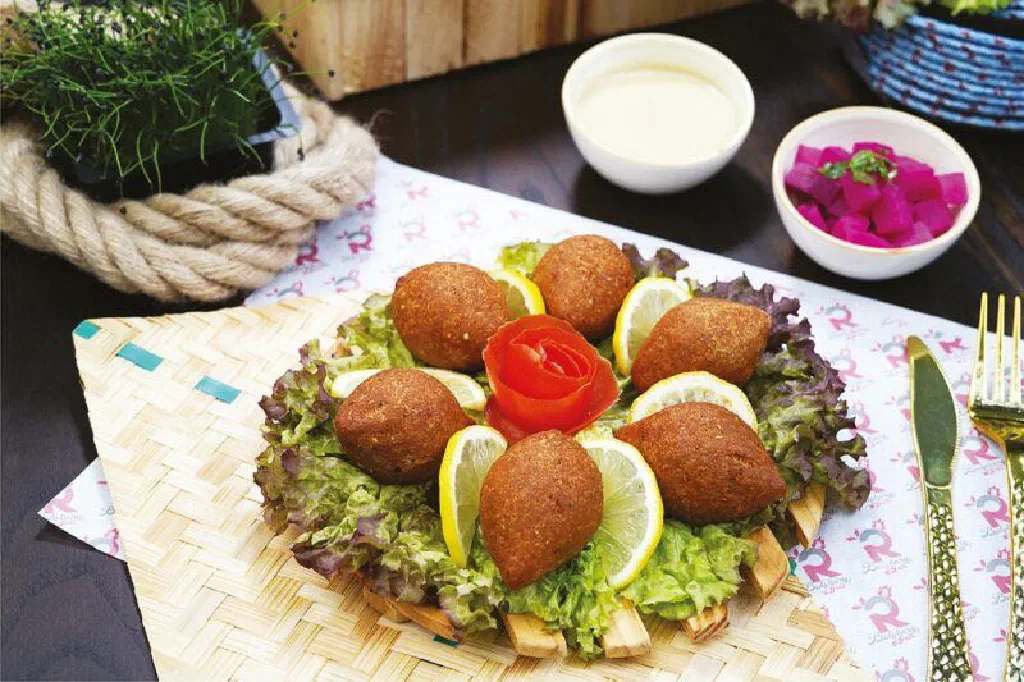
Kibbeh is Lebanon’s national dish and covers a family of preparations built on the same base: fine bulgur worked into minced lamb until the two become one smooth mass. From there it is shaped into torpedoes and stuffed, layered in a tray and baked, or eaten raw.
The stuffed version, kibbeh rass, is the technical showpiece. Getting the shell thin enough without splitting takes practice that Lebanese grandmothers have and most people do not.
Ingredients (serves 1–2)
- 500 g minced meat (beef, lamb or a mixture of both)
- 2 tablespoons bulgur
- 1 tablespoon ground cumin
- 1 tablespoon ground coriander
- 2 tablespoons finely chopped onion
- 2 tablespoons finely chopped parsley
- 1 teaspoon salt
- ½ teaspoon black pepper
- 1 tablespoon olive oil
Shopping for the ingredients
Fine bulgur, grade 1, is what kibbeh needs; coarse bulgur stays gritty and will not bind. Lamb from the shoulder, minced twice, gives the right texture. Lebanese seven-spice, sabaa baharat, is the traditional seasoning and is better than cumin and coriander alone.
Preparing the dish
Soak the fine bulgur in cold water for ten minutes and squeeze it dry. Knead it into the meat with wet hands for several minutes, longer than feels necessary: the mixture should become smooth and slightly sticky rather than remaining crumbly.
Step-by-step instructions
- Soak the fine bulgur in cold water for 10 minutes, then squeeze it dry.
- Put the minced meat, bulgur, cumin, coriander, onion, parsley, salt and pepper into a bowl and knead everything into a smooth, even mixture.
- Chill the mixture for 30 minutes so it firms up.
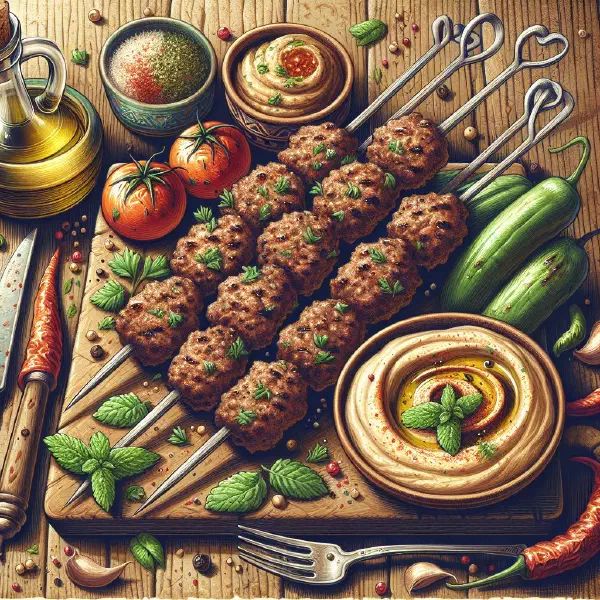
- Take small portions of the mixture and shape them into balls with wet hands, then press each one into a flat, round patty.
- Heat the olive oil in a frying pan and fry the patties until golden brown on both sides.
- Serve the kibbeh warm, with a fresh salad and a side dish of your choice.
Gluten-free / lactose-free version
Bulgur is wheat, so kibbeh is not gluten-free. Some Lebanese households make kibbeh batata, using potato instead, which is naturally gluten-free and a real dish. There is no dairy in it.
Tips for vegans and vegetarians
Kibbeh batata, made with potato and bulgur, is the traditional Lenten version and is vegan. Pumpkin kibbeh, kibbeh laqtin, is the other, usually stuffed with spinach and walnuts. Both are proper dishes rather than adaptations.
More tips and tricks
Knead the mixture properly and keep your hands wet. Chill it before shaping, which makes it far easier to handle. And do not skip the fine bulgur grade: coarse bulgur is the single most common reason home kibbeh falls apart.
Adapting the recipe to your taste
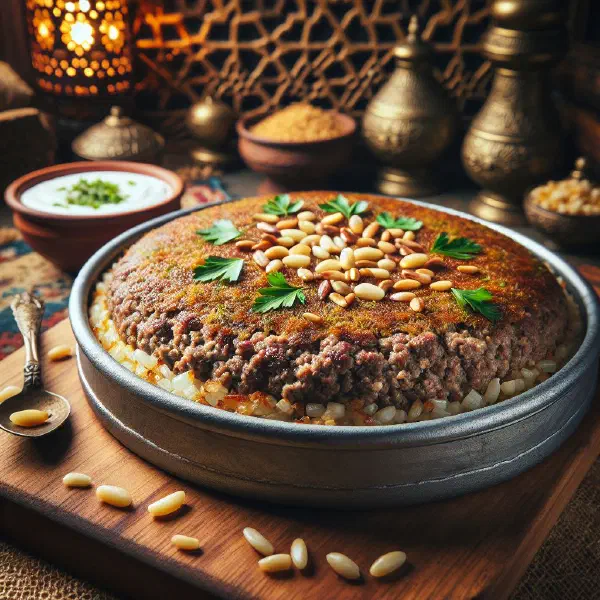
Baked kibbeh in a tray, with a filling of spiced lamb, onion and pine nuts between two layers, is the easiest good version. Pine nuts in the stuffing are standard. A pinch of cinnamon is traditional.
Ingredient substitutions
Beef works in place of lamb. Potato or pumpkin replace the meat entirely for the vegan versions. Seven-spice replaces the individual spices.
Drink pairing ideas
Arak with water and ice, which turns cloudy and is the Lebanese table drink. A Lebanese red from the Bekaa such as Château Musar. Ayran or lemon-mint alongside.
Serving and presentation ideas
Serve it warm as part of a mezze spread with tabbouleh, hummus, yoghurt and flatbread. Kibbeh is rarely a main course on its own; it is one dish among many on a crowded table.
A bit of history
Kibbeh is Levantine and shared with Syria, Iraq and Palestine, and the pounding of meat with grain in a stone mortar, a jurn, is old. Every family has its own proportions and the argument about them is affectionate and endless. It anchors Lebanese cuisine.
More recipe ideas
Summary: Kibbeh
Kibbeh is fine bulgur kneaded into minced lamb, shaped and fried, baked or eaten raw. Use grade 1 bulgur, knead it until smooth, chill it before shaping, and keep your hands wet.