National Dish Lesotho: Bobatsi (Recipe)
In this article
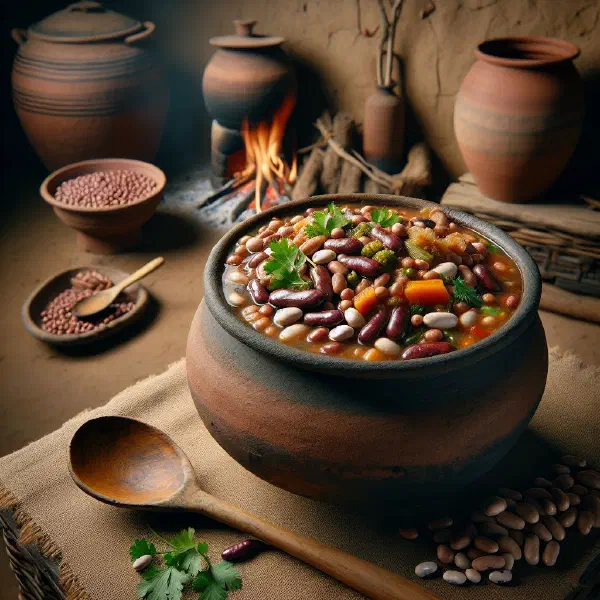
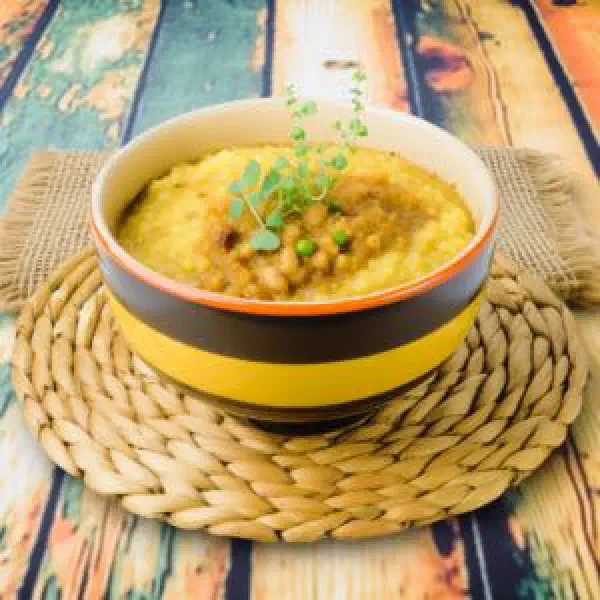
Meet Bobatsi, a hearty staple from the mountain kingdom of Lesotho that brings cooked beans and creamy maize porridge together in one comforting bowl. Nourishing, filling and wonderfully simple, it is the kind of dish that turns up at family tables and festive gatherings alike. More than just a meal, bobatsi is a symbol of community and warm Basotho hospitality, a dish made to be shared with those you love.
About Bobatsi
Bobatsi is a traditional dish from Lesotho, served in countless households and at festive occasions across the country. It brings together the flavours and ingredients of the region, reflecting the warmth of Basotho culture. Its two main components are cooked beans and maize porridge, which combine to make a nourishing and satisfying dish. Bobatsi is not simply something to eat but a symbol of community and hospitality, often shared with family and friends. It sits comfortably alongside other cornerstones of Lesotho cuisine, and rewards anyone who takes the time to make it from scratch.
Ingredients (serves 1–2)
- 1 cup dried beans (e.g. black beans or red beans)
- 1 cup maize meal
- 3 cups water (for the beans)
- 1½ cups water (for the porridge)
- Salt to taste
- Optional: vegetables or meat, to serve
Shopping for the ingredients
When shopping for bobatsi, choose fresh and good-quality ingredients wherever you can. The beans can be bought either dried or tinned, though soaking dried beans overnight shortens the cooking time and improves their digestibility. Maize meal is available in most supermarkets and ideally should be of a coarse grind to achieve the authentic texture that gives the dish its character.
Preparing the dish
Preparing bobatsi begins with soaking the beans, which makes them easier to cook and gives them a more even consistency. Once soaked, the beans should be rinsed thoroughly and simmered in a pot of fresh water until tender. The maize porridge, also known as pap, is made separately and usually needs around 10–15 minutes. A good stirring technique is important to avoid lumps and to reach a smooth, creamy consistency.
Step-by-step instructions
- Soak the beans overnight, then drain and tip them into a pot.
- Add 3 cups of water and simmer the beans for 1–1½ hours, until soft.
- In a separate pot, bring 1½ cups of water to the boil.
- Add the maize meal, stirring constantly, until you have a smooth mixture.
- Cook over medium heat for about 10–15 minutes, until the porridge reaches the consistency you want.
- Drain the cooked beans and season to taste.
- Serve the bobatsi by plating the maize porridge alongside the beans.
Gluten-free / lactose-free version
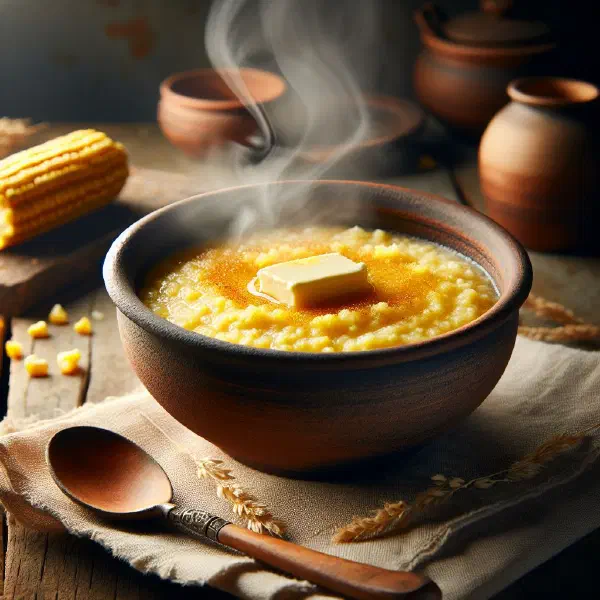
Bobatsi is naturally gluten-free when the right ingredients are used. Just make sure the maize meal you buy contains no hidden gluten sources. It is also lactose-free, as no dairy is involved in the preparation. This makes it an ideal choice for anyone with dietary restrictions, much like the naturally simple Cornbread Porridge.
Tips for vegans and vegetarians
For vegans and vegetarians, bobatsi offers a wonderful base for a nourishing meal. To make it even more wholesome, add different vegetables such as spinach or carrots. These boost the nutritional value and lend extra colour and flavour to the dish. Spices like cumin or paprika can be stirred in too, drawing out additional layers of aroma. For a leafy addition, a side of Moroho works beautifully.
More tips and tricks
One key tip when making bobatsi is to keep an eye on the consistency of the maize porridge. If it becomes too thick, a splash of water will bring back the creaminess you are after. The seasoning can also be varied to taste, so you can create a flavour that is all your own. Experiment with different herbs and spices to make your bobatsi truly unique.
Adapting the recipe to your taste
The recipe for bobatsi is remarkably adaptable and easily tailored to personal preference. Or fold in extra vegetables such as pumpkin and courgette, is entirely up to you. You can be just as creative with the sides, serving different meats or spicy sauces alongside. The trick is simply to choose the ingredients you enjoy most. A serving of hearty Dinawa Stew makes a fine partner if you want to lean into the beans.
Ingredient substitutions
If you have no dried beans to hand, consider gentle alternatives such as tinned chickpeas or lentils. These offer similar nutritional value and pair well with the maize porridge. Likewise, the maize meal can be swapped for rice flour or millet flour to achieve an interesting texture and flavour. It is well worth trying different flours to find the result that suits you best. For a classic maize-based accompaniment, a bowl of Papa is always welcome.
Drink pairing ideas
A number of drinks make good companions to bobatsi. Traditionally, a homemade fruit lemonade or an unsweetened herbal tea pairs perfectly with the dish’s savoury flavours. For an alcoholic option, a light beer such as a glass of Basotho Ale or a fruity wine can also be a good choice. Pick drinks that round out the flavours and make the meal a pleasure to enjoy.
Serving and presentation ideas
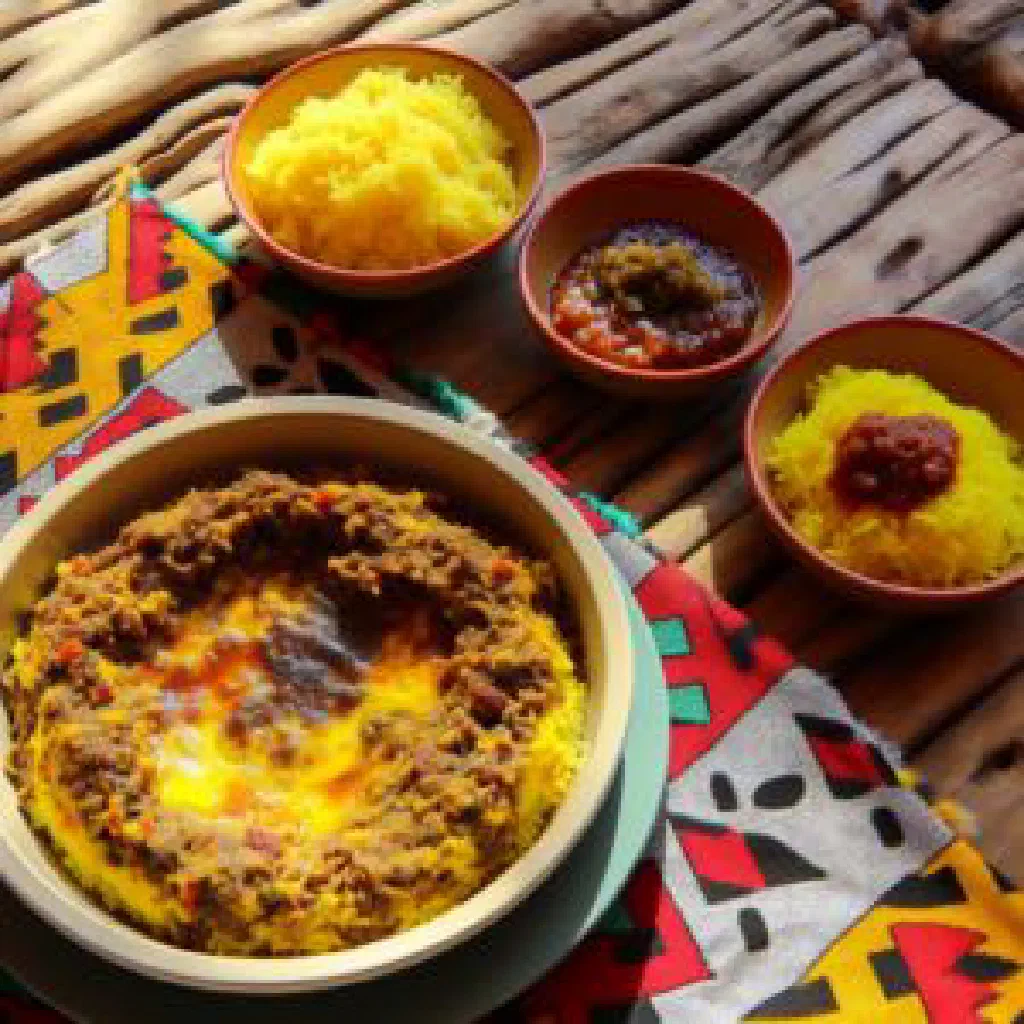
The way bobatsi is presented can lift the whole eating experience. Serve the maize porridge and beans in a large bowl, garnished with fresh herbs such as chives or coriander. A mix of colours, green vegetables or brightly coloured produce, adds to the appetising look. Remember to enjoy the dish in good company, to underline the sense of community it represents.
A bit of history
The story of bobatsi is deeply woven into the culture of Lesotho. Traditionally passed down from generation to generation, it has become a symbol of family bonds and social gatherings. In many villages it is customary to serve bobatsi at celebrations and festivals, giving the dish an important cultural role. This tradition has helped bobatsi remain an essential part of Basotho cooking to this day.
More recipe ideas
Summary: Bobatsi
Bobatsi is a nourishing and flavourful dish that represents the culinary traditions of Lesotho. The combination of cooked beans and maize porridge makes for a hearty meal that, thanks to its adaptability, can be prepared in countless variations. Set out to discover the wealth of African cuisine and savour this wonderful dish.