National Dish Lesotho: Papa (Recipe)
In this article
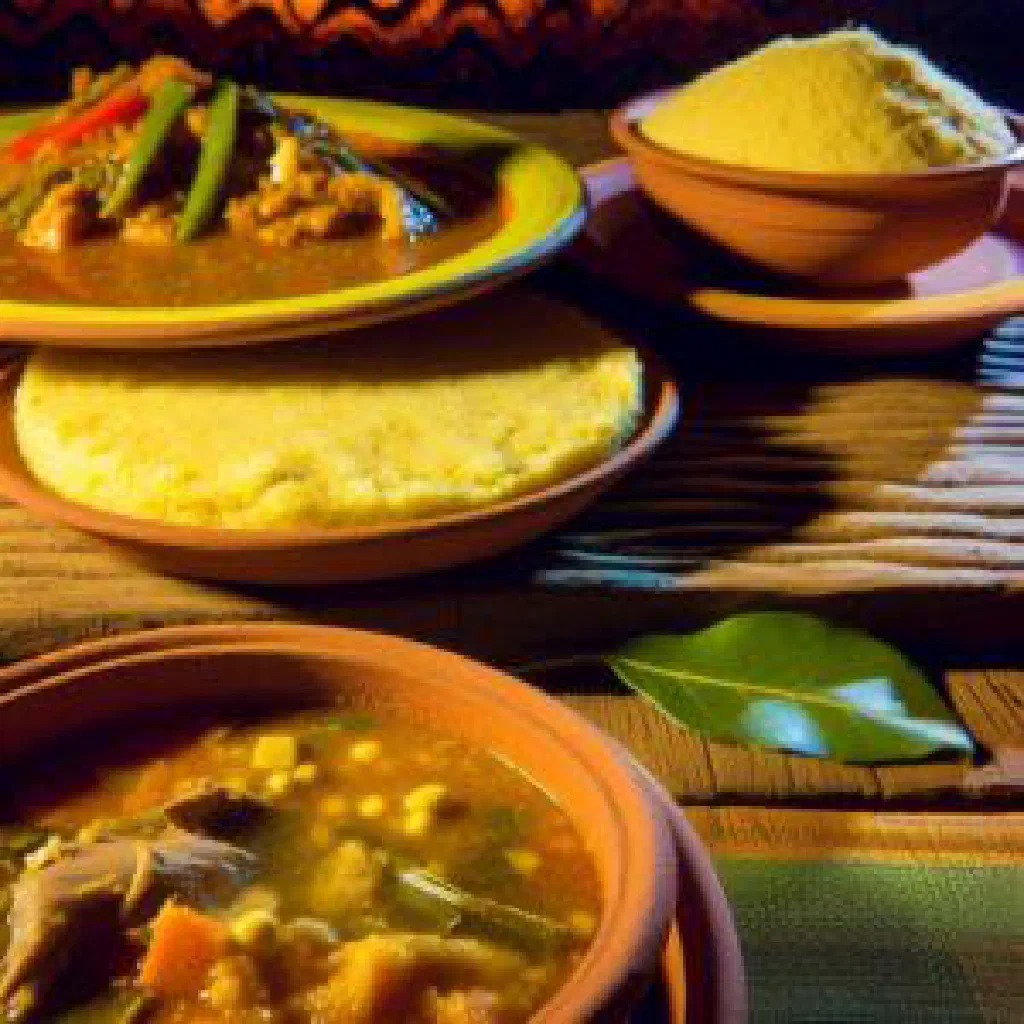
Papa is maize meal cooked stiff, the same dish that Kenya calls ugali and Eswatini calls sishwala. Lesotho is a mountain kingdom entirely surrounded by South Africa, and papa with a green relish is what most households eat most days.
About Papa
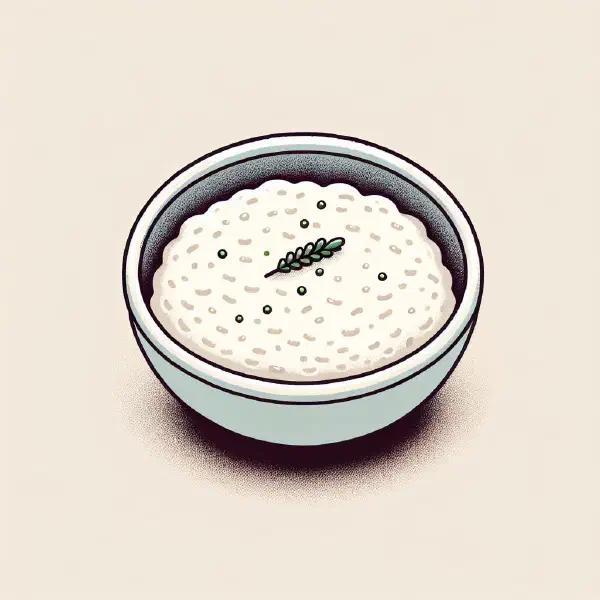
Papa, also pap or phuthu depending on the consistency, is maize meal stirred into boiling water until firm. There is no seasoning beyond salt and none is wanted. What matters is what goes beside it: moroho, the wild greens, or a meat stew.
Sorghum was the older grain here and still appears in traditional dishes, but maize took over in the twentieth century.
Ingredients (serves 1–2)
- 1 cup maize meal (finely ground)
- 4 cups water
- Salt to taste
Shopping for the ingredients
White maize meal, sold as pap meal or mealie meal in African shops. Fine or medium grind. Yellow maize gives a sweeter porridge that Basotho would not recognise as papa.
Preparing the dish
Slurry the maize meal with cold water first. That single step prevents the lumps that otherwise ruin it. Use a heavy pan and a wooden spoon with some strength to it.
Step-by-step instructions
- Bring the water to the boil in a saucepan and add the salt.
- Stir the maize meal into a little cold water to form a smooth, lump-free paste.
- Pour the maize-meal mixture into the boiling water.
- Stir continuously until the mixture thickens and begins to pull away from the sides of the pan.
- Cover the pan and let it simmer over low heat for a further 20 minutes.
- Stir occasionally to stop it catching on the bottom.
- Once the papa has reached the consistency you like, take it off the heat and serve.
Gluten-free / lactose-free version
Maize contains no gluten and papa contains no dairy. It is naturally suitable for both restrictions with no adaptation at all.
Tips for vegans and vegetarians
Papa is flour and water. Served with moroho, the sautéed greens, and chakalaka, the spiced vegetable relish, it makes a complete vegan meal that Basotho households eat regularly.
More tips and tricks
Give it the full twenty minutes covered after it thickens. That steaming is what cooks the maize through, and skipping it leaves a raw, chalky taste. Stir from the base so it does not catch. And serve it hot; papa sets hard.
Adapting the recipe to your taste
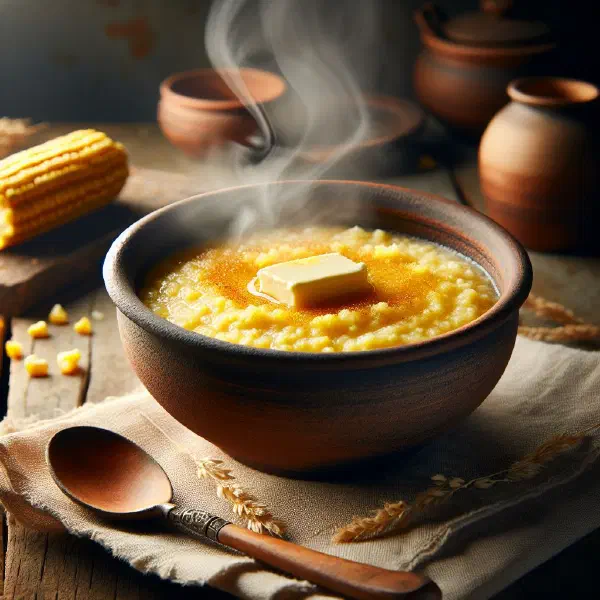
Cooked looser it becomes breakfast porridge; cooked stiffer and crumbled it becomes phuthu, eaten with sour milk. Sorghum meal makes the older, darker version. A knob of butter is a modern addition.
Ingredient substitutions
Sorghum or millet meal both work. Polenta gives a coarser result. Water only.
Drink pairing ideas
Motoho, the fermented sorghum drink, is the Basotho traditional accompaniment and is drunk daily. Sour milk with phuthu. Tea otherwise.
Serving and presentation ideas
Serve it as a mound with the relish beside it and eat with the right hand, pinching off pieces and using them to scoop. It goes onto a shared plate rather than individual ones in most households.
A bit of history
Lesotho sits entirely above 1,400 metres, the only country in the world that does, and its agriculture is constrained accordingly. Maize replaced sorghum as the staple within living memory. Papa anchors Basotho cuisine alongside moroho and the mountain lamb stews.
More recipe ideas
Summary: Papa
Papa is maize meal stirred into boiling water and cooked stiff. Slurry the meal first, steam it covered for twenty minutes, and serve it hot with greens.