National Dish Lesotho: Sekhobe Stew (Recipe)
In this article
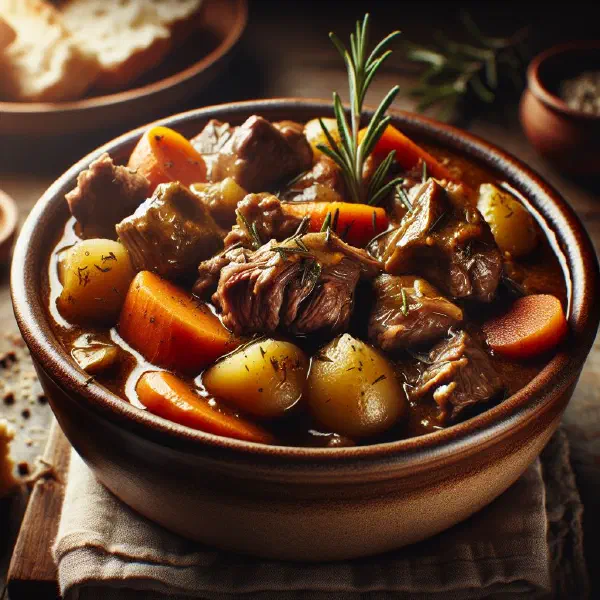
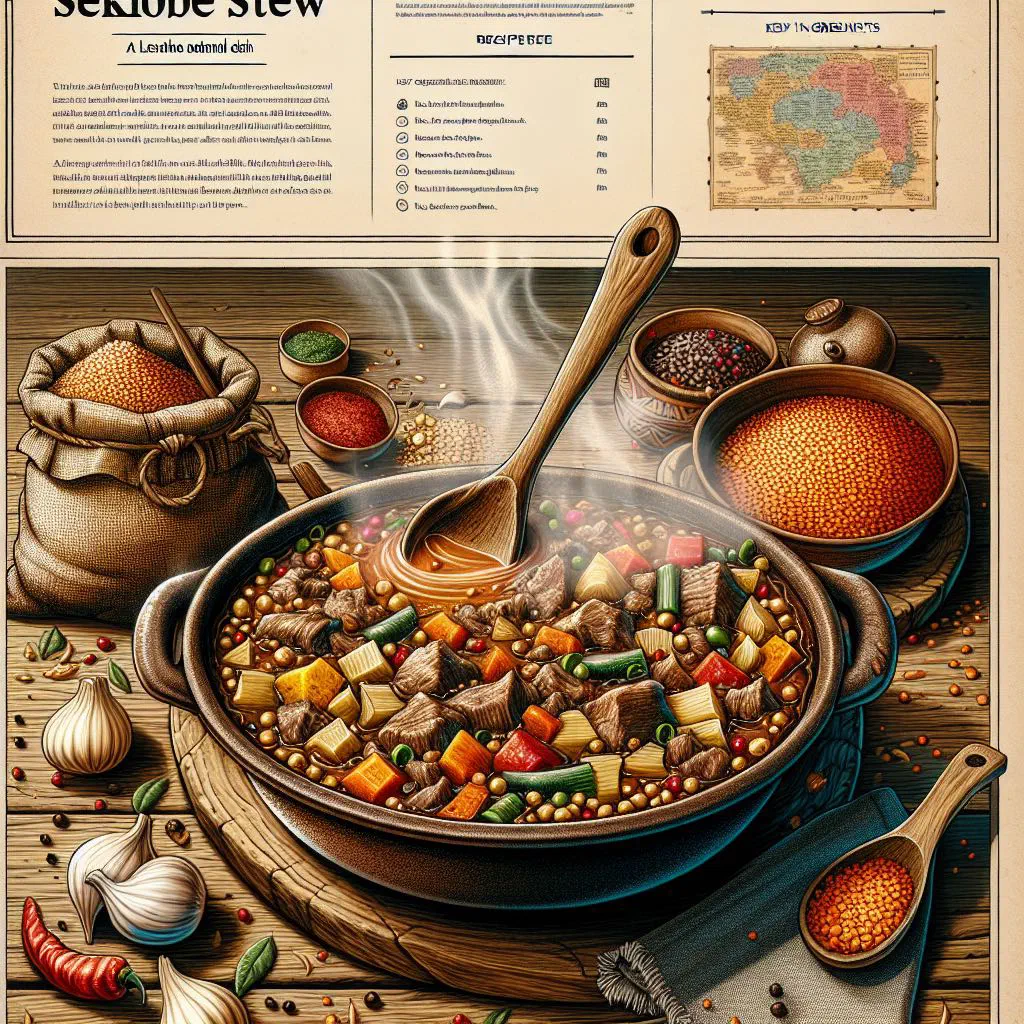
Discover Sekhobe stew, a hearty and heart-warming classic from the mountain kingdom of Lesotho. Tender chunks of meat simmer slowly with fresh vegetables and warming spices until everything melts together into a rich, satisfying bowl. Nourishing and full of flavour, it is the kind of dish that brings people together around the table, whether for a relaxed family supper or a special celebration. Bring a taste of Basotho tradition straight to your own kitchen.
About Sekhobe Stew
Sekhobe stew has a long tradition in Lesotho and remains a firm favourite in many homes. It is often served at family gatherings and special occasions, prized for being both nourishing and delicious. The preparation does take a little time, but the effort is well and truly worth it.
Ingredients (serves 1–2)
- 300 g beef or lamb, cubed
- 2 carrots, sliced
- 1 onion, chopped
- 2 cloves of garlic, finely chopped
- 1 pepper, diced
- 1 potato, diced
- 1 litre vegetable or meat stock
- 2 tablespoons vegetable oil
- 1 teaspoon cumin
- 1 teaspoon paprika
- Salt and pepper to taste
- Fresh herbs to garnish (such as parsley)
Shopping for the ingredients
Before you begin preparing Sekhobe stew, make sure you have all the fresh ingredients to hand. A local butcher is the best place to buy good-quality meat. Try to favour regional and seasonal produce, as it tends to be fresher and more flavoursome. It is also worth visiting local markets for fresh vegetables and herbs, which will give your dish the very best flavour.
Preparing the dish
Preparing Sekhobe stew is straightforward, though it does need a little time for the flavours to develop fully. Start by cutting the meat into even cubes and getting all the vegetables ready. Good preparation makes the cooking process much easier. Have all your ingredients ready in separate bowls so you can work efficiently and quickly once the cooking begins.
Step-by-step instructions
- Heat the vegetable oil in a large pot and fry the onions until golden brown.
- Add the meat and brown it well on all sides.
- Stir in the garlic, cumin and paprika and fry briefly.
- Add the vegetables (carrots, pepper and potatoes) and mix well.
- Pour in the stock and bring everything to the boil. Reduce the heat and let the stew simmer for about 45 minutes.
- Season with salt and pepper and garnish with fresh herbs as you like.
Gluten-free / lactose-free version
Sekhobe stew is naturally gluten-free and lactose-free, as long as you choose stocks that do not contain these ingredients. Use a vegetable stock or a clear meat stock free from any gluten-containing additives. This makes the dish ideal for anyone with the relevant intolerances. Careful ingredient selection means everyone can enjoy this delicious meal.
Tips for vegans and vegetarians
For a vegan or vegetarian version of Sekhobe stew, you can replace the meat with protein-rich alternatives such as chickpeas, lentils or soya chunks. In that case, the stock should be entirely plant-based too. The remaining ingredients stay the same, and you still get a hearty stew that captures the flavours of Lesotho. It is a wonderful way to adapt this traditional dish to suit different diets, much like a comforting Dinawa Stew or a warming bowl of Lesotho Beans Stew.
More tips and tricks
To deepen the flavour of your Sekhobe stew, try experimenting with different spices. Fresh ginger or chilli, for example, will lend the dish an extra kick of heat. Let the stew rest for a few hours or overnight after cooking so the flavours can develop more fully. This is a simple yet effective trick for making your stew even more delicious.
Adapting the recipe to your taste
Everyone has different tastes, and that is one of the joys of Sekhobe stew. It adapts beautifully. Feel free to swap the vegetables or spices to suit your own preferences. If you are not keen on cumin, for instance, try thyme or oregano instead. This way you create a dish that fits your personal taste perfectly while still respecting its culinary traditions.
Ingredient substitutions
If some ingredients are hard to source, you can easily find alternatives. Instead of beef or lamb, you might use chicken to create a lighter version of the stew, as in Maluti Chicken. Vegetables such as parsnips or squash make a lovely substitute for the classic ingredients while offering new flavours.
Drink pairing ideas
A hearty dish like Sekhobe pairs wonderfully with a robust drink. A cool, dark beer or a fruity red wine complements the flavour of the spices perfectly. Alternatively, non-alcoholic options such as homemade lemonade or a refreshing fruit tea make ideal companions. Choose the drink that best suits your preferences and the occasion.
Serving and presentation ideas
First impressions count, and that goes for food too. Serve Sekhobe stew in a beautiful bowl or a rustic pot to create an inviting atmosphere. Fresh herbs as a garnish add extra colour and freshness. Round off the dish with crusty Basotho Bread or a simple salad to create a complete meal.
A bit of history
Sekhobe stew is a piece of Lesotho’s culture and history. The traditional method of preparation reflects the way of life and resources of its people. In rural regions especially, great value is placed on using local ingredients, which makes the dish particularly authentic. It is a fine example of how food can tell stories and keep traditions alive, a hallmark of Lesotho cuisine.
More recipe ideas
Summary: Sekhobe Stew
Be creative with Sekhobe stew, whose rich flavours and simple preparation make it a perfect dish for any occasion. Whether as a tasty family meal or at special celebrations, this traditional dish will pleasure your guests. Make the most of its many possibilities for adaptation to tailor the recipe to your own preferences. Enjoy a taste of Lesotho and let the flavours of African cuisine work their magic.