National Dish Lesotho: Sephaphatha (Recipe)
In this article
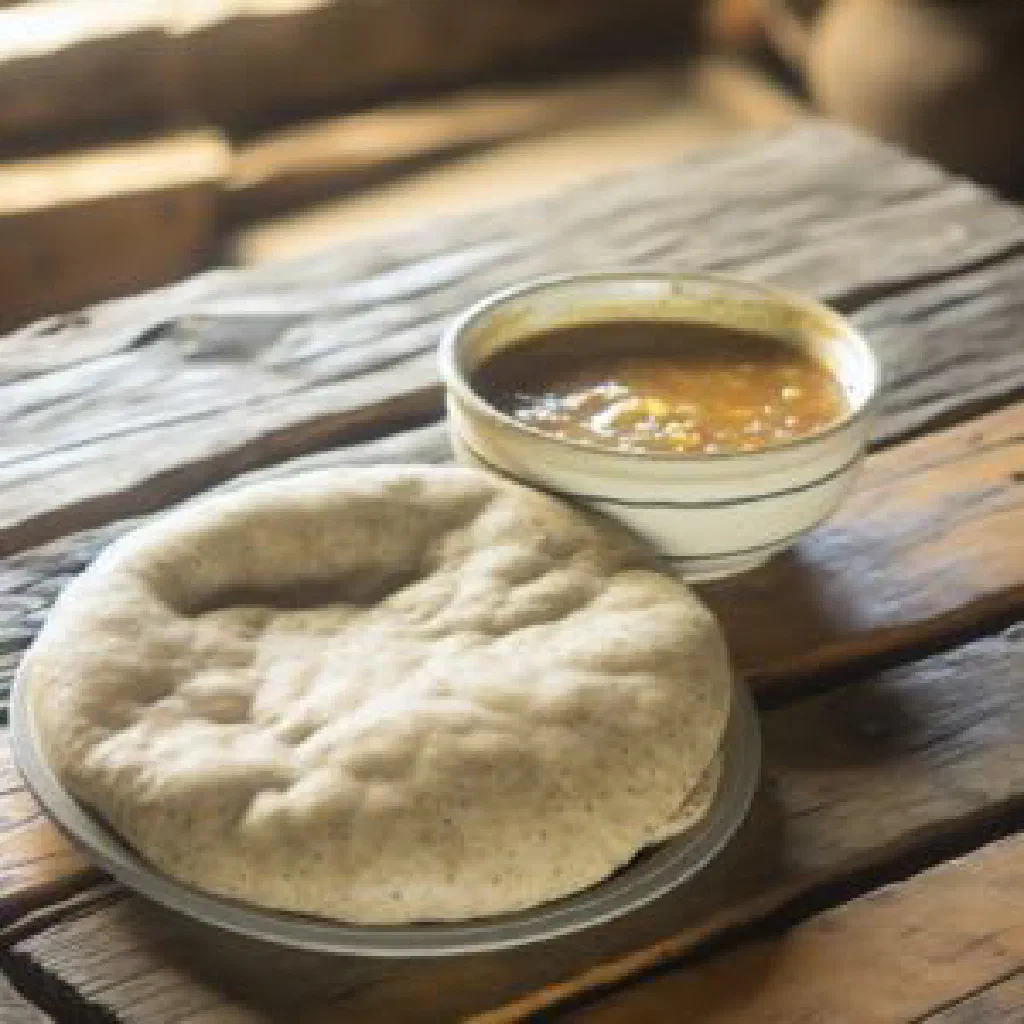
Meet Sephaphatha, the humble steamed bread that has fed generations across the mountain kingdom of Lesotho. Made from just a handful of pantry staples, it turns flour and water into something wonderfully soft and satisfying. The gentle steaming keeps the crumb moist and tender, making it the perfect partner for hearty stews or a comforting bite all on its own. Simple, honest and deeply rooted in tradition, this is home cooking at its most heartwarming.
About Sephaphatha
Sephaphatha is a beloved steamed bread found right across Lesotho. It is a simple yet nourishing dish, built from very few ingredients while still offering a lovely depth of flavour. The distinctive cooking method keeps the bread soft and moist, which is exactly why it has become such a favourite alongside so many meals. Sephaphatha brings a genuine taste of Basotho tradition to the table.
Ingredients (serves 1–2)
- 2 cups flour
- 1 cup water
- 1 teaspoon salt
- 1 tablespoon oil (optional)
Shopping for the ingredients
Making Sephaphatha calls for only a few simple ingredients, all of which are easy to find in any supermarket. When buying your flour, choose a good-quality variety to get the very best result. If you have particular dietary needs, such as following a gluten-free diet, you can happily consider alternative flours instead. The salt is crucial to the flavour, so measure it carefully and use neither too much nor too little.
Preparing the dish
Getting Sephaphatha ready is straightforward and fuss-free. Begin by laying out all your ingredients and making sure you have the right kit to hand, such as a steamer basket or a large pot. Good organisation matters here, especially if you are cooking several dishes at once. Be sure to allow enough time, too, so the dough can rest comfortably before it goes on to cook.
Step-by-step instructions
- In a bowl, mix the flour with the salt.
- Slowly add the water while kneading the dough, until it comes together with a smooth consistency.
- Cover the bowl with a cloth and leave the dough to rest for about 30 minutes.
- Shape the dough into a flat round and place it in a steamer basket or on a piece of baking paper.
- Bring water to the boil in a large pot and steam the bread for around 30–40 minutes, until cooked through.
- Carefully lift the bread out of the steamer and let it cool briefly before serving.
Gluten-free / lactose-free version
For a gluten-free version of Sephaphatha, simply swap the wheat flour for a gluten-free blend based on rice flour or maize flour. It is worth finding the right mix to achieve the consistency you are after. As for a lactose-free variant, no special adjustment is needed at all, since the recipe relies mainly on flour and water. Always check the ingredient labels of anything you use, just to be sure it suits your requirements.
Tips for vegans and vegetarians
Sephaphatha is naturally vegan and vegetarian. It contains no animal products whatsoever, so you can tuck in with complete peace of mind. To add an extra layer of flavour, try working herbs or spices into the dough. This gives the bread a lovely character and makes it all the more interesting for anyone following a plant-based way of eating.
More tips and tricks
To get the best out of your bake, keep a few handy tips in mind. Make sure the steamer basket is well positioned so the steam can circulate evenly around the bread. A steady, well-topped-up steam cooks faster and helps the loaf cook through uniformly. Experiment with different cooking times to land on the exact consistency that suits your taste.
Adapting the recipe to your taste
The flexibility of Sephaphatha means it is easy to tweak to your own preferences. Fancy something with a bit more punch? Add chilli or spices to give the bread some kick. If you prefer a sweeter note, work a little sugar or honey into the dough. In this way you can shape Sephaphatha exactly to your liking and try out endless variations. It sits happily alongside a comforting bowl of Papa or a rich Dinawa Stew.
Ingredient substitutions
There are plenty of ingredient alternatives you can call on for your Sephaphatha. For instance, the wheat flour can be swapped for spelt flour, which lends the bread a hearty, wholesome flavour. Feel free to experiment with other flours such as buckwheat or chickpea flour, too. Just be sure to adjust the amount of liquid accordingly, as different flours absorb water at different rates, the same care that pays off when making Basotho Bread.
Drink pairing ideas
Sephaphatha pairs beautifully with a whole range of drinks. A refreshing herbal tea or a traditional lemonade goes perfectly with this hearty bread. For those who prefer something alcoholic, a light red wine or a fizzy drink works nicely, or you might reach for a glass of home-brewed Basotho Ale. Whatever you choose, aim for a drink that best complements the flavour of the bread.
Serving and presentation ideas
Presentation can lift the enjoyment of Sephaphatha no end. Serve the bread on a rustic wooden board and garnish it with fresh herbs or edible flowers. A handsome serving platter dotted with various dips and sides makes the dish even more inviting. Remember that the way you arrange the food leaves a lasting impression on your guests and helps make the whole experience memorable.
A bit of history
Sephaphatha is closely bound up with the culture and traditions of Lesotho. It has a long history and is often served at festive occasions or family gatherings. Preparing this bread is not merely a culinary exercise but also a shared activity that brings people together. In this way Sephaphatha is cherished not only as a food but as a symbol of community and tradition, much like other cornerstones of Lesotho cuisine.
More recipe ideas
Summary: Sephaphatha
In short, Sephaphatha is a simple yet tasty dish that carries real cultural significance in Lesotho. With its versatile preparation and easy adaptations, it is ideal for any occasion. Whether it forms part of a festive celebration or is a quick midweek meal, Sephaphatha deserves a place in your kitchen. Let its traditions inspire you and savour this delicious Basotho bread.