National Dish Liberia: Achieke (Recipe)
In this article
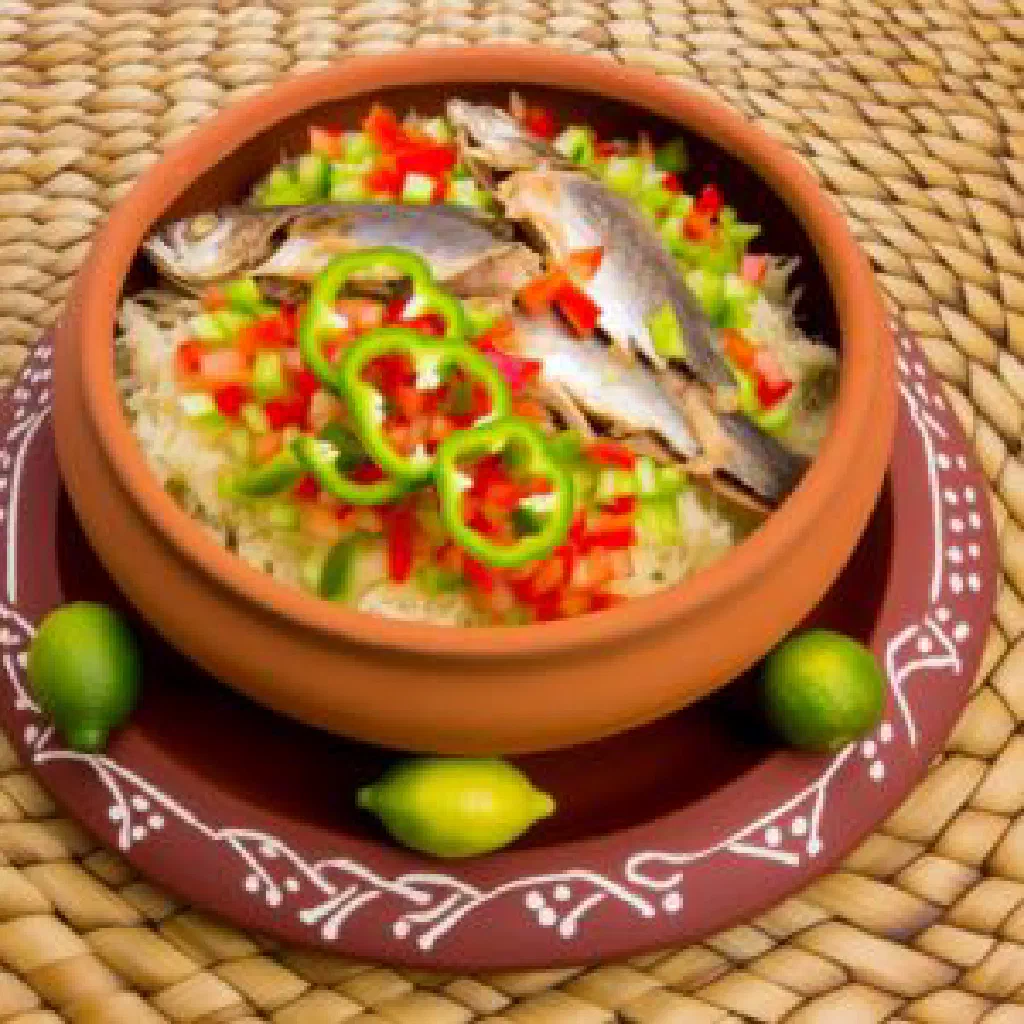
Meet Achieke, a West African staple made from fermented cassava that has long been part of everyday cooking in Liberia. Light, faintly tangy and wonderfully filling, it is the sort of dish that soaks up a spicy sauce beautifully and never feels heavy. A handful of onions, tomatoes and chillies is all it takes to turn a simple root crop into something memorable, and the whole thing comes together in well under half an hour.
About Achieke
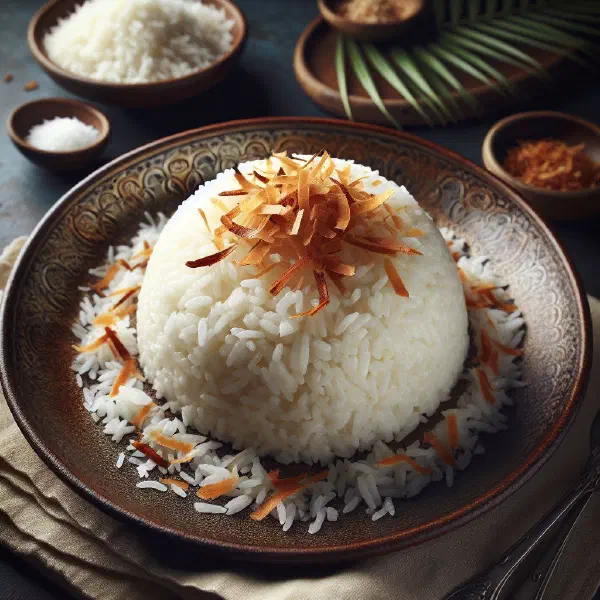
Achieke is a traditional dish from Liberia made from fermented cassava. It sits comfortably with modern eating habits while carrying a long history in African cooking. Thanks to its nourishing qualities and its distinctive flavour, achieke is a culinary experience that appeals to locals and visitors alike. It is often served with spicy sauces and fresh vegetables, which round off the taste beautifully, much as a bowl of Pepper Sauce does alongside almost any Liberian plate.
Ingredients (serves 1–2)
- 150 g fermented cassava (achieke)
- 250 ml water
- 1 onion, chopped
- 1 tomato, diced
- 2–3 chillies, to taste
- Salt and pepper
- Oil for frying
Shopping for the ingredients
To make achieke you will want to pick up the ingredients at a nearby grocery shop or an African market. Fermented cassava is often sold in specialist shops, as it is a central component of many African dishes. When shopping, look for fresh vegetables to get the most out of the flavour and freshness of the finished dish. Choosing good-quality ingredients makes a considerable difference to the eating experience.
Preparing the dish
Before you start cooking achieke, it is important to get all the ingredients ready. Begin by rinsing the fermented cassava thoroughly and soaking it in water so that it softens. Chop the vegetables, particularly the onions, tomatoes and chillies, into small pieces so they cook quickly and evenly. Careful preparation is decisive for getting the best out of this delicious dish.
Step-by-step instructions
- Drain the fermented cassava well, then bring it to the boil in a pan of water.
- Reduce the heat and let the cassava simmer for about 15 minutes, until soft.
- Heat a little oil in a frying pan and sauté the onions until translucent.
- Add the tomatoes and chillies and fry everything together for a further 5 minutes.
- Tip the cooked cassava into the pan and mix everything through well.
- Season with salt and pepper and serve immediately.
Gluten-free / lactose-free version
Achieke suits a gluten-free and lactose-free diet exceptionally well. Since the main ingredient is fermented cassava, which is naturally gluten-free, this dish is a great option for anyone with coeliac disease or lactose intolerance. Simply make sure the remaining ingredients are lactose-free too, so the whole plate matches your dietary needs.
Tips for vegans and vegetarians
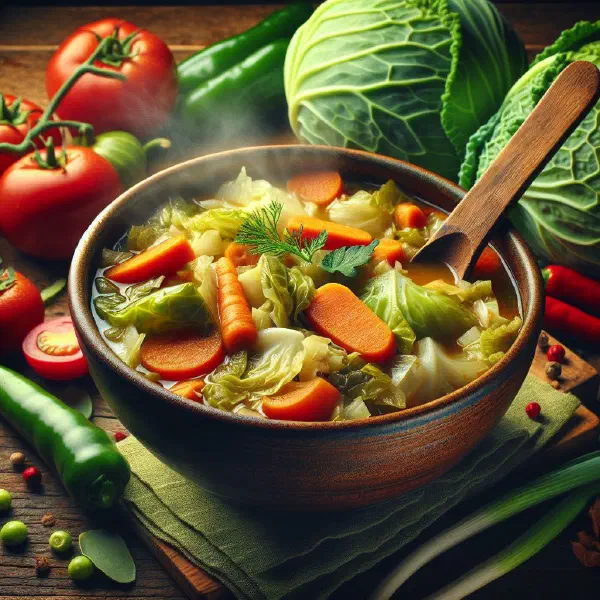
Achieke is naturally vegan and vegetarian, as it contains no animal products at all. Vegans may like to round it out with a selection of fresh vegetables or even tofu for extra flavour and nutrients. Experiment with different vegetables and spices to make the dish your own, a spoonful of Vegetable Stew on the side works particularly well. That way you can create your own plant-based variations of achieke.
More tips and tricks
To make achieke even tastier, you can add extra ingredients or seasonings. Herbs such as coriander or parsley, for example, lend the dish a fresh note. Adding nuts or seeds can create an interesting texture as well. It pays to experiment as you cook and let your own palate guide you.
Adapting the recipe to your taste
Everyone has different preferences when it comes to flavour and texture. If you would like a milder dish, simply cut back on the chillies. Keen cooks can try additional spices such as ginger or garlic to build more depth.
Ingredient substitutions
If you do not have every ingredient to hand, here are a few alternatives worth considering. Sweet peppers can stand in for chillies, for instance, adding a little sweetness without the heat. For a different flavour direction you might also try various herbs in place of onions. Just make sure the substitutions work together so the finished dish stays harmonious.
Drink pairing ideas
Light, refreshing drinks go excellently with achieke. A chilled non-alcoholic option such as Chilled Ginger Beer or home-made Hibiscus Tea complements the flavours of the dish perfectly. If you would prefer to serve alcohol, try a fruity beer or a light white wine. The right drink does a great deal for the overall mood of the meal.
Serving and presentation ideas
Presentation matters almost as much as flavour. Serve achieke on a colourful plate and garnish it with fresh herbs or edible flowers. Distinctive serving utensils can also make the dish more interesting to look at. To impress your guests, arrange the side dishes in small bowls. It makes for a very appealing spread.
A bit of history
Achieke has its roots in the long-standing cooking traditions of West Africa, where fermenting cassava is a common way of preserving this nutrient-rich root. The dish is valued across many West African countries and has grown over the years into a much-loved part of Liberian culture. Achieke also reflects the importance of local ingredients and traditional methods that remain central to Liberian cuisine and to the wider African diaspora.
More recipe ideas
Summary: Achieke
To sum up, achieke is a delicious dish and a piece of culture and tradition from Liberia. With its nourishing base of fermented cassava and the freedom to adapt it to all sorts of tastes, achieke is a genuine must-try for anyone keen to explore African cooking. Experience the aromas and the variety of this distinctive dish and bring a little West African cooking into your own kitchen. Enjoy both the making and the eating, ideally with friends and family.