National Dish Liberia: Attieke with Fried Fish (Recipe)
In this article
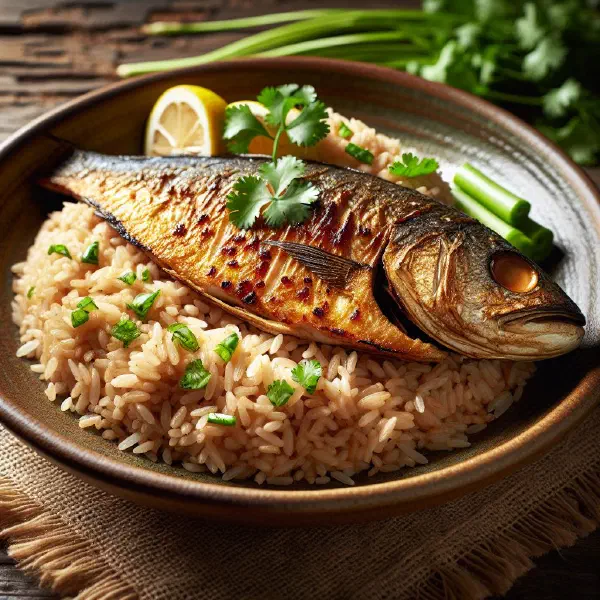
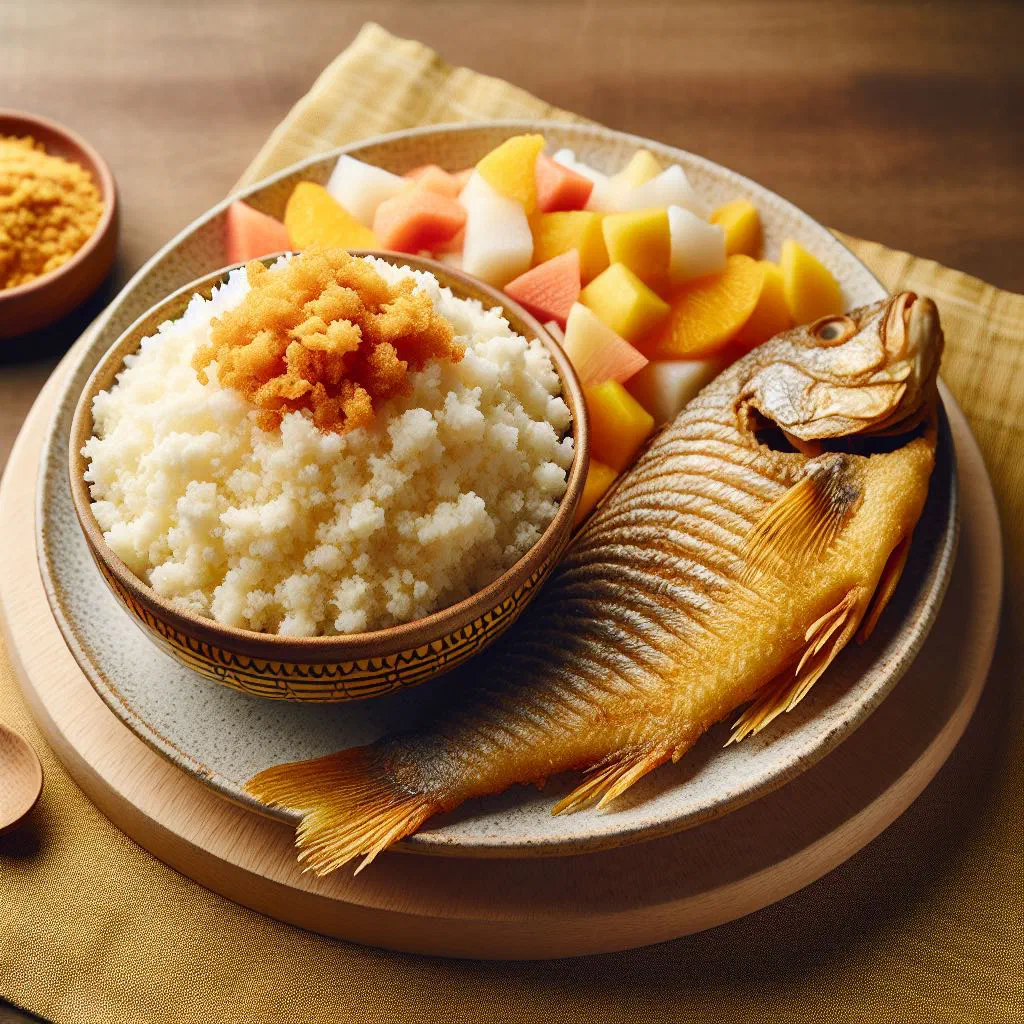
Meet Attieke with Fried Fish, a West African classic that has become a firm favourite on Liberian tables. Light, nutty grains of fermented cassava sit beneath a whole fish fried until the skin crackles, with sharp lime and a fiery pepper sauce tying it all together. It is simple, generous food, the kind of plate that turns an ordinary evening into something worth lingering over.
About Attieke with Fried Fish
Attieke with fried fish is a traditional Liberian dish that captures the subtle depth of West African cooking. It brings together fermented cassava, known as attieke, and freshly fried fish, generally seasoned with a confident hand. The interplay of nutty and savoury flavours makes it a pleasure for locals and visitors alike. Served with a hot pepper sauce, every mouthful becomes a small explosion of flavour.
Ingredients (serves 1–2)
- 250 g attieke (fermented cassava)
- 2 fresh fish, such as tilapia or mackerel
- 2 tablespoons vegetable oil
- 1 onion, sliced into rings
- 1 teaspoon paprika
- Salt and pepper to taste
- 1 lime
- Hot pepper sauce of your choice
Shopping for the ingredients
If you are keen to start cooking attieke with fried fish, the first step is shopping for the ingredients. Look for fresh fish at your local market or a fishmonger you trust. Pay attention to the quality of the cassava, as fresh attieke has a distinctive flavour and a pleasant texture. Do not forget the spices and the pepper sauce that give the finished plate its final flourish, a good homemade Pepper Sauce is well worth the effort.
Preparing the dish
The preparation for attieke with fried fish does not take long, but it makes all the difference to the result. Start by cleaning the fish thoroughly and removing the scales. Then marinate it with lime juice, salt and pepper to draw out the flavours. While that sits, you can get the attieke ready by lightly frying or steaming it until it is hot and fluffy.
Step-by-step instructions
- Clean the fish thoroughly and leave it to marinate.
- Steam or fry the attieke in a lightly greased pan.
- Heat the vegetable oil in a frying pan and fry the marinated fish until golden brown.
- Fry the onion rings in the same pan until soft.
- Arrange the attieke on a plate, lay the fried fish on top and garnish with the onions.
- Serve with hot pepper sauce and lime wedges.
Gluten-free / lactose-free version
One of the great advantages of attieke with fried fish is that the dish is naturally gluten-free and lactose-free. The main ingredients, attieke and fish, contain no hidden sources of gluten and no dairy at all. That makes it an excellent option for anyone with food intolerances. Enjoy it without a second thought and discover the flavours of West Africa.
Tips for vegans and vegetarians
For a vegan or vegetarian version of attieke, swap the fish for fried or grilled vegetables. Aubergine, courgette and peppers all sit happily alongside the cassava. Use the same marinating techniques and spices to build up the flavour. With this adjustment, vegetarians and vegans can enjoy the dish just as much as anyone else, much like a hearty Vegetable Stew.
More tips and tricks
To get the most out of your plate, a few tips and tricks go a long way. Use fresh herbs such as coriander or parsley for an extra aromatic lift. Take care not to overcook the attieke so its delicate texture survives. Experiment with different side dishes, such as Fried Plantains or a crisp salad. Variations like these can improve the eating experience considerably.
Adapting the recipe to your taste
The recipe for attieke with fried fish is easily tailored to personal preference. If you prefer milder flavours, reduce the amount of pepper sauce or leave it out altogether. Reach instead for spices such as turmeric or cumin to give the dish a new character. The choice of fish can vary too, depending on what looks best at the counter and what you fancy on the day.
Ingredient substitutions
If certain ingredients are hard to track down, there are several alternatives to fall back on. In place of attieke you can use polenta or couscous, though the flavour will be different. Different fish such as trout or cod also add variety, and a Catfish Stew shows just how well local fish takes to bold seasoning. Experiment with seasonal vegetables to keep the dish fresh and interesting.
Drink pairing ideas
To round off the experience of attieke with fried fish, choose your drinks with care. A cold beer is a wonderful companion to the savoury flavours of the dish. Alternatively, iced tea or a fruity lemonade will balance the spice nicely.
Serving and presentation ideas
Presentation plays an important part in the enjoyment of any meal. Serve attieke with fried fish on a colourful plate and garnish it with fresh herbs. Use lime wedges and bright vegetable sides to make the dish more appealing to the eye. A well-laid table and a relaxed atmosphere can lift the whole occasion.
A bit of history
The roots of attieke reach deep into Liberian culture, and the dish has established itself in countless households over the years. It is often served at festivals and special occasions, standing as a sign of hospitality and togetherness. Fermented cassava has a long tradition across West Africa and makes an excellent staple food, as dishes like Cassava Leaf also show. The dish reflects the agricultural variety and the culinary customs of Liberian cuisine.
More recipe ideas
- Grilled Fish with Pepper Sauce
- Fried Plantain Chips
- Jollof Rice
- Fried Yam
- Chicken in Peanut Butter Sauce
Summary: Attieke with Fried Fish
Attieke with fried fish is a powerful dish that captures the flavours of Liberia perfectly. Its combination of fermented cassava and fresh fish wins over almost everyone and suits a wide range of diets. This dish is an invitation to get cooking. Enjoy the flavours and the culture of Liberia by making this wonderful plate in your own kitchen.