National Dish Liberia: Bitterball Stew (Recipe)
In this article
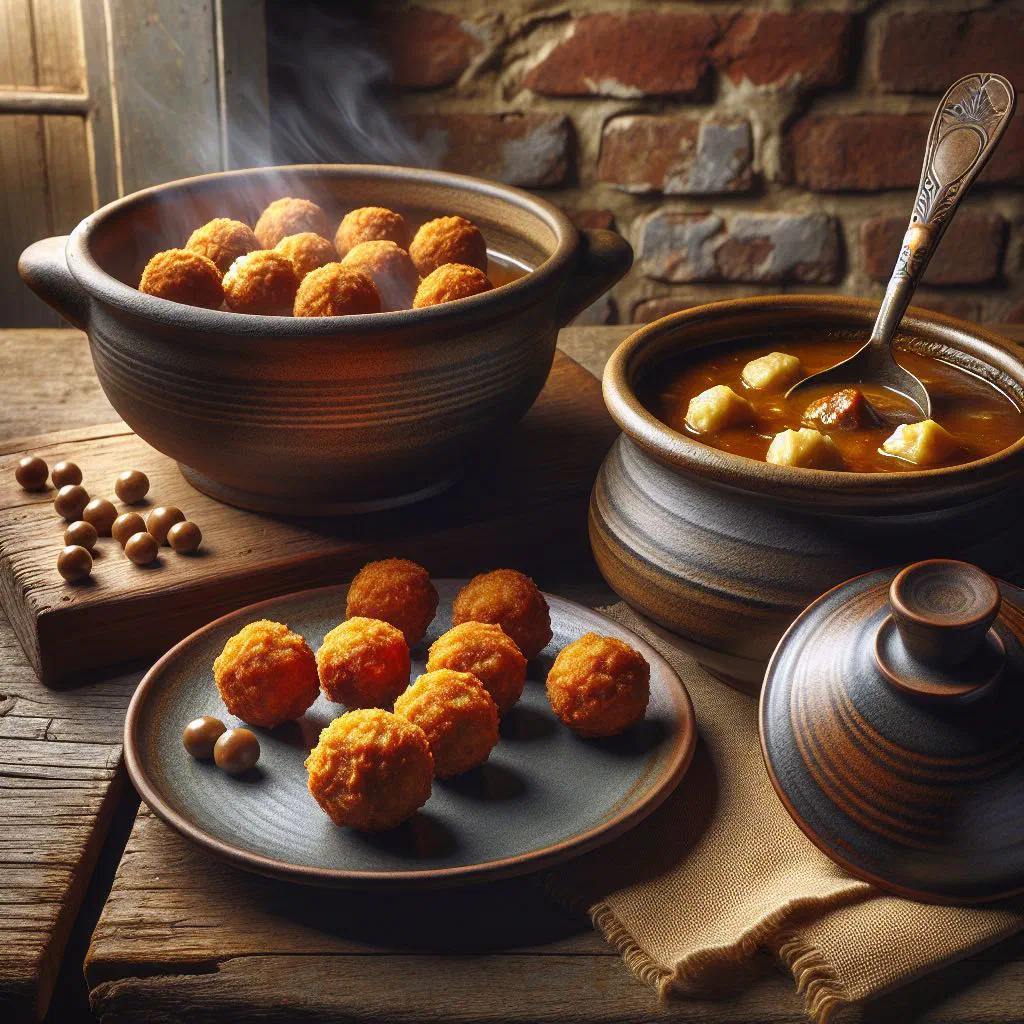
Meet Bitterball Stew, a slow-simmered West African classic that turns a handful of humble ingredients into something deeply comforting. Tender pieces of meat, sweet vegetables and a rich, glossy sauce come together over a gentle heat, seasoned just enough to let the gentle bitterness of the garden egg shine through. It is the kind of pot that fills a kitchen with warmth and brings everyone to the table.
About Bitterball Stew
Bitterball Stew is a traditional dish from Liberia, prized for its savoury depth and its wonderfully flexible preparation. It combines tender morsels of meat with fresh vegetables in a generous sauce lifted by a distinctive blend of spices. That combination gives the stew a flavour that feels both homely and special, which is why it appears at family meals and festive gatherings alike. Below you will find everything you need to know about making it and about the aromas that make this dish such a highlight.
Ingredients (serves 1–2)
- 200 g beef or chicken
- 1 onion
- 2 carrots
- 1 pepper
- 2 cloves of garlic
- 400 ml vegetable or chicken stock
- 2 tablespoons vegetable oil
- Spices to taste (pepper, bay leaf and so on)
Shopping for the ingredients
For a good Bitterball Stew, it pays to choose fresh, high-quality ingredients. Visit a local market or an organic grocer to find the best produce. Bear in mind that the cut of meat you pick has a considerable influence on the finished flavour. Where possible, buy regional meat: it is fresher and it supports local producers.
Preparing the dish
Before you start cooking, it helps to have everything ready. That means cutting the meat into small pieces and dicing the vegetables. Cut the vegetables to an even size so that everything cooks at the same rate. Measure out the spices in advance too, so you can reach for them quickly once the pot is going, the same unhurried approach that makes a good Vegetable Stew work so well.
Step-by-step instructions
- Heat the vegetable oil in a large pan over a medium heat.
- Add the onion and garlic and fry until golden brown.
- Add the meat and brown it all over.
- Stir in the chopped vegetables and fry briefly.
- Pour in the stock and bring everything to the boil.
- Lower the heat and let the stew simmer for about 30 minutes.
- Season to taste and serve hot.
Gluten-free / lactose-free version
Bitterball Stew is naturally gluten-free and lactose-free, provided the stock and the spices you use are chosen accordingly. Check the labels carefully, especially if you are cooking for someone with an allergy, since stock cubes are a common hiding place for wheat. Fresh vegetables and good meat keep the dish wholesome and nourishing on top of that. Handled this way, every guest can enjoy it without worrying about intolerances.
Tips for vegans and vegetarians
For a vegan or vegetarian version, swap the meat for tofu or seitan and use vegetable stock. The vegetables can be adjusted freely, so feel free to build the pot around whatever is in season. A splash of soy sauce or a handful of robust herbs adds extra savoury depth in place of the meat. Made this way, the stew is a treat for plant-based eaters as much as for meat lovers, much like a well-made Liberian Stewed Beans.
More tips and tricks
To make Bitterball Stew even more flavourful, play with contrasting aromas and textures. A pinch of cayenne pepper or a similar spice gives the pot a pleasant warmth without overwhelming it. Slow simmering is equally important, as it lets the flavours of every ingredient come fully into their own. Experiment with cooking times and spice choices until you land on your own perfect version.
Adapting the recipe to your taste
Everyone has different preferences, and Bitterball Stew takes to adaptation beautifully. Think about which vegetables you enjoy most and which spices you reach for again and again. Tailoring the recipe to your own palate can raise the whole experience considerably. Do not be shy about being creative and trying new combinations.
Ingredient substitutions
If you do not have certain ingredients to hand, there are plenty of alternatives. Instead of beef you might use chicken or even game, each of which brings its own character to the sauce. The vegetables leave just as much room for imagination, reach for seasonal produce or simply whatever is available, as you would when making Okra Stew. That flexibility keeps the dish varied and interesting rather than merely convenient.
Drink pairing ideas
A hearty dish like Bitterball Stew suits a range of drinks. A full-bodied red wine such as a Merlot or Cabernet Sauvignon complements its flavours neatly. Alternatively, serve a light beer or a soft drink such as fruity lemonade or sparkling mineral water; a chilled Hibiscus Tea is a lovely local choice too. Pick something that underlines the taste of the stew and makes the meal more enjoyable still.
Serving and presentation ideas
How you present Bitterball Stew can make a real difference to the pleasure of eating it. Serve it in decorative bowls or small pots that radiate warmth and comfort. A fresh sprig of herbs on top adds colour and pleases the eye. Fresh bread or steamed rice makes an ideal side, rounding off the presentation and creating an inviting overall picture.
A bit of history
Bitterball Stew has its roots in the kitchens of Liberia, a tradition rich in cultural influences that have grown together over centuries. Periods of scarcity and of plenty alike have shaped a wide range of recipes and cooking methods built around local ingredients. The result is a stew that is a pleasure to eat and a living link to the country’s history, a good doorway into Liberian cuisine as a whole.
More recipe ideas
Summary: Bitterball Stew
In short, Bitterball Stew is more than a hearty meal: it is a wonderful way to experience the flavours and traditions of Liberia. Tender meat, fresh vegetables and a robust sauce combine into something you will not forget in a hurry. Thanks to the flexibility of the recipe, you can shape it entirely around your own preferences. Give this delicious stew a try and bring a little West African hospitality to your table.