National Dish Liberia: Cassava Fish Gravy (Recipe)
In this article
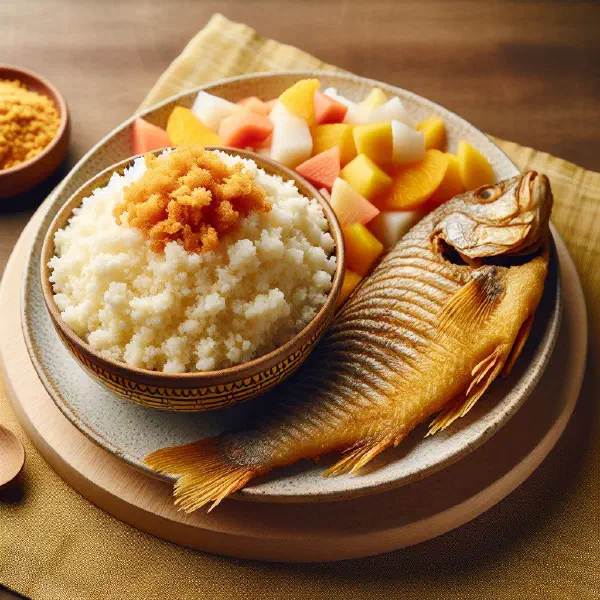
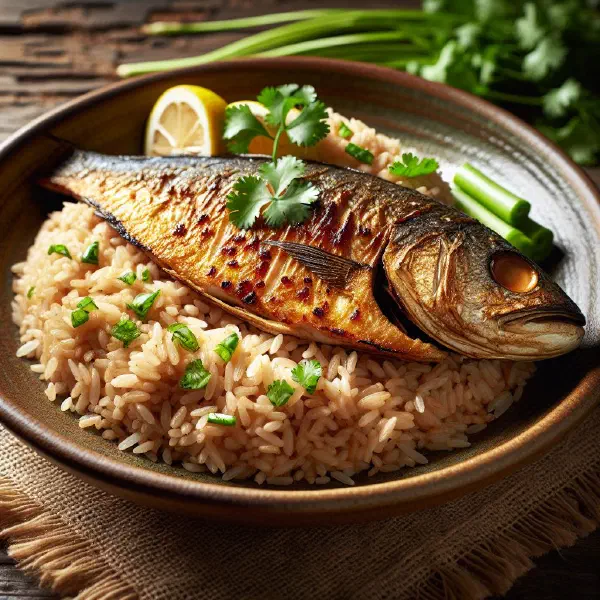
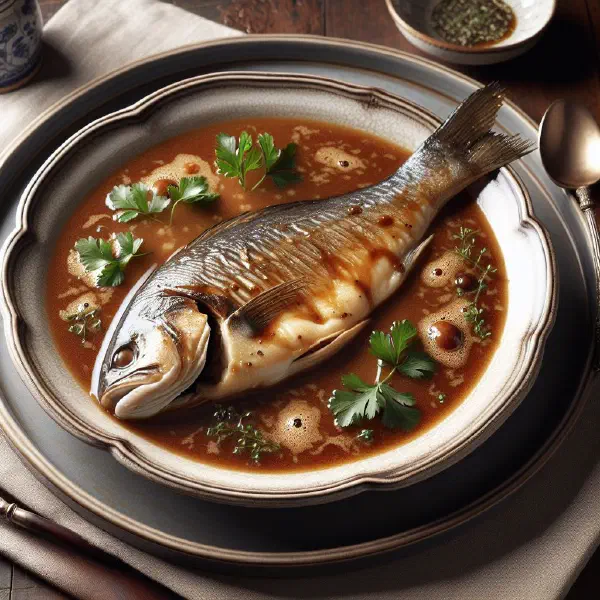
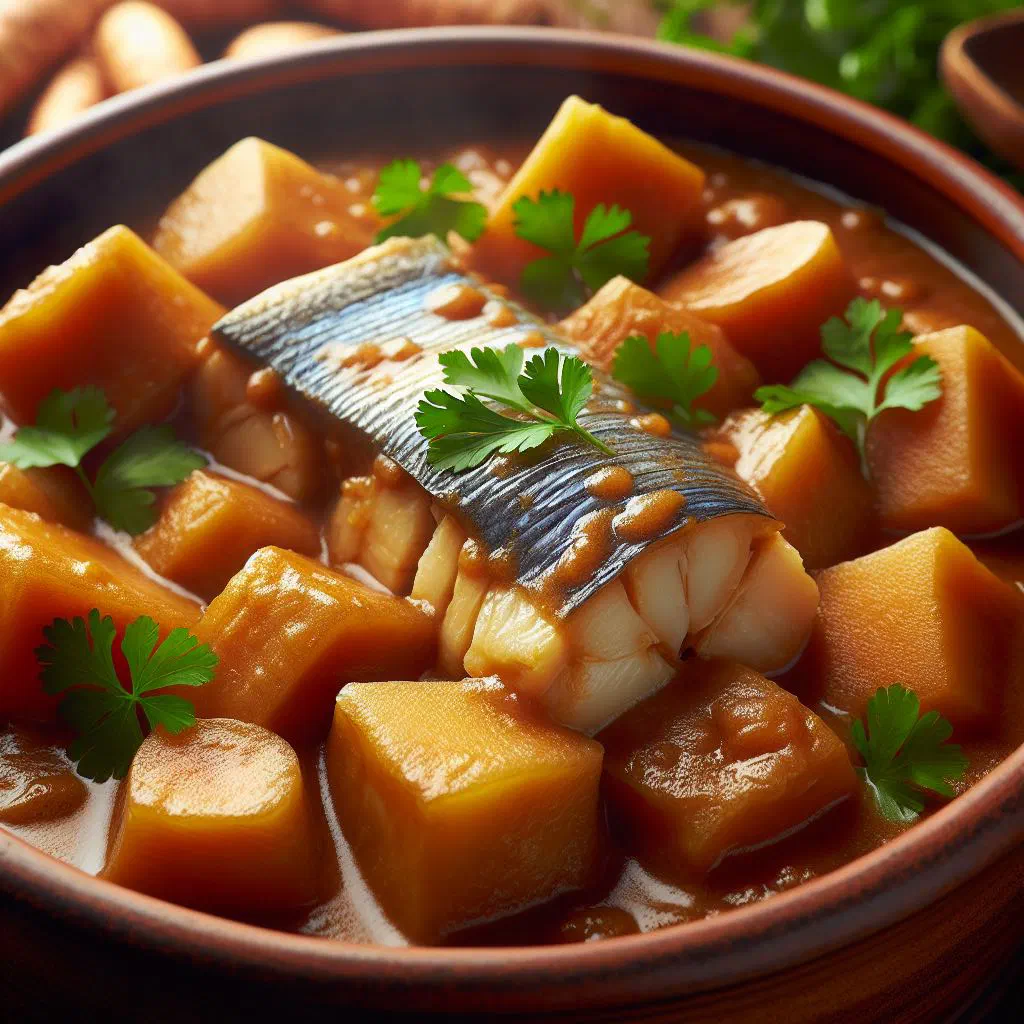
Few dishes capture the coastline and the farmland of Liberia in one bowl quite like Cassava Fish Gravy. Freshly caught fish meets the soft, starchy comfort of cassava root, all bound together in a gently spiced tomato gravy that tastes of home cooking rather than restaurant polish. It is filling, nourishing and genuinely simple to put together, a proper weeknight supper with a West African heart.
About Cassava Fish Gravy
The traditional dish Cassava Fish Gravy reflects the culinary variety of Liberia. It brings together freshly caught fish and the tender texture of cassava, a staple crop across much of West Africa. The aromatic sauce that completes the dish is usually generous with spices and herbs, giving it a flavour you will not mistake for anything else. It is delicious and nourishing and properly satisfying, which makes it a sound choice for any meal of the day.
Ingredients (serves 1–2)
- 300 g fresh fish (tilapia or catfish, for example)
- 250 g cassava
- 1 onion, diced
- 2 cloves of garlic, chopped
- 2 tomatoes, diced
- 1–2 chillies, to taste
- 1 teaspoon paprika
- Salt and pepper to taste
- 2 teaspoons vegetable oil
- Water as needed
Shopping for the ingredients
The ingredients for cassava fish gravy are available in most well-stocked supermarkets or at a local market. Fresh fish is best bought on the same day you plan to cook, so that the quality is at its peak. When choosing cassava, look for a root that feels firm and shows no damage or soft spots. Fresh spices and herbs are worth seeking out too, as they lift the aromas of the finished gravy considerably, the same principle applies when you shop for a Fish Palm Butter.
Preparing the dish
Before you start cooking, the ingredients need to be washed and prepared thoroughly. Fillet the fish and remove any remaining bones. The cassava has to be peeled and cut into small pieces so that it cooks through in good time. It also pays to chop the onion, garlic and tomatoes in advance, so the cooking itself runs smoothly from start to finish.
Step-by-step instructions
- Heat the oil in a large pan and fry the onion and garlic until golden brown.
- Add the diced tomatoes and the chillies and cook briefly until the tomatoes soften.
- Add the fish to the pan along with the seasonings — paprika, salt and pepper.
- Add the cassava pieces and cover with plenty of water. Bring to the boil, then simmer for at least 20 minutes until the cassava is tender.
- Lightly crush the cassava with a potato masher to reach a creamy consistency, then stir everything together well.
Gluten-free / lactose-free version
This recipe is naturally gluten-free and contains no dairy at all, which makes it well suited to anyone with a food intolerance. Do check that the spices you use are certified gluten-free, so the finished dish is safe as well as tasty. That way, people on a restricted diet can enjoy this hearty meal alongside everyone else at the table.
Tips for vegans and vegetarians
For vegans and vegetarians, cassava fish gravy is easy to adapt by swapping the fish for a plant-based protein. Tofu or chickpeas both work nicely and sit well in the sauce. Keep the spices and the tomato base much as they are so the full depth of flavour survives the change. You can also fold in a range of seasonal vegetables to boost the nutritional value, in the spirit of a Vegetable Stew.
More tips and tricks
To get the very best from your gravy, take the time to find the right balance of seasoning. Experiment with herbs such as parsley or coriander for an extra aromatic layer. The consistency of the sauce can vary a good deal depending on how thoroughly you mash the cassava, so trust your own judgement here. A little trial and error is all it takes to land on your perfect result.
Adapting the recipe to your taste
This dish is easy to bend towards your own preferences. Add more chilli if you like heat, or try different varieties of fish to change the character of the gravy. Bringing in further vegetables enriches the dish too, and a side of Fried Plantains turns it into a fuller spread.
Ingredient substitutions
If some of the ingredients prove hard to track down, there are plenty of workable alternatives. Cassava can be replaced with potatoes, although the texture and flavour will shift a little. For the fish, tinned or frozen products serve perfectly well depending on what is available to you. It is worth asking around local markets, which often stock good substitutes for West African staples.
Drink pairing ideas
A great many drinks go well with this gravy. A cold, fresh beer or a light white wine such as Sauvignon Blanc are popular companions to the dish. For an alcohol-free option, a sparkling lime water or a fruity iced tea both work beautifully, as does a chilled glass of Hibiscus Tea. These drinks sharpen the flavours and round the meal off nicely.
Serving and presentation ideas
The presentation can be every bit as appealing as the taste. Serve the dish in a deep bowl, garnished with fresh herbs and a wedge of lemon. Colourful vegetables on the side pick up the tones of the gravy and make the plate look inviting. A little thought in the arrangement turns the meal into something of an occasion.
A bit of history
The origins of cassava fish gravy reach deep into the history of Liberia, where fish has long been an essential part of the diet. Cassava, also known as manioc, plays a central role in many West African cultures and underpins much of Liberian cuisine. Historically the dish was passed down from generation to generation, and today it remains a favourite at family gatherings and celebrations alike. Cooking it brings together tradition and family in equal measure.
More recipe ideas
Summary: Cassava Fish Gravy
In short, cassava fish gravy is a delicious dish and a link to the rich culture and traditions of Liberia. The combination of fresh fish, cassava and an aromatic sauce delivers a distinctive eating experience that wins people over quickly. This dish has the potential to shine in an everyday kitchen and at a festive table alike. Let it inspire you and enjoy this nourishing, warming recipe.