National Dish Liberia: Cassava Pudding (Recipe)
In this article
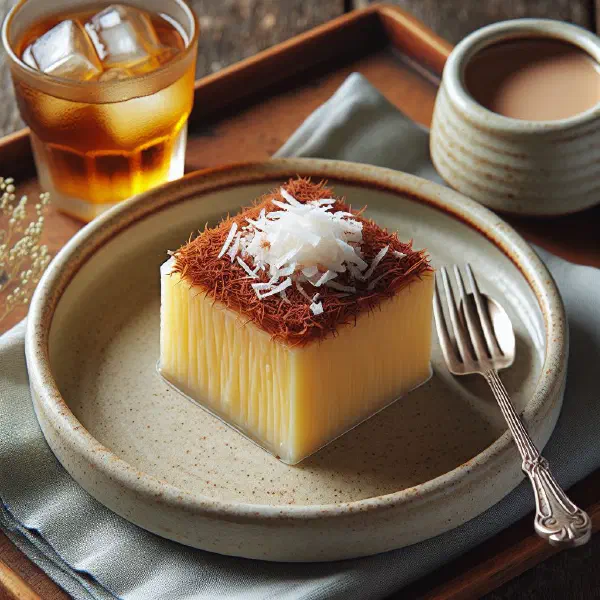
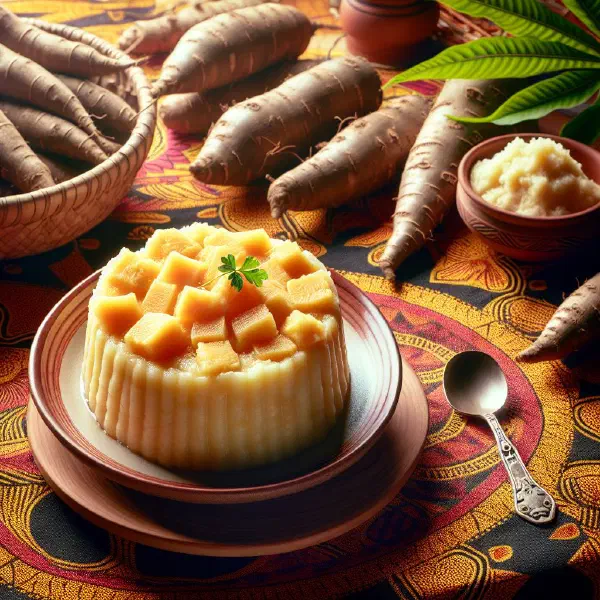
Discover Cassava Pudding, a creamy West African treat that turns humble cassava root into something quietly luxurious. Rich with coconut milk and gently sweetened, it sits somewhere between a dessert and a comforting bake, soft in the middle, lightly golden on top. It is simple to make, needs only a handful of ingredients, and brings a genuine taste of Liberia to your kitchen.
About Cassava Pudding
Cassava Pudding is a traditional dish from Liberia, prized for its creamy texture and the earthy, satisfying flavour of the cassava root. Making it is straightforward, and it is a lovely way to bring a piece of West African culture into your own cooking. The pudding is often served at celebrations and remains a much-loved recipe in Liberian households. With its distinctive balance of sweetness and savoury depth, it is a real treat for anyone willing to give it a go.
Ingredients (serves 1–2)
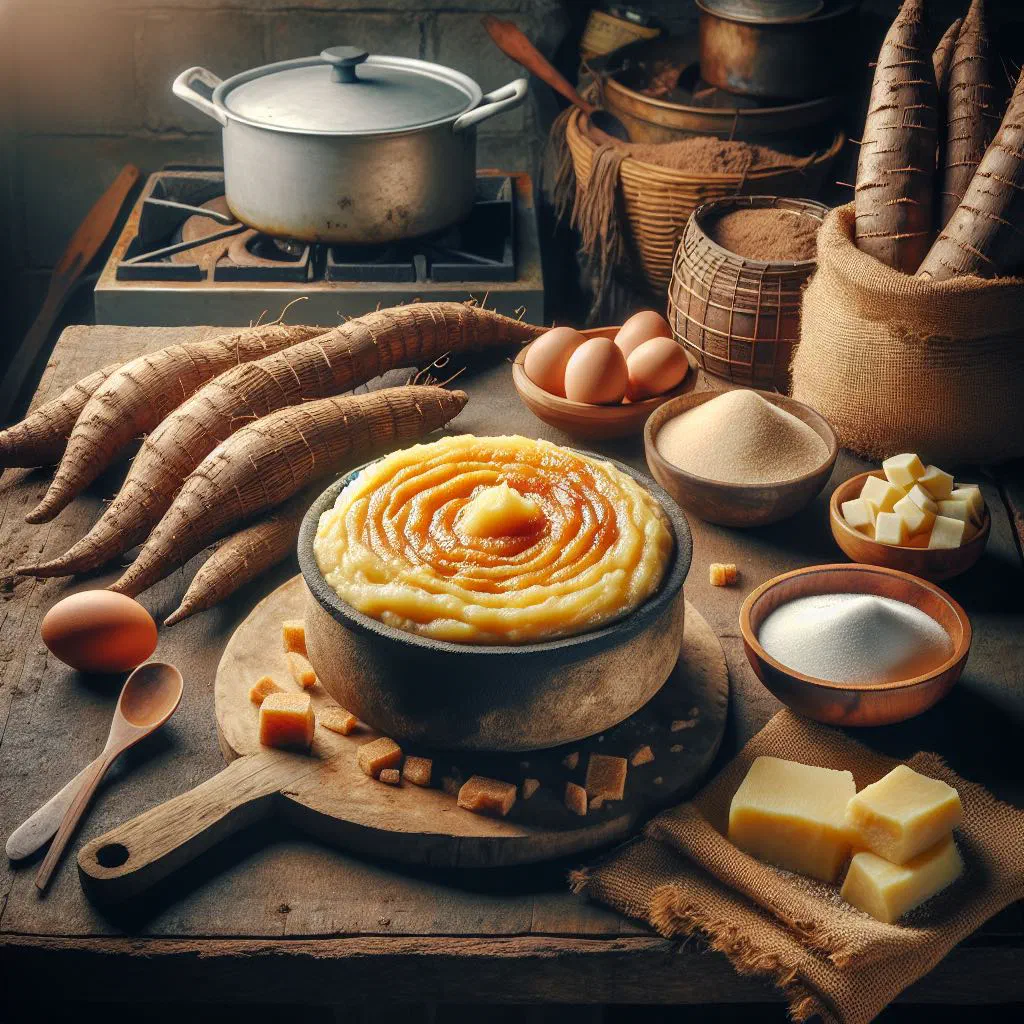
- 300 g fresh cassava root
- 100 ml coconut milk
- 2 tablespoons sugar (to taste)
- 1/2 teaspoon salt
- 1 teaspoon vanilla extract (optional)
Shopping for the ingredients
When shopping for cassava pudding, pay close attention to the freshness of the cassava roots. You will find them in most Asian and African grocery shops. Look for roots that feel firm and show no blemishes or soft patches. Coconut milk is stocked by nearly every supermarket, usually in the world foods aisle, and the remaining ingredients are easy enough to track down.
Preparing the dish
Good preparation is what allows the full flavour of cassava pudding to come through. Start by peeling the cassava roots, then grate or purée them. A box grater works perfectly well, though a food processor makes lighter work of it. A fine, even consistency is the key to a smooth pudding, so take your time at this stage.
Step-by-step instructions
- Rinse the peeled cassava roots thoroughly under cold water, then grate or purée them.
- Tip the grated cassava into a bowl and add the coconut milk, sugar, salt and vanilla extract.
- Mix everything well until you have a smooth, homogeneous batter.
- Pour the mixture into a greased baking dish and spread it out evenly.
- Bake in a preheated oven at 180°C for 30–40 minutes, until the surface is lightly golden brown.
Gluten-free / lactose-free version
Cassava pudding is naturally gluten-free and lactose-free, since cassava root contains no gluten whatsoever. Using coconut milk in place of dairy keeps it lactose-free too, much like the Coconut Rice that appears on so many Liberian tables. That makes it a perfect choice for anyone with an intolerance. Simply avoid adding extras that might reintroduce gluten or lactose, and the dish stays as pure as it should be.
Tips for vegans and vegetarians
Cassava pudding is an excellent example of a vegan dish. It contains no animal products at all and is packed with nourishing ingredients. Vegans may want to choose an unrefined sugar that has not been processed using animal products. That way anyone following a plant-based diet can enjoy the pudding to the full, without a single compromise.
More tips and tricks
To deepen the flavour of your cassava pudding, try adding warming spices such as cinnamon or nutmeg. They lend the dish a distinctive character and make it all the more moreish. It is also important to prepare the cassava correctly, as raw roots can contain harmful compounds. Always cook or bake them thoroughly so that any such substances are fully neutralised, the same rule applies when making Fried Cassava.
Adapting the recipe to your taste
The cassava pudding recipe is easy to adjust to personal preference. You might vary the sweetness, for instance, by adding more or less sugar. You can also give the pudding a nutty edge by folding chopped nuts through the mixture before baking. It is an enjoyable way to experiment and to discover the version that suits you best.
Ingredient substitutions
If you have no coconut milk to hand, other plant-based milks are worth experimenting with. Almond or soya milk both make a good base and will still produce a tasty pudding. The sugar can equally be swapped for honey or agave syrup if you prefer a more natural sweetener.
Drink pairing ideas
Several drinks round the dish off nicely. A refreshing tropical fruit smoothie pairs beautifully with cassava pudding and underlines its West African character. A cool lemonade or an unsweetened iced tea also makes a pleasant accompaniment, as does a chilled glass of Hibiscus Tea. These drinks are delicious in their own right and help the flavours of the pudding shine.
Serving and presentation ideas
Presentation is an aspect of eating that is often overlooked. Serve the cassava pudding in attractive dessert bowls and garnish it with fresh fruit, such as a slice of pineapple or mango. A sprig of mint or a scattering of edible flowers adds a lovely visual touch as well. Your dish will then be not only delicious but genuinely inviting to look at.
A bit of history
Cassava pudding has its roots in Liberian history and is prepared, in one form or another, across many African cultures. The cassava root has been a staple food in much of Africa for centuries, valued for its versatility and its nutritional density, the same root that gives us Fufu. Cassava pudding is not merely a popular dish but a symbol of cultural identity and community, and one of the cornerstones of Liberian cuisine.
More recipe ideas
Summary: Cassava Pudding
Cassava pudding is a delicious and nourishing dish that is as easy to make as it is representative of Liberian culture. With fresh ingredients and a little care in the preparation, this traditional recipe comes together in no time. It leaves plenty of room for creativity and for trying out different variations, which makes it an ideal choice for any occasion. Let it inspire you and bring a little West African flair to your own kitchen.