National Dish Liberia: Egusi Soup (Recipe)
In this article
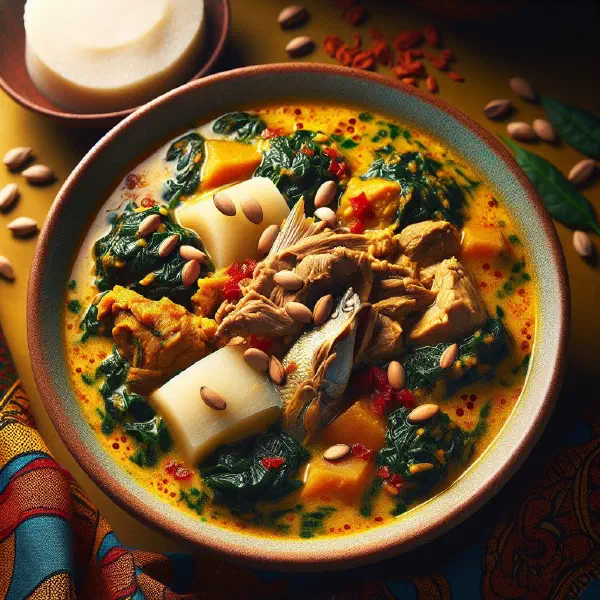
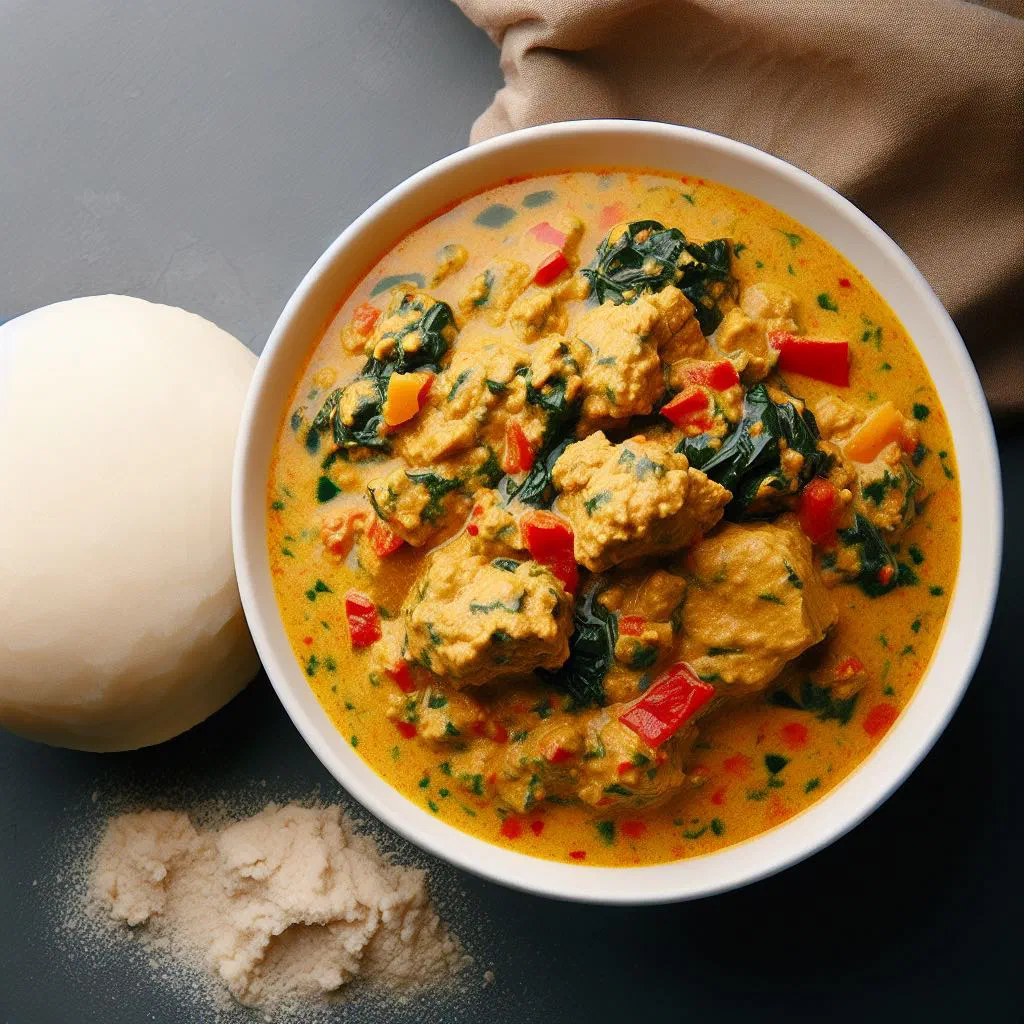
Discover Egusi Soup, one of Liberia’s great culinary treasures. Ground melon seeds thicken this rich, nutty soup into something wonderfully creamy, while fresh greens, tomatoes and warm spices bring it to life. It is the kind of generous, sociable dish that fills a table and brings people together, equally at home at a family gathering or a quiet supper. Bring a taste of West Africa into your own kitchen.
About Egusi Soup
Egusi Soup is a traditional dish held in high regard in Liberia and across much of West Africa. It is defined by its creamy texture and the unmistakable nutty flavour of the egusi seeds at its heart. The soup is not only delicious but genuinely nourishing, being rich in protein and healthy fats. Because it takes so well to variation, it has become a favourite in everyday cooking and at festive occasions alike, much like the beloved Cassava Leaf Soup.
Ingredients (serves 1–2)
- 1 cup egusi seeds (melon seeds)
- 300 ml water or stock
- 200 g spinach or other leafy greens
- 1 onion
- 2 tomatoes
- 2 tablespoons palm oil
- 1 teaspoon ground cumin
- Salt and pepper to taste
- Optional: fish or meat of your choice
Shopping for the ingredients
The ingredients for egusi soup are stocked by many international supermarkets and African grocers. Pay particular attention to the quality of the egusi seeds, as they largely determine the aroma and texture of the finished soup. Fresh vegetables and spices matter too if you want the full depth of flavour. If whole seeds are hard to find, pre-ground versions work perfectly well, though the taste may differ slightly.
Preparing the dish
Before you begin cooking, toast the egusi seeds in a dry pan until they turn lightly golden. This deepens their nutty flavour considerably. Wash the greens thoroughly and chop them coarsely so they fold easily into the soup later on. Prepare the onions and tomatoes as well, since they form the flavour base of the sauce and give the whole pot its backbone.
Step-by-step instructions
- Grind the toasted egusi seeds to a fine powder in a blender.
- Heat the palm oil in a pot and add the finely chopped onion. Sweat briefly.
- Add the diced tomatoes and let them simmer for another 5 minutes.
- Stir in the egusi powder along with the water or stock, mixing well.
- Add the prepared greens and bring to the boil. Simmer until the vegetables are tender but still have a little bite.
- Season with salt, pepper and cumin. If using, add fish or meat during the final stage of cooking.
- Serve and enjoy.
Gluten-free / lactose-free version
Egusi soup is naturally gluten-free and lactose-free, built as it is around seeds and vegetables. The one thing to watch is the stock, check that it is a certified gluten-free variety. If you add animal products, lactose-free options are equally straightforward to choose. That way the dish stays suitable for everyone at the table without losing any of its character.
Tips for vegans and vegetarians
Making egusi soup vegan is simply a matter of leaving out the fish or meat. Plenty of vegetables can go in instead, making the pot more colourful and more nourishing at the same time. Pulses such as lentils or chickpeas work beautifully as a protein source, as they do in Liberian Stewed Beans. A more generous hand with the spices helps build depth where the meat would otherwise have carried it.
More tips and tricks
The consistency of egusi soup comes down to how much water or stock you add. Use less liquid for a thick, spoon-coating soup; add more for something lighter. Experimenting with different greens is another easy way to shift the flavour profile. A squeeze of lemon just before serving makes a lovely finishing touch and lifts the whole bowl with a note of freshness.
Adapting the recipe to your taste
Egusi soup adapts readily to personal preference. Anyone who likes heat can add chilli or other hot spices until it sings. The choice of vegetables leaves plenty of room too, broccoli, carrots or even pumpkin all work. You can also experiment with different oils to create something quite new, though palm oil remains the most authentic route.
Ingredient substitutions
If certain ingredients are hard to come by, alternatives are easy enough to find. Olive oil can stand in for palm oil, although it does change the flavour noticeably. Pumpkin seeds make a reasonable substitute for egusi seeds, if a slightly less characterful one. The spicing can be varied freely too, letting you fold in different regional influences to suit your own palate.
Drink pairing ideas
A warm bowl of egusi soup is best matched with light drinks that do not compete with the food. Sparkling water with a squeeze of lime is refreshing and complements the spices neatly. A gentle cola or an unsweetened Hibiscus Tea is equally welcome. Drinks like these round out the meal without overwhelming the nuttiness of the soup.
Serving and presentation ideas
Presentation says a great deal about a dish like this. Serve the soup in colourful bowls or small pots that set off the deep tones of the broth. A scattering of fresh vegetables or herbs on top adds visual appeal. A starchy side such as Fufu turns it into a proper meal, and an attractive spread does much to sharpen the appetite.
A bit of history
Egusi soup grew out of the traditional eating habits of West Africa and has been prepared in countless variations for centuries. In many communities it counts as a celebration dish, something that simply must appear on special occasions. Yet it is just as suited to an ordinary weekday supper, which underlines its versatility. The soup remains an important part of local culture and social life in Liberia and beyond, a cornerstone of Liberian cuisine.
More recipe ideas
Summary: Egusi Soup
Egusi soup is both delicious and genuinely nourishing, a dish that has won over countless people in Liberia and far beyond. Its creamy texture and its readiness to be adapted make it a fine match for almost any taste. Egusi soup remains a hearty, comforting experience. Give this wonderful dish a try and bring West African cooking into your own home.