National Dish Liberia: Fish Gravy (Recipe)
In this article
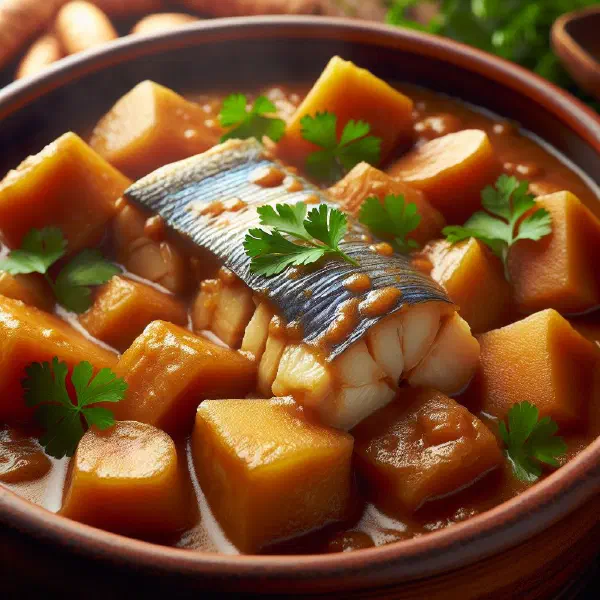
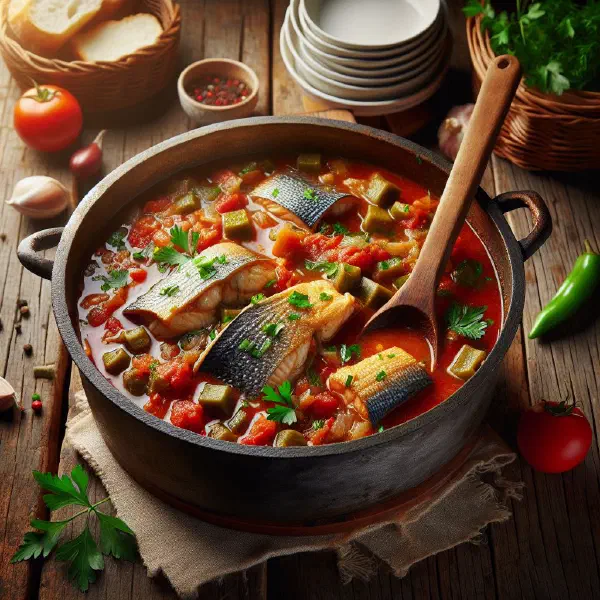
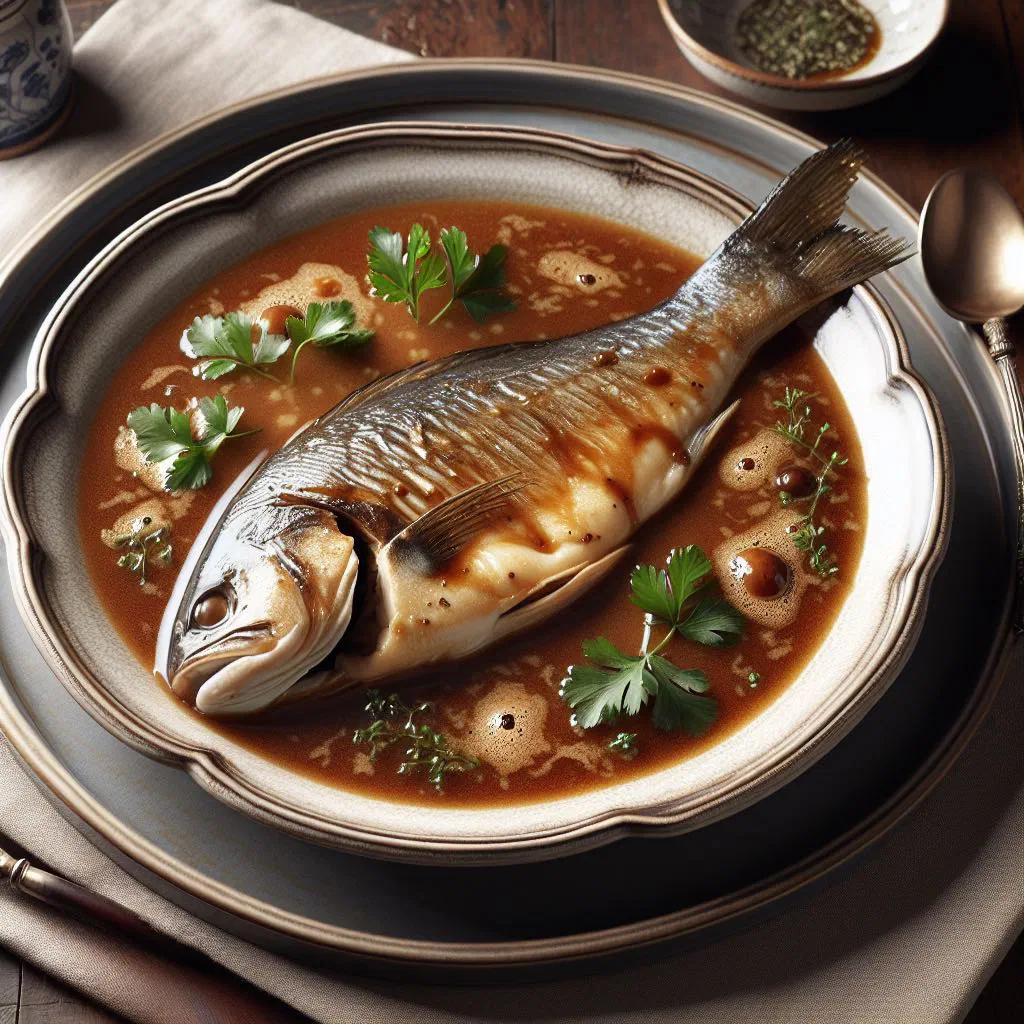
Meet Fish Gravy, the dish that sits at the very heart of Liberia’s kitchen. Fresh fish is simmered in a deeply savoury sauce built from onions, tomatoes and sweet red peppers, then lifted with a generous hand of spice. It is the kind of everyday cooking that families have refined over generations, unfussy, richly aromatic and endlessly comforting. Serve it over rice and you have a plateful of West Africa on your table.
About Fish Gravy
The national dish of Liberia, fish gravy, is an absolute must for anyone who loves West African cooking. It brings together fresh fish and a spiced sauce made from a range of local seasonings and vegetables. The dish reflects Liberia’s culinary traditions and offers a distinctive flavour that wins over locals and visitors alike. Its balanced aromas and warm, generous preparation have made fish gravy an indispensable part of Liberian culture.
Ingredients (serves 1–2)
- 250 g fresh fish (tilapia or mackerel, for example)
- 1 onion, diced
- 2–3 cloves garlic, chopped
- 1 small red pepper, diced
- 2 tomatoes, chopped
- 2 tablespoons vegetable oil
- 1 tablespoon fish sauce
- 1–2 cups vegetable stock
- Seasoning: salt, pepper, paprika, coriander
Shopping for the ingredients
When making fish gravy, choosing the best ingredients really matters. The fresh fish is the centrepiece of the dish, so it is worth insisting on good quality. Many local markets sell fresh fish alongside a broad selection of regional spices and vegetables. A trip to the market guarantees freshness and lets you soak up something of the authentic atmosphere of Liberia, the same market culture that supplies the ingredients for Cassava Leaf.
Preparing the dish
Getting ready to cook fish gravy is straightforward. Start by washing and prepping all the ingredients so the cooking itself runs smoothly. Chopping the vegetables and marinating the fish are the key steps that shape the final flavour. It is also sensible to have every spice measured out and within reach, so you can work efficiently once the pan is hot.
Step-by-step instructions
- Heat the oil in a pan and fry the diced onion and chopped garlic until golden brown.
- Add the red pepper and the chopped tomatoes, stir well and cook for about 5 minutes.
- Add the fresh fish along with the fish sauce and the vegetable stock.
- Stir everything together and season with salt, pepper, paprika and coriander. Cover and simmer for around 15 minutes.
Gluten-free / lactose-free version
Fish gravy is naturally gluten-free and lactose-free, since the main components are simply fish, vegetables and spices. Do check that any stock cubes or spice blends you use are also certified gluten-free. That is particularly important for anyone with coeliac disease or a lactose intolerance. Working with fresh ingredients also keeps the dish light and easy to digest.
Tips for vegans and vegetarians
To turn fish gravy into a vegan or vegetarian dish, swap the fish for tofu or tempeh. Both give a similar texture and soak up the flavours of the sauce beautifully. Add a few extra vegetables to boost the nutritional value while you are at it. Given the range of spices involved, there are plenty of creative ways to take the dish in a completely new direction, much as cooks do with Vegetable Stew.
More tips and tricks
A handful of small tricks make fish gravy easier to get right. Toasting the spices briefly before the vegetables go in will intensify the aromas noticeably. It is equally important not to overcook the fish, so that it stays tender and holds together. Play with the seasoning until the balance suits your own palate. A squeeze of fresh lemon or lime just before serving gives the dish its final polish.
Adapting the recipe to your taste
Fish gravy adapts readily to personal preference. If you like heat, add fresh chillies or a pinch of cayenne pepper; for a milder version, simply hold back on the hotter spices. The choice of fish can vary too, depending on what is available or what you enjoy most. Experiment with different vegetables and you will keep discovering new flavours.
Ingredient substitutions
If some ingredients are hard to come by, there are plenty of workable alternatives. Tinned fish can stand in for fresh, though the flavour will be a little different. Frozen vegetables or other seasonal produce work perfectly well as the base. What matters is preserving the harmony of the sauce, whichever ingredients you end up choosing.
Drink pairing ideas
Fish gravy pairs happily with a wide range of drinks. A refreshing soft drink works nicely against the spice of the sauce, a herbal infusion such as Hibiscus Tea or a fruity cooler supports the flavours well. For those who prefer something alcoholic, a light white wine or a fruit-forward cocktail makes a good companion without overwhelming the food.
Serving and presentation ideas
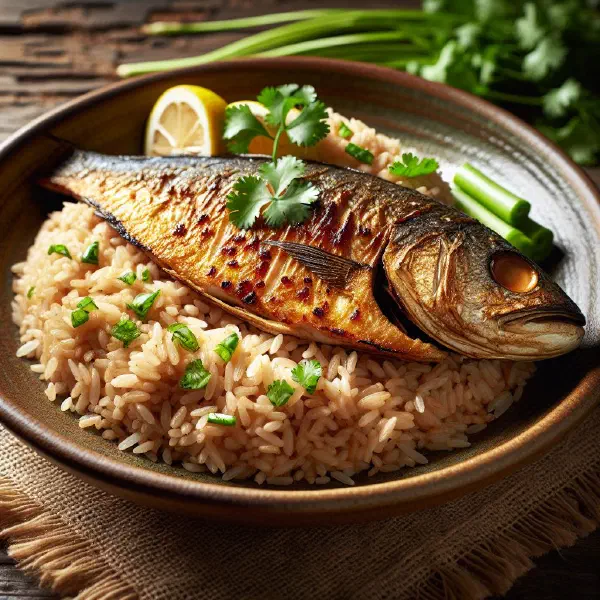
Presentation counts for a lot when serving fish gravy. Bring the dish to the table in an attractive bowl, ideally on a rustic wooden board, to reinforce the Liberian feel. A scattering of fresh herbs or a few lemon slices as garnish makes it look all the more appetising. Let the natural colours of the tomatoes and peppers come through, the dish should catch the eye before the first mouthful. A side of Fried Plantains rounds out the plate.
A bit of history
Fish gravy has deep roots in Liberian culture and history. Its preparation follows traditions handed down across generations. Fishing has long been central to the Liberian way of life, and many families guard their own secret version of the recipe. Fish gravy is therefore more than a meal: it is a piece of cultural identity and family tradition, and one of the clearest expressions of Liberian cuisine.
More recipe ideas
Summary: Fish Gravy
Fish gravy is more than just a dish; it is a tour through the flavours of Liberia. With fresh fish and an array of aromatic seasonings, it delivers a distinctive taste that is both nourishing and genuinely delicious. It remains a fixture of Liberian food culture. Let the flavours of West Africa work their magic and enjoy this rich gastronomic tradition.