National Dish Liberia: Fufu (Recipe)

In this article
Discover Fufu, the nourishing staple at the heart of Liberian cooking. Made from pounded yam, cassava or plantain, it has a soft, pillowy texture that is perfect for scooping up hearty soups and stews. Simple to make and endlessly satisfying, this dish carries generations of West African tradition in every bite. Bring a taste of Liberia to your own table with just a handful of ingredients.
About Fufu
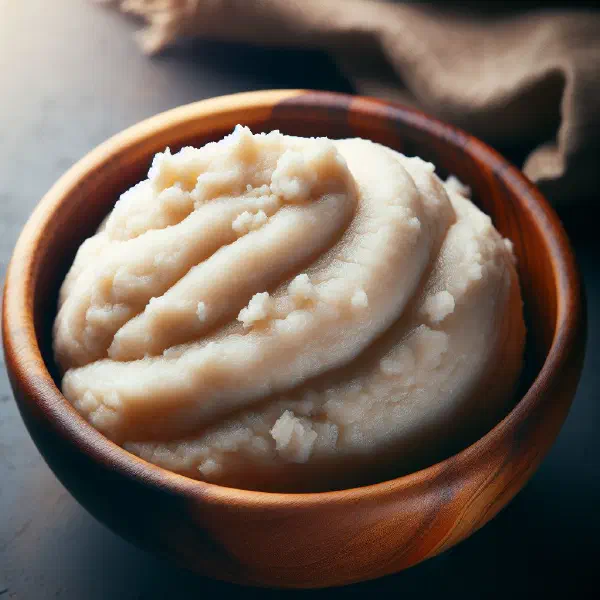
Fufu is a delicious dish and an important part of Liberian culture. It is made from base ingredients such as pounded yam, cassava or plantain, which give it its distinctive creamy consistency. In Liberia, fufu is most often served alongside hearty soups and stews that provide the perfect contrast to its mild flavour. Think of a rich Palm Butter Soup or a warming Pepper Soup. The dish also is a symbol of hospitality and social togetherness within Liberian communities.
Ingredients (serves 1–2)
- 500 g yam, cassava or plantain (fresh or frozen)
- Water (for boiling and mixing)
- A pinch of salt (optional)
Shopping for the ingredients
Yam, cassava and plantains should feel firm and be free of blemishes or soft spots. Many Asian and African grocery shops stock these ingredients in generous quantities, often at very good prices. It is also worth looking out for regional markets, where you will usually find the freshest produce and the best advice on choosing the right roots.
Preparing the dish
Preparing fufu is straightforward and takes only a few steps. First, wash the ingredients thoroughly to remove any dirt or grit. Next, peel the yam, cassava or plantain and cut it into small pieces so it cooks through more quickly. The cooking itself takes place in a large pan of salted water, until the pieces are soft and easy to mash.
Step-by-step instructions
- Place the prepared ingredients in a large pan and cover with water.
- Bring the pan up to a medium heat and cook until the pieces are soft (roughly 20–30 minutes).
- Drain off the water and tip the cooked pieces into a bowl.
- Using a hand blender or a mortar and pestle, pound the mixture thoroughly until it is completely smooth.
- Optional: add a pinch of salt to taste and mix through well.
- Turn the fufu out onto a serving plate and shape it neatly with the back of a spoon.
Gluten-free / lactose-free version
Fufu is naturally gluten-free and lactose-free, since all the main ingredients are plant-based. That makes it an ideal side dish for anyone with intolerances or particular dietary needs. When preparing it, simply take care not to introduce any gluten-containing extras along the way. With the right ingredients, fufu is a dish that genuinely suits everyone at the table.
Tips for vegans and vegetarians
Fufu is already vegan and vegetarian as it stands. It can be served with plant-based soups and stews that are rich in vegetables and pulses, such as a comforting Black Eyed Pea Soup. To make the meal even more nourishing, scatter over a few nuts or seeds as a topping. This combination adds an extra source of protein and brings interesting aromas and textures to the plate.
More tips and tricks
To get the very best from your fufu, make sure the pieces cook evenly. That may mean giving the firmer roots a head start over the softer ones. Another useful trick is to let the fufu rest for a few minutes after pounding, so the texture has time to settle. This is the surest way to achieve a particularly smooth and creamy result.
Adapting the recipe to your taste
The recipe for fufu is versatile and easily tailored to personal preference. If you fancy a different flavour profile, you can work in roasted vegetables or a few spices as you pound. You can also influence the consistency simply by adding more or less water. For a sweeter version, use very ripe plantains, which lend the dish a gentle, mellow note.
Ingredient substitutions
If you struggle to track down yam or cassava, potatoes or parsnips make a workable stand-in. These alternatives taste rather different, but they deliver a similar consistency once mashed. You can be just as creative with the seasoning, adding your favourite herbs to refine the dish further. Experiment with different flavours until you land on your own personal version.
Drink pairing ideas
Fufu goes beautifully with a wide range of drinks. A popular choice is a traditional Liberian water-based cordial, often flavoured with sugar and citrus, or a chilled ginger drink with real bite, see our Chilled Ginger Beer. If you are after something more refreshing, try a freshly pressed juice or a simple herbal tea to complement the flavours of the meal. Cheers.
Serving and presentation ideas
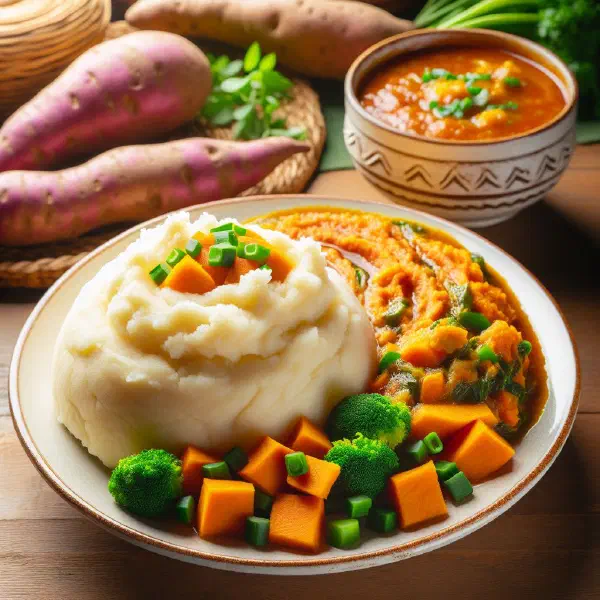
Thoughtful presentation can lift the whole fufu experience. Serve the fufu in a bowl and garnish it with fresh herbs or a warming sauce. A colourful spread of sides such as salad or grilled vegetables does wonders for the look of the plate. Remember to arrange the accompaniments attractively too, so the meal feels genuinely inviting.
A bit of history
Fufu has a long history in West African cooking and serves not merely as food but as a cultural emblem. Making fufu is often a communal activity that draws families and friends together around the mortar. The recipe has been handed down across generations and has developed differently from region to region, Liberia alone offers close cousins such as Sweet Potato Fufu. Within Liberian cuisine it represents more than a meal but an expression of culture and tradition.
More recipe ideas
Summary: Fufu
All in all, fufu is a versatile and satisfying dish that plays a central role in Liberian cooking. It stands out for its nourishing ingredients and creamy consistency, and works superbly as a side to a great many traditional dishes. The preparation is simple and leaves plenty of room for personal adjustment, which makes it accessible to everyone. Enjoy your fufu and discover the rich culture of West Africa.