National Dish Liberia: Groundnut Soup (Recipe)
In this article
Discover Groundnut Soup, one of Liberia’s most comforting classics. This velvety peanut soup brings together tender meat, fresh vegetables and the deep, roasted warmth of peanut butter in a single pot. It is the kind of food that fills a house with a wonderful smell and draws everyone to the table. Perfect for sociable evenings, chilly days and generous family meals alike.
About Groundnut Soup
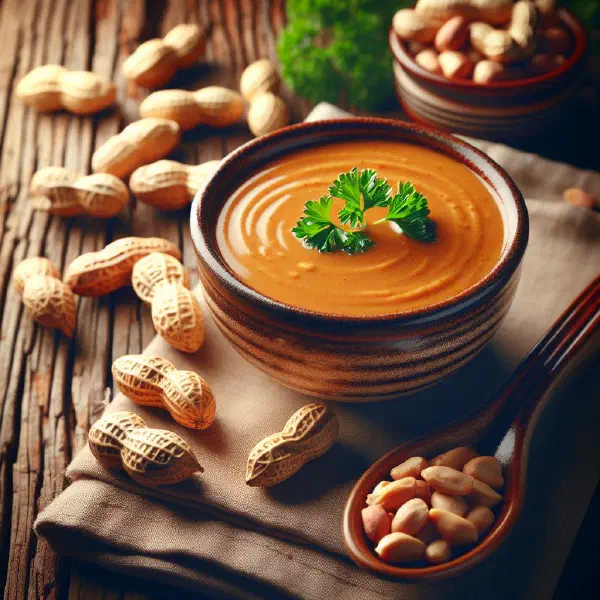
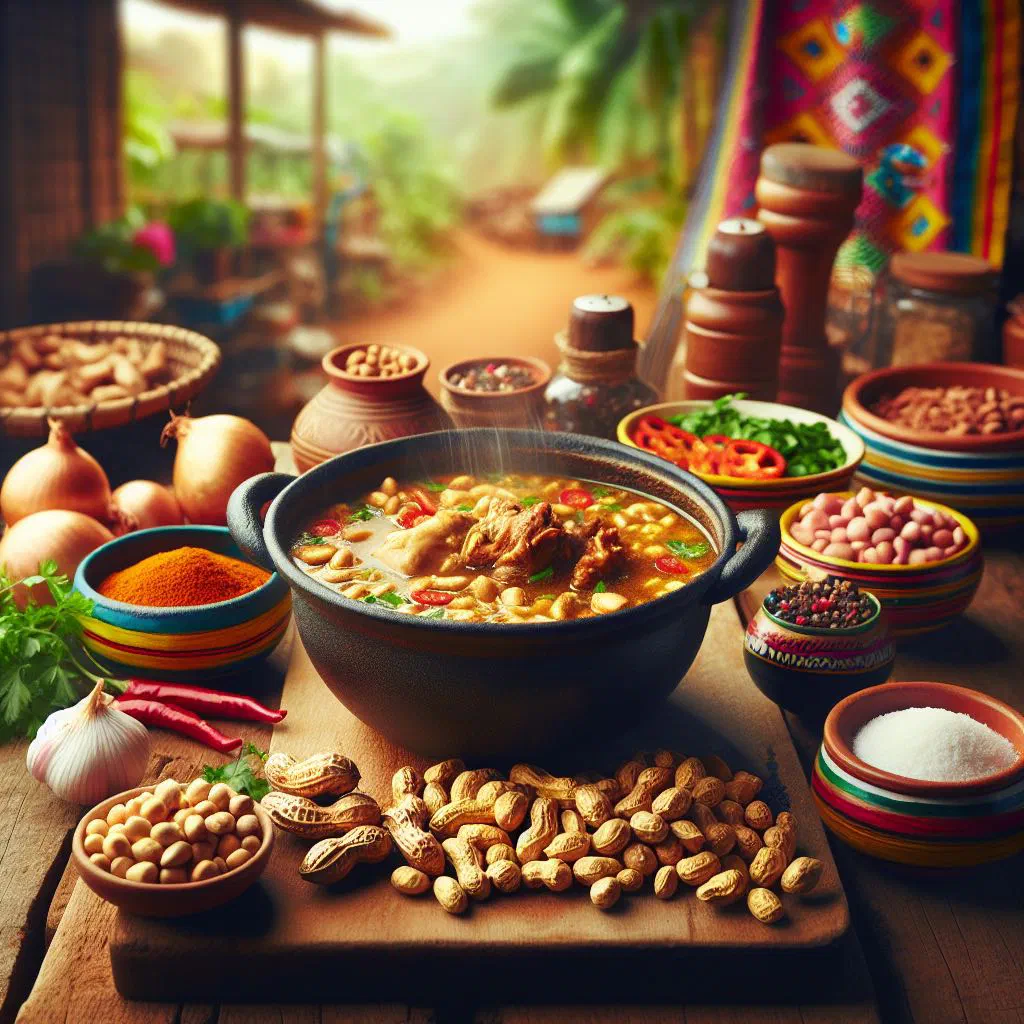
Groundnut Soup, also known simply as peanut soup, is a true highlight of Liberian cuisine. The dish combines the creamy body of ground peanuts with aromatic vegetables and tender meat, making it a nourishing and warming meal. In Liberia it is traditionally served as a main course and is a favourite for social occasions and family gatherings. Let the intense aromas and the wholehearted preparation of this classic speciality win you over. It sits comfortably alongside other Liberian staples such as Palm Butter Soup.
Ingredients (serves 1–2)
- 2 cups vegetable stock
- 1 cup peanut butter (smooth)
- 250 g chicken breast or beef, cut into cubes
- 1 large onion, diced
- 2 carrots, sliced
- 1 large tomato, diced
- 2 cloves of garlic, chopped
- 1 tsp ginger, grated
- Salt and pepper to taste
- Fresh herbs (such as parsley or coriander), to garnish
Shopping for the ingredients
To make Groundnut Soup you will want a selection of fresh, good-quality ingredients. Visit a local market or grocer to find vegetables and meat at their best. Take care to choose natural peanut butter without additives, as this makes all the difference to the finished flavour. Fresh herbs can often be bought from local growers or organic shops, and they lift the aroma of the soup considerably.
Preparing the dish
Before you start cooking Groundnut Soup, prepare all the ingredients carefully. Cut the vegetables and the meat into evenly sized pieces so that everything cooks at the same rate. Measure out the peanut butter and the stock in advance to make the cooking itself easier. This groundwork lets you move quickly through the process and get the best out of the dish.
Step-by-step instructions
- Bring the vegetable stock to the boil in a large pot.
- Add the diced onion, carrots and meat, then simmer for about 10–15 minutes until the meat is cooked through.
- Stir in the peanut butter and the chopped tomato, mixing well until everything is smoothly combined.
- Add the garlic and ginger and let the soup simmer for a further 5–10 minutes.
- Season with salt and pepper to taste, then garnish with fresh herbs before serving.
Gluten-free / lactose-free version
Groundnut Soup lends itself very well to a gluten-free and lactose-free preparation. Simply use a gluten-free stock and check that the peanut butter is free from gluten-containing additives. As the recipe contains no dairy at all, it is naturally lactose-free. That makes it an excellent choice for anyone with food intolerances, without any loss of flavour.
Tips for vegans and vegetarians
For a vegan or vegetarian version of Groundnut Soup, simply replace the meat with tofu or seitan. Both provide a nourishing base and a similar texture. You can also add your favourite vegetables, such as spinach or courgette, to enrich the dish further, much as you would in a hearty Vegetable Stew. Be sure to choose a plant-based stock so the soup is fully vegan.
More tips and tricks
To deepen the flavours of Groundnut Soup, try adding spices such as turmeric or chilli. These bring extra taste and give the soup a beautiful colour. A squeeze of lemon juice just before serving refreshes the aromas and makes the whole bowl feel livelier. It is also worth trying different kinds of peanut butter until you find the one you like best.
Adapting the recipe to your taste
Groundnut Soup is a wonderfully adaptable dish that is easy to shape around personal preference. Vary the amount of peanuts or change the mix of vegetables to suit your taste. If you like more heat, add extra chilli or a spoonful of Pepper Sauce. Versions with other proteins such as fish or seafood are equally possible and open up new flavour combinations.
Ingredient substitutions
Several alternatives work well in Groundnut Soup, depending on what is available and what you prefer. Instead of chicken breast you can use other meats such as pork or minced beef. The peanut butter can be swapped for cashew butter to give a milder, subtly different flavour. Experiment with different vegetables until you find your perfect combination.
Drink pairing ideas
A number of drinks complement Groundnut Soup nicely. A cold, refreshing malt drink or a light white wine sits well with the savoury richness of the soup. For an alcohol-free option, a fresh fruit juice or sparkling water with lemon is a refreshing choice, as is a chilled glass of Hibiscus Tea. These round the meal off perfectly.
Serving and presentation ideas
Presentation can improve the Groundnut Soup experience considerably. Serve the soup in colourful bowls that set off its warm tone. Decorate with fresh herbs, roasted peanuts or a spoonful of yoghurt to refine both the look and the texture. Contrasting colours and textures make for an inviting, appetising dish that draws everyone to the table.
A bit of history
Groundnut Soup has deep roots in West African culture, where peanuts have been a staple ingredient for centuries. They are a valuable source of nutrition and play a significant role in many traditional dishes. In Liberia the soup is a symbol of hospitality and is often served on special occasions. Over the years it has become a much-loved fixture of Liberian cuisine, prepared in home kitchens and restaurants alike.
More recipe ideas
Summary: Groundnut Soup
Groundnut Soup is a genuine taste experience from the Liberian kitchen, one that appeals to meat lovers and vegans in equal measure. Its straightforward preparation, combined with a range of fresh ingredients, makes it a perfect choice for any occasion. Whether for a festive dinner or a relaxed evening with friends, this soup is sure to win hearts. Let its rich aromas enchant you and enjoy a piece of West African culture right in your own home.