National Dish Liberia: Pepper Sauce (Recipe)
In this article
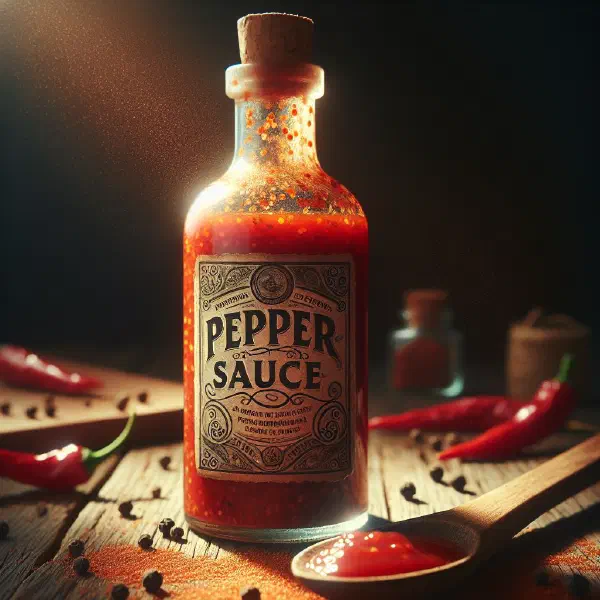
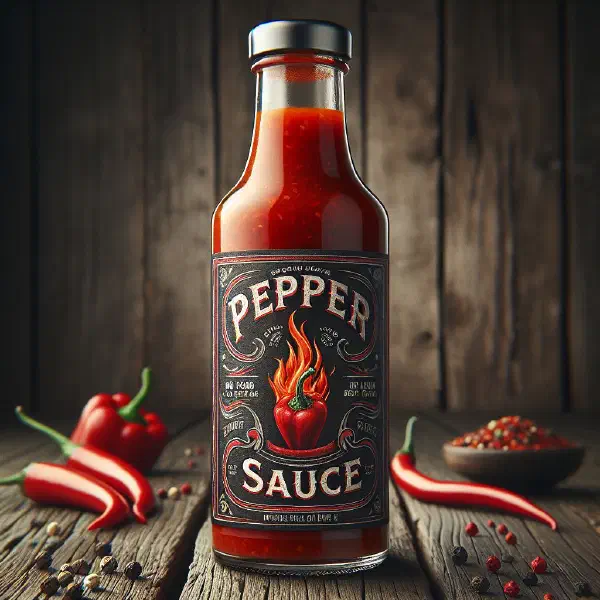
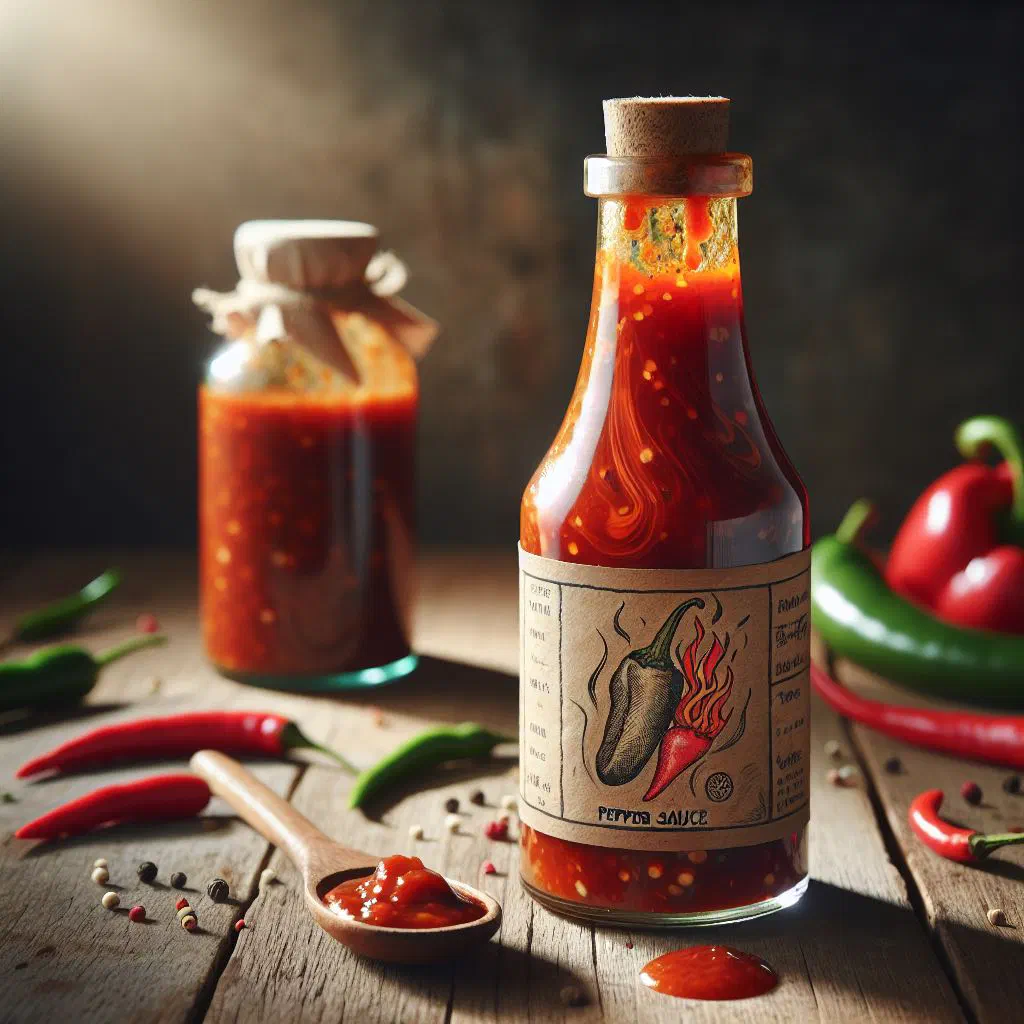
Discover Pepper Sauce, the fiery heart of Liberian cooking. This punchy red condiment turns a plain plate of rice, a piece of grilled fish or a simple stew into something memorable. Built from sweet red peppers, onions, garlic and as many chillies as you dare, it delivers heat with real depth of flavour behind it. Best of all, it comes together in a single pan in under half an hour.
About Pepper Sauce
Liberian cuisine offers a wonderful range of flavours, and one of its most striking creations is Pepper Sauce. It is famous for its fierce heat and is served either as an ingredient stirred into dishes or as a dip alongside them. Traditionally it is made from the freshest produce available, red peppers, onions and aromatic spices, which together create an unmistakable depth of flavour. Fish or meat, this sauce will give any meal that little something extra.
Ingredients (serves 1–2)
- 3–4 red peppers
- 1 large onion
- 2–3 garlic cloves
- 1–2 fresh chillies (depending on how hot you like it)
- 1 teaspoon salt
- 2 tablespoons vegetable oil
- 1 tablespoon vinegar (optional, for acidity)
- Spices of your choice (e.g. black pepper, cumin)
Shopping for the ingredients
For the best results it is worth buying the ingredients fresh from a market. Look closely at the peppers and onions. They should be glossy and free of dents or soft patches. The chillies should be firm and crisp, as their condition has a decisive effect on the quality of your pepper sauce. For extra aroma, it is worth considering the special spice blends sold in African or Asian grocery shops, the same ones that give a good Jollof Rice its character.
Preparing the dish
Preparation is quick and straightforward, so you can have a delicious sauce ready in no time at all. Start by washing the peppers and cutting them into small pieces. The onion and garlic need to be finely chopped as well before they go into the pan. Remember that you control the heat level by adjusting the number of chillies, so start cautiously and work towards the balance that suits you.
Step-by-step instructions
- Heat the vegetable oil in a frying pan over a medium heat.
- Add the onions and garlic and fry until golden brown.
- Add the diced peppers and chillies and cook everything for around 10 minutes.
- Season the mixture with salt and the spices of your choice.
- Blend with a stick blender until you reach the consistency you want.
- If you like, stir in a splash of vinegar to freshen the sauce up.
Gluten-free / lactose-free version
This pepper sauce is naturally gluten-free and lactose-free, which makes it an excellent choice for anyone with an intolerance. Do check that the spices you use are also free from gluten, as some blends contain unexpected fillers. Otherwise you can enjoy the sauce entirely without worry, and it suits vegans and vegetarians just as well.
Tips for vegans and vegetarians
For vegans and vegetarians there are a few small adjustments worth noting when making pepper sauce. Make sure the spices you reach for contain no animal-derived ingredients. Instead of stocks that may hide animal products, use a plant-based alternative. The sauce goes beautifully with all manner of vegetable dishes, from a hearty Vegetable Stew to a simple plate of greens.
More tips and tricks
To intensify the flavour, let the sauce rest in the fridge for a few hours. That gives the individual notes time to marry and develop. Another option is to round it off with a little sugar or honey to balance the heat. For a smoky edge, use smoked paprika, which lends the sauce a real character of its own.
Adapting the recipe to your taste
Pepper sauce is highly adaptable, so you can modify it entirely to your own liking. If you prefer things milder, reduce the number of chillies or bring in gentler spices instead. For more freshness, add herbs such as coriander or parsley. Experiment with different spice blends to create your own personal signature version.
Ingredient substitutions
If you do not have every listed ingredient to hand, there are several alternatives you can turn to. Peppers can be replaced with tomatoes or carrots, both of which bring a pleasant sweetness and good colour to the sauce. Chillies can be swapped for milder peperoncini if you want a gentler version. Be creative and use what is already in your kitchen, the same resourceful spirit behind a pot of Okra Stew.
Drink pairing ideas
The hot, aromatic pepper sauce works well with a wide range of drinks. A cold lager or a refreshing shandy balances the heat nicely. For non-drinkers, a fruity iced tea or a fresh lime and mint cooler supports the flavours just as well, and a glass of sparkling water with lemon makes a good companion too. A chilled Hibiscus Tea is the most authentically Liberian choice of all.
Serving and presentation ideas
Presentation matters if you want your pepper sauce to look as good as it tastes. Serve it in an attractive bowl and garnish with fresh herbs such as parsley or coriander. A colourful spread of steamed vegetables or freshly fried meat alongside the sauce gives the plate real appeal. Using small dipping bowls is another neat way to present it and to work it into a buffet or family meal.
A bit of history
Pepper sauce has its roots in traditional Liberian cooking and reflects the many culinary influences that meet in the country. It has been made for generations and is a fixed part of Liberia’s culinary identity. In most households it is the indispensable accompaniment to almost any dish, from rice to a bowl of Fufu. More and more people around the world are discovering this sauce, which impresses not only with its heat but with its rich aromas, a fine introduction to Liberian cuisine.
More recipe ideas
Summary: Pepper Sauce
Pepper sauce is a perfect example of the variety and the flavours of Liberian cooking. It is simple to make and easy to adjust so it matches your personal taste exactly. Whether as a dip, a marinade or a cooking ingredient, this sauce breathes life into any dish. Let its fiery heat win you over and treat yourself to a piece of Liberian culture on your plate.