National Dish Libya: Asida (Recipe)

In this article
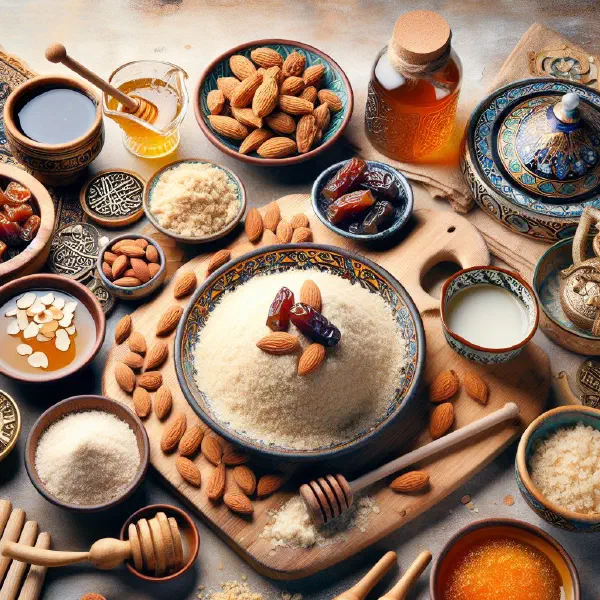
Discover Asida, a dish that sits right at the heart of Libyan hospitality. Made from little more than wheat flour and water, it turns the simplest of pantry staples into a soft, tender treat that is traditionally crowned with honey, dates or whey. Warm, comforting and endlessly shareable, asida is the kind of food that brings a family together around a single bowl, a true taste of Libya’s generous, welcoming table.
About Asida
Asida is not merely a dish but a symbol of Libyan hospitality and tradition. The recipe could hardly be simpler, yet the flavours it carries are rich and varied. Made from wheat flour and water, it has a soft, tender texture that melts in the mouth. It is most often served with honey, dates or whey, which deepen the flavour and turn every serving into a small feast for the senses. Few dishes capture the spirit of Libyan cuisine quite so warmly.
Ingredients (serves 1–2)
- 200 g wheat flour
- 300 ml water
- 1 pinch of salt
- Honey, dates or whey (to taste)
Shopping for the ingredients
The ingredients for asida are wonderfully easy to source. In most supermarkets you will find wheat flour and salt in the baking aisle, while honey, dates and whey are readily available in any well-stocked grocery. It is worth choosing fresh, plump dates and a good-quality honey to get the most out of the dish, as these finishing touches carry much of its flavour.
Preparing the dish
Before you start cooking asida, it helps to have everything to hand. Make sure the water is fresh and that the wheat flour is free of any lumps. A clean, clear work surface will let you work the dough efficiently and without fuss. This bit of preparation is key to achieving a good result and the smooth, tender texture the dish is known for.
Step-by-step instructions
- In a bowl, combine the wheat flour with a pinch of salt.
- Add the water slowly, stirring continuously to keep the mixture free of lumps.
- Knead the dough thoroughly until it is soft and supple.
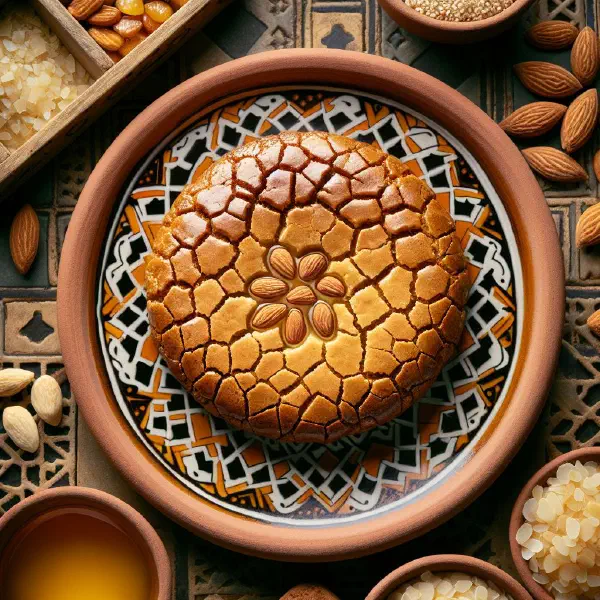
- Divide the dough into small portions and shape into flat rounds.
- Cook the rounds in a pan over low heat until firm and lightly browned.
- Serve with honey, dates or whey, as you prefer.
Gluten-free / lactose-free version
If you would like to make a gluten-free version of asida, you can use gluten-free flour in place of wheat flour. Add a suitable binder such as flaxseed or xanthan gum to improve the texture of the dough. For a lactose-free version, simply swap the whey for a plant-based alternative such as almond milk. That way the dish stays enjoyable and easy to digest for everyone at the table.
Tips for vegans and vegetarians
Vegan versions of asida are simple to prepare. Just replace the animal products, such as whey, with plant-based alternatives. Reach for sweet, wholesome options like agave syrup or maple syrup in place of honey. Adding fresh fruit or nuts can enrich a vegan asida still further, and a little experimenting with spices helps you refine the flavours and keep the dish interesting.
More tips and tricks
To get the very best from your asida, it helps to let the dough rest before cooking. This improves the consistency and makes the dough far easier to handle. Keep a close eye on the temperature as it cooks to avoid any scorching. Serving the finished dish in an attractive bowl also makes for a more inviting presentation, much as you would with a comforting bowl of Shorba.
Adapting the recipe to your taste
Asida is easy to tailor to personal preference. Add extra fruit or dried fruit for more flavour, or try different sweeteners to suit your palate. You can also stir in herbs and spices to scent the dough. The accompaniments can be varied however you fancy, so everyone can build the version of the dish that suits them best.
Ingredient substitutions
Sometimes a particular ingredient is not to hand, or tastes have simply changed. In place of wheat flour you might use rice flour or cornflour to achieve different flavours. Likewise, alternative sweeteners such as stevia or coconut sugar are well worth trying. Variations of this kind bring new dimensions to the dish and are sure to surprise everyone who tries it.
Drink pairing ideas
Asida pairs beautifully with a range of drinks. A popular choice is a minty tea, which sits perfectly alongside the dish’s sweet notes. Alternatively, fruit juices or an ice-cold lemonade add a refreshing touch. These combinations lift the whole tasting experience and turn a simple serving into something of an occasion.
Serving and presentation ideas
Presentation plays a real part in making asida an invitation to share. Serve it on an attractive plate and garnish with chopped nuts or fresh fruit. A small pot of honey set beside the dish lets guests adjust the sweetness to their liking. Choosing a colour palette that echoes Libya’s traditions makes the dish more appealing still. Think of the warm, earthy tones you might find beside a fragrant Chicken Tagine.
A bit of history
Asida has a long tradition in Libya and is deeply woven into the culture. It is often served at celebrations and gatherings, where it stands for community and family bonds. Preparing asida is frequently a shared activity that brings family members together. In this way the dish speaks of the values at the heart of Libyan society, invitation, sharing and the celebration of life itself.
More recipe ideas
Summary: Asida
Asida is far more than just a dish. It is an experience that embodies Libyan culture and tradition. With its simple preparation and its delicious accompaniments, it is ideal for sharing with family and friends. Dates or whey, asida captures the essence of the hospitality that means so much in Libya. Enjoy this singular dish and immerse yourself in the rich flavours and warm-hearted culture of Libya.