National Dish Libya: Lamb Stew (Recipe)
In this article
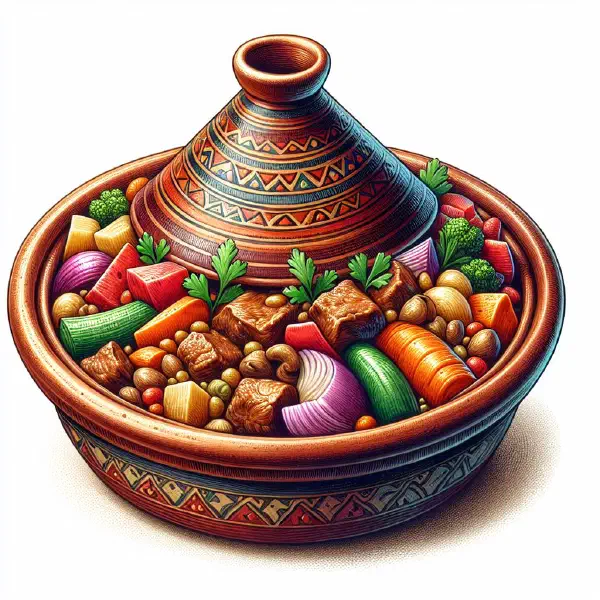
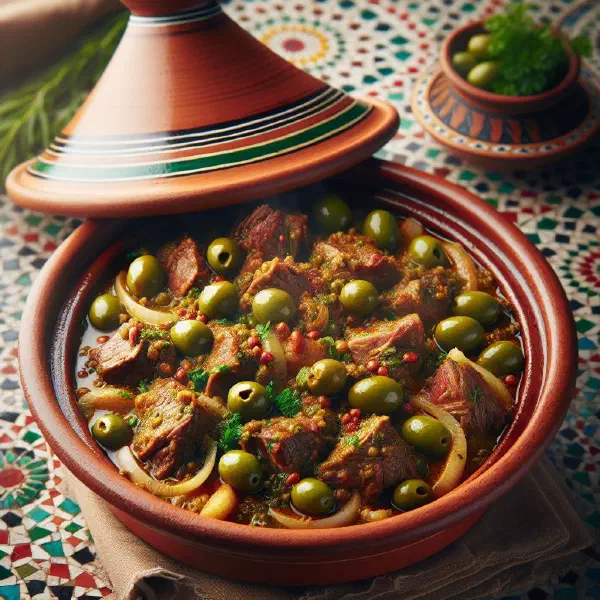
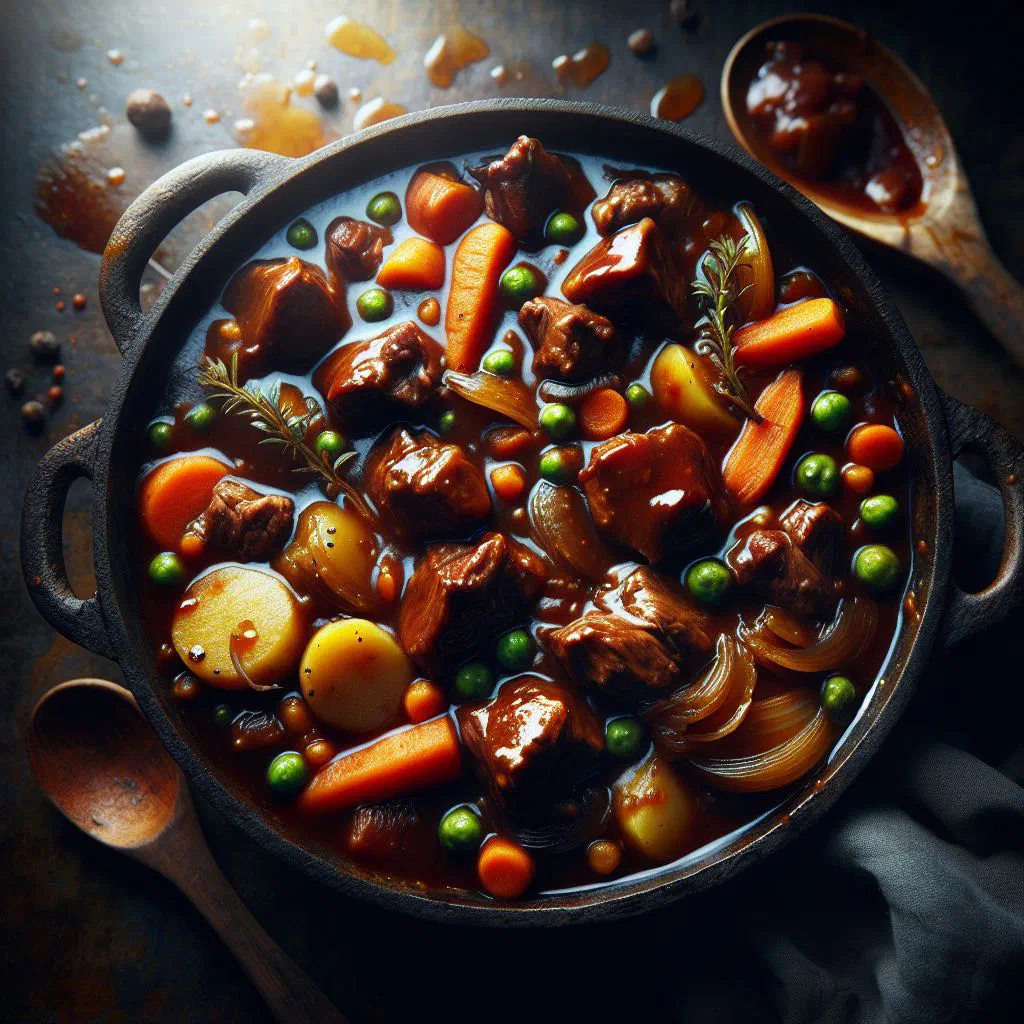
Discover Libyan Lamb Stew, a warming celebration of North African flavour. Tender pieces of lamb are gently simmered with exotic spices and fresh herbs until they melt in the mouth, creating a dish worthy of any feast. This is hearty, generous cooking that reflects the hospitality at the heart of Libyan tradition, bring the sun-baked aromas of the Mediterranean straight to your own table.
About Lamb Stew
Libyan Lamb Stew is a delicious dish rooted deep in the culture of Libya. It brings together tender lamb with a wonderful blend of spices that lends every mouthful its own distinctive note. Traditionally prepared with fresh ingredients and enjoyed in good company, the stew mirrors the country’s warm hospitality and its history. Slow, patient cooking is the secret, allowing the flavours to build into something deeply satisfying.
Ingredients (serves 1–2)
- 300 g lamb, cut into cubes
- 1 large onion, finely chopped
- 2 cloves garlic, crushed
- 2 carrots, sliced
- 1 tin chickpeas, drained
- 400 g chopped tomatoes (tinned)
- 2 tsp cumin
- 1 tsp cinnamon
- 1 tsp paprika
- Salt and pepper, to taste
- 2 tbsp olive oil
- Fresh coriander, to garnish
Shopping for the ingredients
To make a delicious Libyan Lamb Stew, it is important to choose ingredients that are fresh and of good quality. Visit your local market or supermarket to find the best cuts of lamb and the freshest vegetables. Take care to pick high-quality spices, good spices are crucial to achieving the full depth of flavour this dish deserves. If you cannot find less common items such as chickpeas or particular spices, they are usually easy to order online.
Preparing the dish
Preparation is an essential step in making Libyan Lamb Stew. Begin by cutting the lamb into evenly sized cubes so that it cooks through uniformly. Next, finely chop the onions and garlic, as they form the flavour base of the dish. Slicing the carrots into even rounds also helps them cook evenly and release their natural sweetness into the sauce.
Step-by-step instructions
- Heat the olive oil in a large pot and sauté the onions and garlic until soft.
- Add the lamb and brown it on all sides until it takes on a golden colour.
- Stir in the carrots, chopped tomatoes, chickpeas and spices, mixing everything together well.
- Pour in enough water to cover, bring to the boil, then reduce the heat.
- Let the stew simmer gently for about 1.5 hours, until the lamb is tender.
- Garnish with fresh coriander just before serving.
Gluten-free / lactose-free version
One great advantage of Libyan Lamb Stew is that it is naturally free from gluten and lactose. Using fresh ingredients and spices ensures the dish suits anyone with these intolerances. It is worth checking, however, that your spices contain no hidden gluten. Avoid pre-processed products that may contain lactose, too, to keep the dish pure and wholesome. Served with plain rice or a gluten-free flatbread, it makes a complete and satisfying meal.
Tips for vegans and vegetarians
There are several ways to adapt Libyan Lamb Stew for vegans and vegetarians. Replace the lamb with textured soya or jackfruit pieces, which absorb the aromatic flavours of the dish beautifully. Add extra vegetables such as courgette or aubergine to keep the stew hearty and filling. Finally, be sure to use a plant-based stock so the finished dish retains its full flavour and satisfying texture. The same plant-based approach works well in a comforting Vegetable Tagine.
More tips and tricks
A few simple tips can make cooking Libyan Lamb Stew even more enjoyable. Use a pressure cooker if you are short on time; it will cut the cooking time considerably while keeping the meat beautifully tender. You can also vary the spices to discover new flavour combinations. Taking your time to let the aromas mingle in the pot will improve the final result enormously.
Adapting the recipe to your taste
The wonderful thing about Libyan Lamb Stew is how easily it adapts to personal preference. Add more or less of certain spices to intensify or soften the flavour to your liking. You can also vary the vegetables to make the dish seasonal, or simply use whatever you have to hand. Experiment with different herbs such as parsley or mint to give the stew a fresh, lively note.
Ingredient substitutions
If you do not have every ingredient for Libyan Lamb Stew, there are plenty of alternatives. In place of lamb you can use beef or chicken, both of which taste wonderful here. Likewise, beans or lentils can stand in for the chickpeas. If you cannot find chopped tomatoes, freshly puréed vegetables work perfectly well too, much as they do in a slow-cooked Tajine.
Drink pairing ideas
Libyan Lamb Stew pairs beautifully with a range of drinks that can underline the flavour of the dish. An approachable red wine with gentle tannins, such as a Merlot, would be an excellent choice. If you are looking for an alcohol-free option, a refreshing mint tea makes the perfect partner, wonderfully complementing the stew’s spices. A slightly sweet rosé can offer an interesting combination too.
Serving and presentation ideas
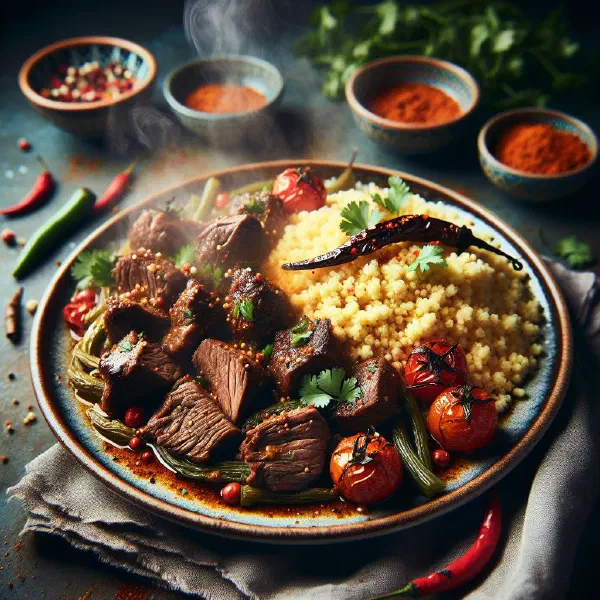
Presentation plays a big part in enjoying Libyan Lamb Stew. Serve the dish in an attractive bowl and garnish it with fresh coriander. Add a squeeze of lemon or lime to lend the stew a touch of brightness. A side of Libyan Couscous or fresh flatbread, perfect for mopping up the sauce, rounds off the presentation and makes the meal all the more inviting.
A bit of history
Libyan Lamb Stew has its roots in Arab and Mediterranean cooking. The use of spices and the slow cooking of the meat reflect the traditional techniques passed down over generations. Historically, lamb was a staple in the region, prized for feasts and special occasions. The recipe has adapted over time, yet it has never lost the essence of its aromatic character, a fine example of the wider Libyan cuisine.
More recipe ideas
Summary: Lamb Stew
In short, Libyan Lamb Stew is a delicious dish and a showcase for the culture and tradition of Libya. With its combination of tender lamb, aromatic spices and wholesome ingredients, it quickly becomes a favourite in any kitchen. Whether at a celebratory feast or as an everyday meal, this dish wins hearts through its simplicity and unmistakable flavour. Give it a try and immerse yourself in the flavours of Libya.