National Dish Libya: Mhadjeb (Recipe)
In this article
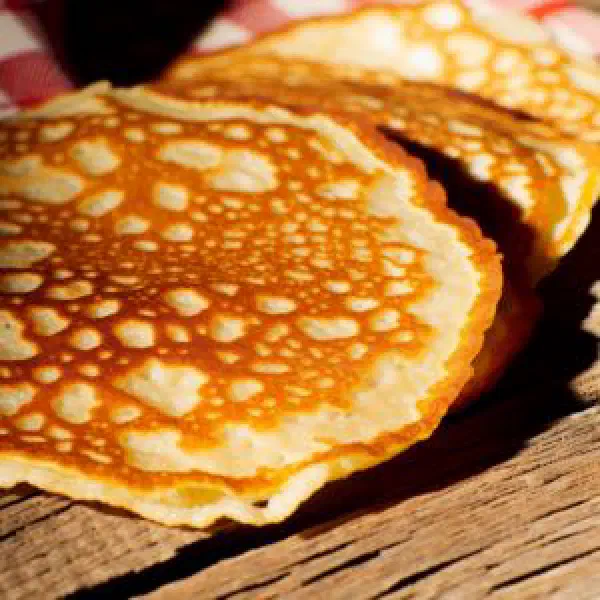
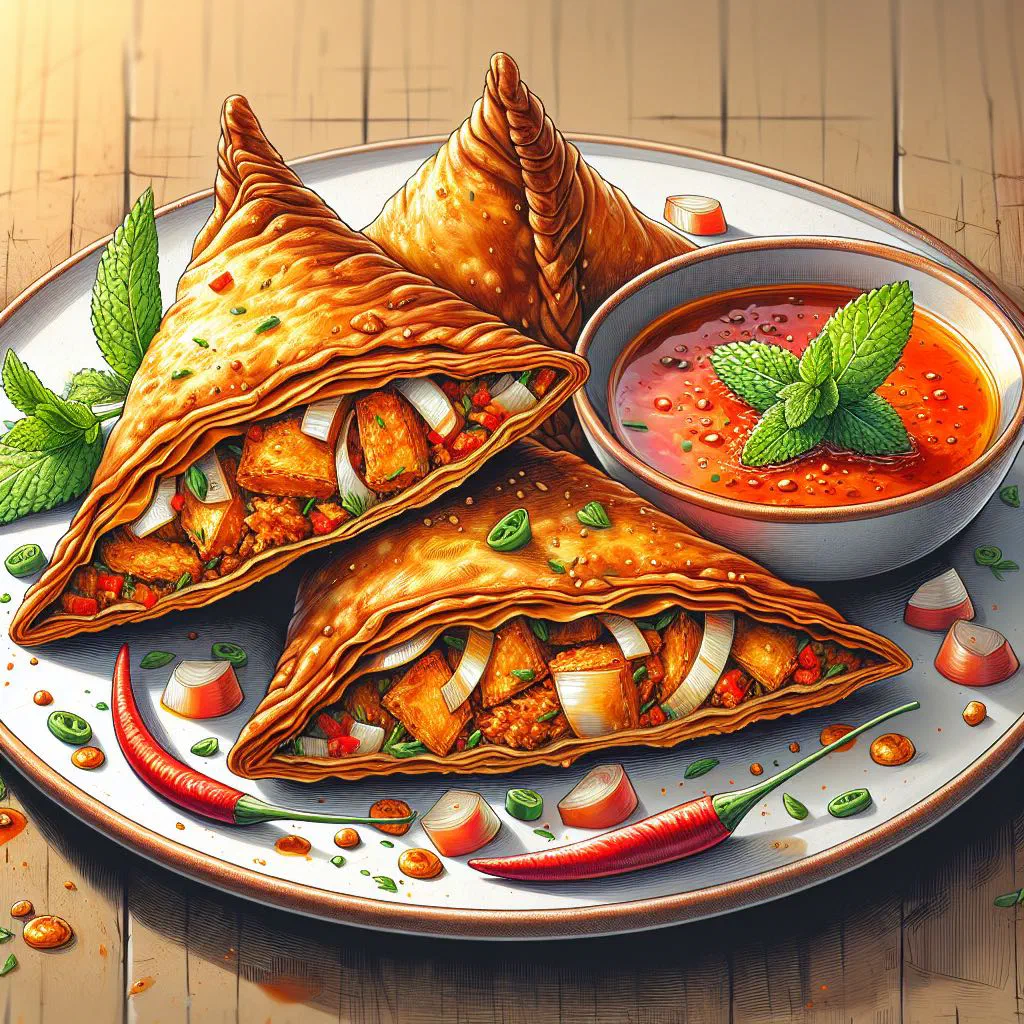
Discover Mhadjeb, a much-loved treat from the streets and family kitchens of Libya. These thin, folded flatbreads wrap a savoury filling of spiced vegetables and fresh herbs inside a soft, pliable dough. Simple to make yet full of character, they are just as welcome as a quick snack as they are at the heart of a shared meal. Warm, fragrant and satisfying, mhadjeb brings a genuine taste of Libyan cooking straight to your table.
About Mhadjeb
Mhadjeb is a traditional Libyan dish that has won over food lovers far beyond its home country. These stuffed dough pancakes are easy to prepare and a wonderful example of Libya’s rich culinary tradition. The combination of savoury vegetables and aromatic herbs folded into a thin, supple dough makes for a flavour experience quite unlike any other. Mhadjeb is often served as a snack or as a main course, and it is ideal for sociable gatherings or relaxed evenings at home.
Ingredients (serves 1–2)
- 200 g flour
- 1 tsp salt
- 150 ml water
- 1 large onion, finely chopped
- 1 pepper, diced
- 1 small courgette, diced
- 2 tbsp chopped parsley
- 1 tsp cumin
- Oil, for frying
Shopping for the ingredients
You will find the ingredients in any well-stocked supermarket or at your local market. Fresh vegetables are especially important for the flavour, so try to choose regional and seasonal produce wherever you can. The choice of flour matters too, as different types can give the dough noticeably different textures.
Preparing the dish
To make mhadjeb, you first need to prepare the dough for the pancakes. Mix the flour, salt and water together in a bowl and knead until the dough is smooth and elastic. While the dough rests, you can get on with the filling. Fry the onion in a little oil, then add the remaining vegetables and the spices, letting everything cook gently so the aromas can develop fully.
Step-by-step instructions
- Prepare the dough: in a bowl, combine flour, salt and water and knead until the dough is smooth.
- Rest the dough: wrap it in cling film and leave to rest for 30 minutes.
- Prepare the filling: fry the onion in oil, then add the pepper, courgette, parsley and spices and cook briefly.
- Roll out the dough: divide it into small balls and roll each one out thinly.
- Add the filling: place a portion of filling in the centre of the dough and fold the edges over to enclose it.
- Fry the pancakes: cook in a hot, oiled pan until golden brown on both sides.
Gluten-free / lactose-free version
For a gluten-free version of mhadjeb, you can use gluten-free flour and adjust the recipe accordingly. There are many gluten-free flour blends that work beautifully for making dough. The dish is also naturally lactose-free, since no dairy products are used, which means people with a lactose intolerance can enjoy these tasty flatbreads too.
Tips for vegans and vegetarians
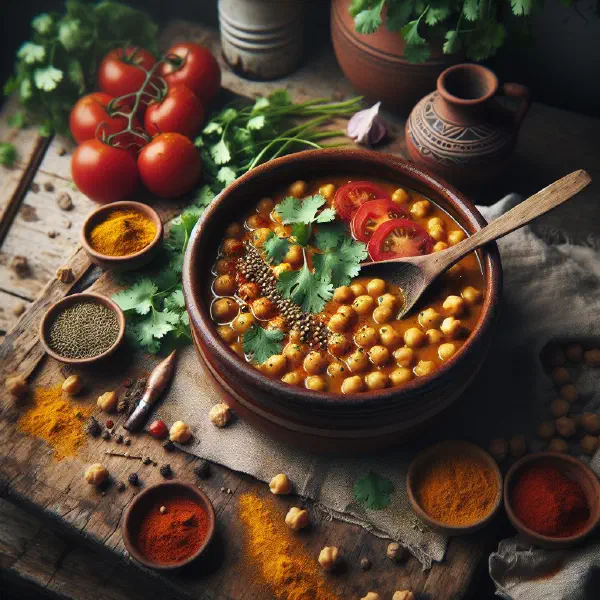
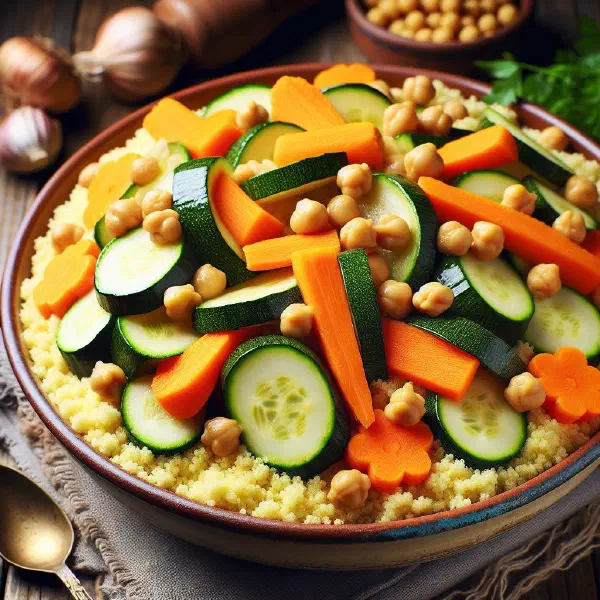
Mhadjeb lends itself perfectly to vegan adaptations, as the filling is simply made from vegetables and herbs. To make the dish more filling, you can fold pulses such as chickpeas or lentils into the filling. These add flavour and boost the protein content. Just make sure no animal products slip into the dough either, so that the mhadjeb stays completely plant-based. For more meat-free inspiration, try Tabbouleh or a hearty Libyan Lentil Soup.
More tips and tricks
For the best results with mhadjeb, a good pan is essential. Use a non-stick pan to stop the pancakes sticking and to brown them evenly. Experimenting with different spices can vary the dish in exciting ways. Adding cheese for a richer filling is a popular option too, as long as you are happy to include dairy.
Adapting the recipe to your taste
Everyone has different flavour preferences, which is why mhadjeb is so easy to tailor to your own. Experiment with different vegetables, or add chilli for a spicier kick. The choice of herbs can vary as well, fresh coriander or mint can bring in exciting new aromas.
Ingredient substitutions
If you do not have certain ingredients to hand, there are plenty of alternatives to try. You could use kale instead of courgette, for example, or fold in sweet potato in place of the pepper. This not only helps to cut down on waste but can also open up new and interesting flavours. Feel free to go exploring and find your own favourite combination.
Drink pairing ideas
A range of drinks pairs wonderfully with mhadjeb. A traditional Libyan mint tea or a refreshing lemon drink complements the flavours of the dish nicely. A chilled yoghurt drink, known as ayran, is also perfect for balancing the spice of the filling. Serve the drinks in attractive glasses to round off the whole experience.
Serving and presentation ideas
Presentation plays an important part when serving mhadjeb. Arrange the pancakes on a colourful plate and garnish them with fresh herbs or a spicy sauce. A squeeze of lemon can add not only flavour but colour too. Set the dish out in larger pieces so that everyone can help themselves to their own portion.
A bit of history
Mhadjeb has a long history in Libyan culture and is often linked with the coming together of family and friends. Originally prepared by the Bedouin, the dish has remained popular across generations and has found its place in modern Libyan cooking. Its versatile preparation and many variations make it a truly unique dish that reflects both tradition and contemporary influences. In many Libyan households, mhadjeb is still made today according to recipes handed down through the years, standing as a symbol of hospitality within Libyan cuisine.
More recipe ideas
Summary: Mhadjeb
Mhadjeb is a fine example of Libya’s rich and varied cuisine. The combination of fresh vegetables, aromatic spices and an easy-to-make dough turns this dish into a real pleasure. Whether as a snack or as a full meal, mhadjeb brings a touch of Libya to your table and lets you experience the country’s culture in the most wonderful way. Give it a try and let this traditional dish work its magic.