National Dish Libya: Samak bil Batata (Recipe)
In this article
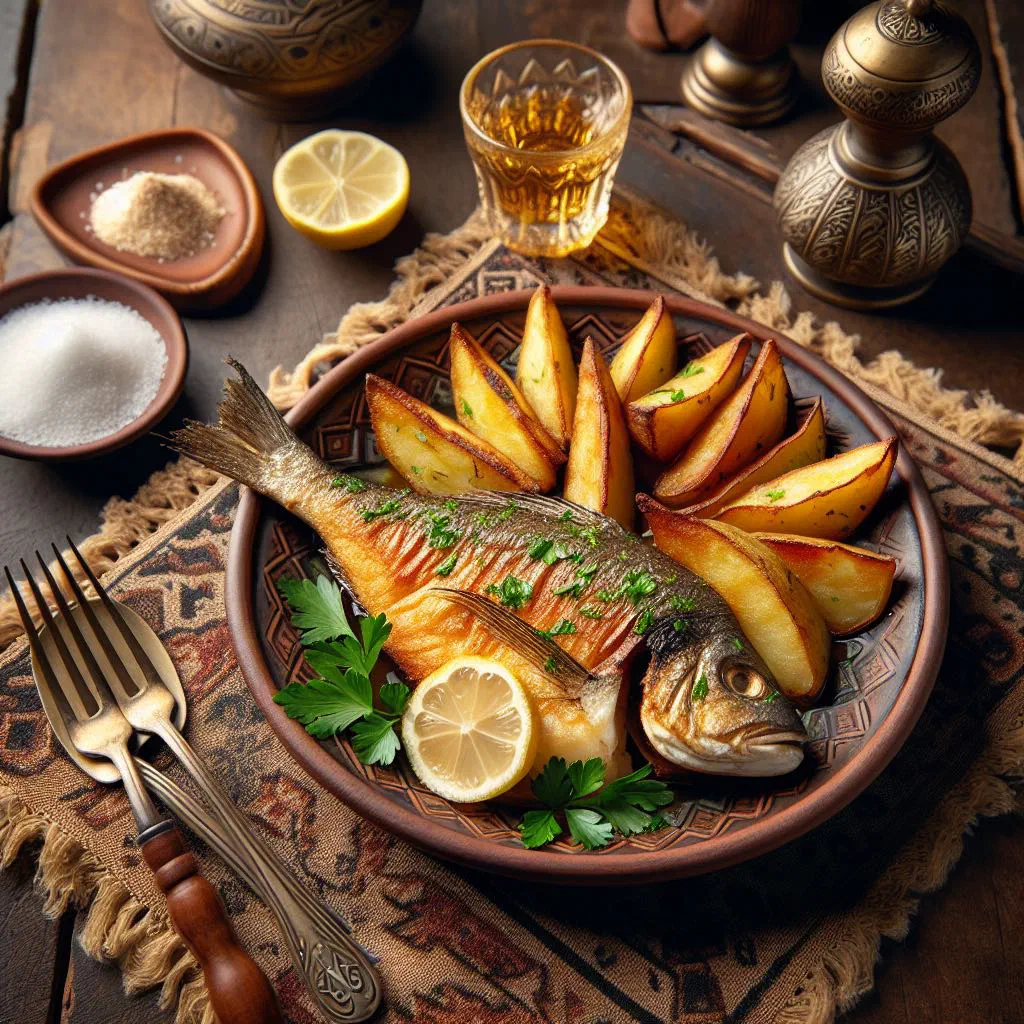
Discover Samak bil Batata, one of Libya’s best-loved seafood dishes. It brings together tender fish and golden, well-seasoned potatoes for a plate that feels both homely and celebratory. Layered with the warm aromas of cumin, garlic and a bright squeeze of lemon, it captures the Mediterranean spirit of Libya’s coastal kitchens. Bring a taste of North Africa straight to your own table.
About Samak bil Batata
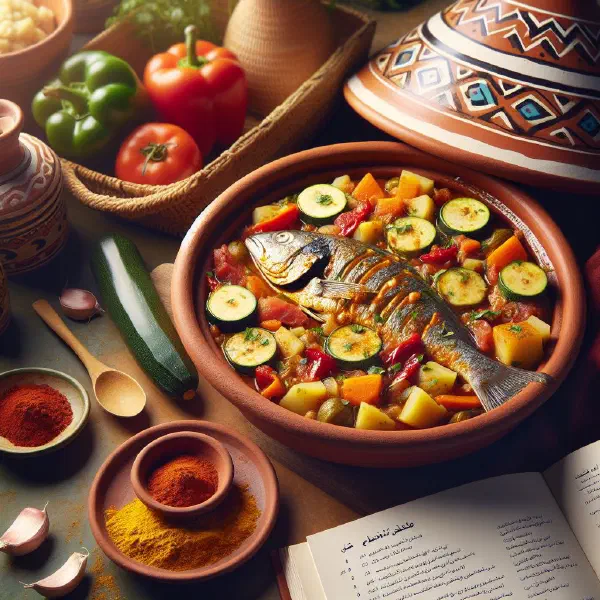
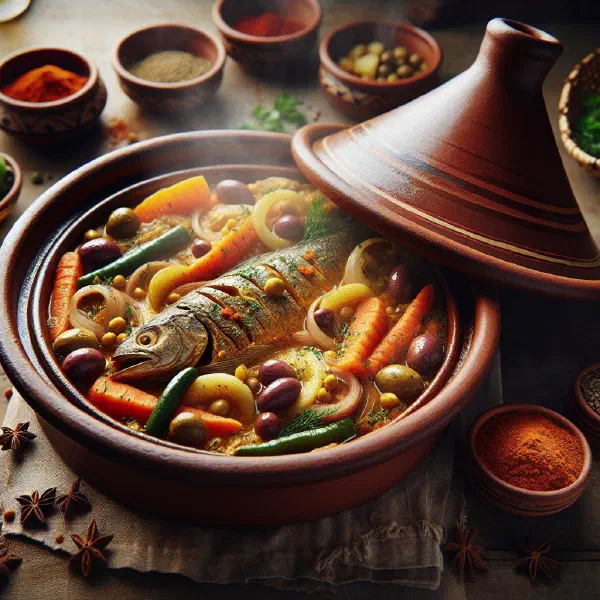
Samak bil Batata is a famous Libyan dish, prized above all for its distinctive flavours and the freshness of the fish at its heart. The pairing of delicate fish with flavourful potatoes strikes a harmonious balance that appeals to locals and visitors alike. More than a meal, this dish is a tour through North Africa and an expression of Libya’s rich cultural diversity. With its generous mix of spices, every portion becomes a feast for the senses.
Ingredients (serves 1–2)
- 300 g fresh fish (such as sea bream or mackerel)
- 2 large potatoes
- 2–3 cloves of garlic
- 1 lemon
- Spices: cumin, paprika, salt, pepper
- Olive oil
- Fresh herbs (parsley or coriander)
Shopping for the ingredients
For the best Samak bil Batata, the ingredients should be as fresh and as high in quality as possible. Visit a local market or fishmonger to find bright, fresh fish for the dish. Look for organic produce when choosing the potatoes and herbs to deepen the flavour. These small decisions bring out the taste and the wholesome, healthy character of the finished plate.
Preparing the dish
Good preparation is an essential step towards a successful Samak bil Batata. Begin by cleaning the fish thoroughly and removing the scales. Slice the potatoes thinly so they cook through evenly. Crush the garlic cloves and squeeze the lemon to create a fresh marinade. These steps make sure that every ingredient can develop its full flavour.
Step-by-step instructions
- Rub the fish with salt, pepper and a pinch of cumin.
- Fry the potato slices in a pan with olive oil until golden brown.
- In a separate bowl, mix the crushed garlic, paprika and lemon juice.
- Lay the fish over the potatoes and pour the spice mixture on top.
- Cover the pan and cook over low heat for about 20 minutes.
- Garnish with fresh herbs and serve hot.
Gluten-free / lactose-free version
Samak bil Batata is naturally gluten-free and lactose-free, which makes it an excellent choice for anyone with those intolerances. Just take care that the spices and oils you use are also free from gluten. The fresh ingredients guarantee a healthy, tasty dish that leaves no one out, so you can enjoy every aroma without a second thought.
Tips for vegans and vegetarians
Although Samak bil Batata is a fish dish, vegans and vegetarians can still enjoy a similar culinary experience. Swap the fish for tofu or vegetables such as courgette and aubergine, which sit beautifully alongside the same spices. Cook the vegetables with the identical spice blend and follow the same method, and the plant-based version becomes just as much of a treat, much like a hearty Vegetable Tagine.
More tips and tricks
A few simple touches can refine the dish even further. Experiment with different spices and herbs to discover new flavours, a pinch of saffron, for instance, lends the dish a special note. It also helps to let the fish rest in the marinade for a few hours before cooking so it soaks up the aromas more fully. Good kitchen habits are the key to getting this dish just right.
Adapting the recipe to your taste
The recipe for Samak bil Batata is highly adaptable and easy to shape around personal preference. Feel free to get creative. If you want a sharper kick, add more paprika or a little chilli powder. For an even more Mediterranean flair, scatter in black olives or capers. These tweaks tailor the dish to your taste and make it uniquely your own.
Ingredient substitutions
If certain ingredients are not to hand, there are plenty of alternatives to fall back on. In place of fresh fish you can use frozen fish, which often offers a similar texture and flavour. Sweet potatoes can stand in for regular potatoes to give the dish a gentler, sweeter note. Substitutions like these make the recipe more flexible and accessible to everyone.
Drink pairing ideas
Choosing the right drink can greatly enhance a plate of Samak bil Batata. Freshly squeezed lemon juice or a cup of mint tea offers a refreshing accompaniment that underlines the flavours of the dish. Alternatively, a glass of white wine, such as a dry Sauvignon Blanc, makes an elegant choice that adds a touch of finesse. Sparkling water with a squeeze of lemon is another refreshing and healthy companion.
Serving and presentation ideas
Thoughtful presentation can lift the whole experience. Serve Samak bil Batata on a large platter, garnished with fresh herbs and lemon slices for an eye-catching effect. A side of fresh bread or a colourful salad rounds out the picture nicely. Remember that we eat with our eyes first, and an attractive presentation makes the meal all the more inviting.
A bit of history
Libyan cuisine has a long and many-sided history, shaped by a range of cultures and traditions. Samak bil Batata reflects those Mediterranean influences and speaks to the Libyan love of fresh seafood and spices. Historically the dish was often served at family gatherings and festive meals, and it remains an important part of Libyan identity. By preparing it, you carry a piece of these cultural traditions into your own kitchen, a spirit shared across the wider world of Libyan cuisine.
More recipe ideas
Summary: Samak bil Batata
Samak bil Batata is more than just a dish; it is an invitation to discover the flavours and culture of Libya. Through fresh ingredients and a wealth of spices, it creates a unique taste experience that awakens the senses. The recipe adapts easily to personal preferences and can be made to suit a range of diets. Treat yourself to the chance to bring this culinary gem from North Africa to life in your own kitchen.