National Dish Liechtenstein: Chäshörnli (Recipe)

In this article
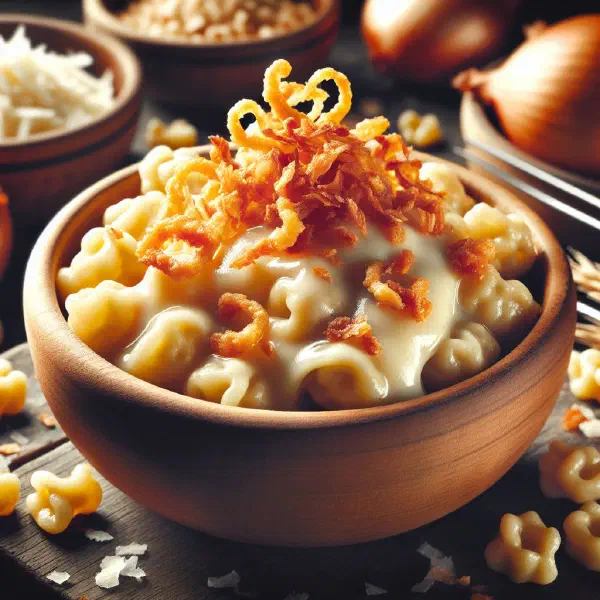
Say hello to Chäshörnli, the cosy cheese pasta that sits right at the heart of Liechtenstein’s Alpine kitchen. Small curved pasta shapes are folded through a molten tangle of Gruyère and softened onions until every forkful turns rich and comforting. It is the sort of no-fuss, feel-good dish that shines on a cold evening or when friends gather round the table. Bring a taste of the mountains straight into your own kitchen.
About Chäshörnli
Chäshörnli is far more than a simple supper. It is a true emblem of Liechtenstein cuisine. This hearty cheese pasta is built from pasta and a generous blend of different cheeses. Gruyère is the favourite, lending the dish its unmistakable, nutty flavour. Perfect for sociable gatherings or as a comfort food on chilly days, Chäshörnli is a must for anyone keen to discover the food of the Alps. It captures the rustic, warming spirit of mountain cooking in the most satisfying way.
Ingredients (serves 1–2)
- 200 g Hörnli (small curved pasta)
- 150 g Gruyère, grated
- 100 ml milk
- 50 g butter
- Salt and pepper to taste
- 1 onion, diced
Shopping for the ingredients
For Chäshörnli it really pays to choose good-quality produce. The Gruyère should be fresh and aromatic so the dish can show itself off at its best. Take care to pick up good pasta too, as it forms the very foundation of the recipe. Where you can, seek out regional products to underline the rustic charm of Alpine cooking, a well-stocked cheese counter or a local dairy is the ideal place to start.
Preparing the dish
Before you begin cooking Chäshörnli, lay out all your ingredients so everything is within easy reach. Chop the onion into small dice and grate the cheese if it has not been grated already. Getting the ingredients ready in advance is key to a smooth, unhurried cook. It also means the flavours of each component can come together beautifully once they meet in the pan.
Step-by-step instructions
- Cook the Hörnli in a large pan of salted water until al dente, following the packet instructions.
- Meanwhile, heat the butter in a frying pan and sauté the diced onions until soft and translucent.
- Drain the cooked pasta and tip it into the pan with the onions.
- Add the milk and the grated Gruyère, then stir everything together until the cheese has melted into a smooth sauce.
- Season with salt and pepper to taste, then serve straight away.
Gluten-free / lactose-free version
For a gluten-free take on Chäshörnli, simply reach for gluten-free pasta, which is now widely stocked in supermarkets. Instead of ordinary milk, use lactose-free milk or a plant-based alternative such as almond drink. Choose a lactose-free cheese that melts well too, and everyone with an allergy or intolerance can still tuck into this delicious dish without missing out.
Tips for vegans and vegetarians
For a vegan version, combine plant-based cheese alternatives with oat or soya milk to conjure up Chäshörnli. A scattering of nutritional yeast flakes deepens that cheesy note nicely. Vegetarian cooks can simply keep to the usual ingredients, as the dish contains no meat to begin with. Cooking the pasta in vegetable stock rather than plain water is an easy way to layer in extra flavour.
More tips and tricks
To make Chäshörnli even tastier, try blending in several cheeses, such as Emmental or a hearty mountain cheese. A whisper of nutmeg gives the dish a special lift. Toasted sunflower seeds or pine nuts also make a lovely topping, adding a welcome crunch. Feel free to experiment with herbs like thyme or rosemary to create different flavour experiences each time.
Adapting the recipe to your taste
The recipe for Chäshörnli takes wonderfully to personal tweaks. If you like things heartier, fry off a little bacon or ham and stir it through. For a more vegetable-forward version, work in a handful of broccoli or spinach. Much like a plate of Älplermagronen, it is a dish that invites you to give your creativity free rein and shape it exactly to your taste.
Ingredient substitutions
If you cannot lay your hands on Gruyère, other good melting cheeses such as Cheddar or Mozzarella step in happily. In place of Hörnli you could pick another pasta shape that clings to the cheese just as well, the kind of pasta that also stars in Käsknöpfle or Spätzli. And instead of butter, olive oil works fine for softening the onions. Swaps like these let you adjust the recipe without losing its character.
Drink pairing ideas
Plenty of drinks suit a hearty dish like Chäshörnli. A well-chilled white wine, perhaps a Sauvignon Blanc or a Riesling, sits beautifully against the cheese. Beer lovers might reach for a lightly aromatic brew or a fresh wheat beer. For an alcohol-free option, a refreshing herbal tea or a nicely balanced homemade lemonade rounds off the meal.
Serving and presentation ideas
With Chäshörnli, the eye eats too. Serve it in pretty, rustic bowls or gratin dishes to boost that feel-good factor. A few fresh herbs or a final flurry of grated cheese make an appealing garnish. Bring in some colour with a scattering of parsley or basil to play up the appetising, homely look of the plate.
A bit of history
The roots of Chäshörnli reach deep into Liechtenstein tradition, where cheese and pasta were prized for their keeping quality and easy availability. The dish reflects Alpine life, in which nourishing, flavourful food was a necessity. Every country has its own variations, yet in Liechtenstein Chäshörnli remains the classic, handed down across the generations. It brings people together over shared meals and celebrates local culture, the same warm spirit you find in a comforting bowl of Rösti.
More recipe ideas
Summary: Chäshörnli
In short, Chäshörnli is a simple yet wonderfully tasty dish that has won over countless hearts. With just a handful of ingredients you can put together something nourishing and full of flavour, suited to beginners and seasoned cooks alike. Let the food of the Alps inspire you and enjoy a little piece of Liechtenstein in your own home. Share it with friends and family, and taste the tradition for yourself.