National Dish Liechtenstein: Chnöpfli (Recipe)
In this article
Say hello to Chnöpfli, the little egg-noodle dumplings that sit right at the heart of Liechtenstein’s cooking. Tender morsels of dough are dropped into bubbling water, then tossed in golden butter and showered with grated cheese for a dish that is rustic simplicity at its very best. Close cousins to the better-known Swabian spätzle, they carry an unmistakable Alpine charm that works just as happily as a side as it does as a main. Bring a taste of the mountains straight to your own table.
About Chnöpfli
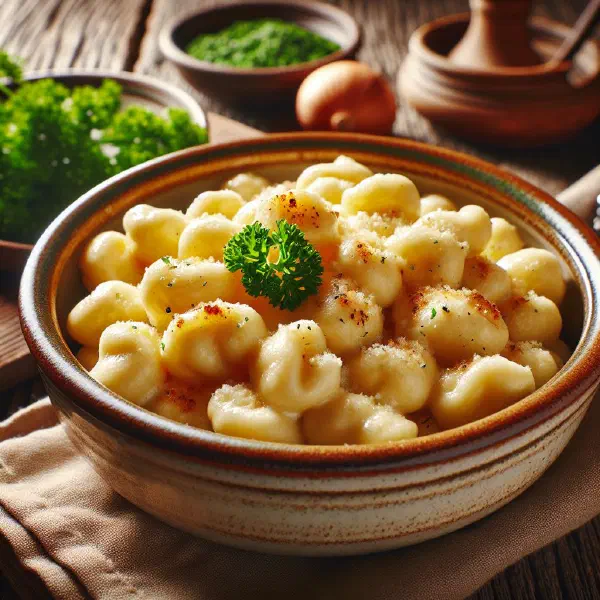
Chnöpfli are a traditional egg-noodle speciality from Liechtenstein, loved for how simple they are to make and how wonderfully comforting they taste. They are close relatives of the well-known spätzle, yet they follow their own tradition of ingredients and technique. Boiled until they bob to the surface and then finished in melted butter and grated cheese, they bring together the rustic simplicity of Alpine cooking with a flavour all their own. Equally at home as a hearty side or a satisfying main, Chnöpfli offer a genuine taste of this enchanting mountain region.
Ingredients (serves 1–2)
- 200 g flour (plain wheat flour works well)
- 2 eggs
- 1 pinch of salt
- 150 ml water (or milk for a richer flavour)
- Butter, for frying
- Grated cheese (such as Emmental or Gruyère), to taste
Shopping for the ingredients
Shopping for Chnöpfli could hardly be easier, as everything you need is readily available in most supermarkets. It is worth reaching for good-quality organic ingredients to get the very best flavour. The flour in particular should be fresh and of a high grade to guarantee the perfect texture of the dough. Choose fresh eggs too, as they make a real difference to the final result.
Preparing the dish
Before you begin, it helps to have all of your ingredients ready to hand. Start by tipping the flour into a large bowl and making a well in the centre. Add the eggs and salt, then gently start bringing everything together. Pour in the water little by little until you have a smooth dough that no longer sticks to your hands.
Step-by-step instructions
- Bring a large pan of salted water to the boil.
- Using a spoon, cut off small pieces of the dough and drop them into the boiling water.
- The Chnöpfli are done once they rise to the surface, which usually takes 2–4 minutes.
- Lift the cooked Chnöpfli out with a slotted spoon and let them drain.
- Heat the butter in a frying pan and toss the Chnöpfli until glossy.
- Scatter with grated cheese just before serving.
Gluten-free / lactose-free version
To make gluten-free Chnöpfli, simply swap the wheat flour for a gluten-free blend, making sure it has a texture similar to wheat flour so the dough behaves the same way. For a lactose-free version, use water instead of milk, or reach for a plant-based milk alternative. That way the dish stays accessible and delicious for anyone with special dietary needs.
Tips for vegans and vegetarians
Vegans can enjoy Chnöpfli by replacing the eggs with a plant-based alternative, such as apple purée or ground flaxseed mixed with water. Just take care to adjust the dough to the right consistency. A little bean purée also works nicely as an egg substitute and lends the dumplings an interesting note. For vegetarians the traditional ingredients are already ideal, and a scattering of fresh herbs is a lovely way to lift the flavour further.
More tips and tricks
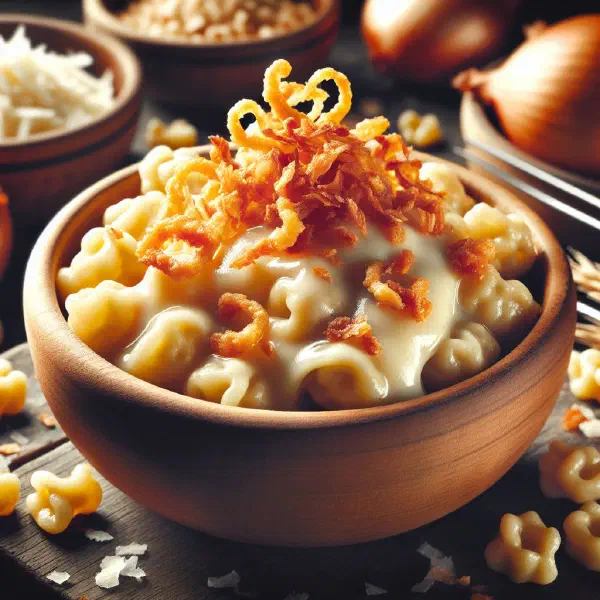
One key tip is to cook the Chnöpfli in small batches so they cook through evenly. The way you cut the dough can be creative too. Try out different shapes and sizes as you go. For the perfect texture, let the dough rest for a few minutes after the first mix. You can also dress the dish up with fresh herbs or crispy fried onions to make it even more moreish.
Adapting the recipe to your taste
Depending on your mood, the basic recipe is easy to tweak. Experiment with different flours, such as spelt or buckwheat, to discover new flavours. A pinch of spice, paprika or a spoonful of nut butter, can shift the character of the Chnöpfli too. Vary the cheese to suit your taste and whatever is in season, so the dish always feels fresh and inventive. If you love that combination, try the closely related Kässpätzle.
Ingredient substitutions
Several ingredients can be swapped without losing the characteristic taste of the Chnöpfli. Cornmeal, for example, gives the dough a gently sweet note. To cut back on cholesterol, replace the eggs with chia seeds, which have binding properties of their own. And when it comes to the fat, olive oil in place of butter makes for a lighter version of the dish, much like the wholesome approach behind classic Älplermagronen.
Drink pairing ideas
Chnöpfli go beautifully with all manner of drinks. A classic regional white wine, such as a Pinot Gris or a Chardonnay, is a perfect match for the rich, cheesy element of the dish. For a non-alcoholic option, consider a fruity grape juice or a homemade raspberry iced tea. A fizzy apple spritzer also makes a refreshing companion to a bowl of Chnöpfli.
Serving and presentation ideas
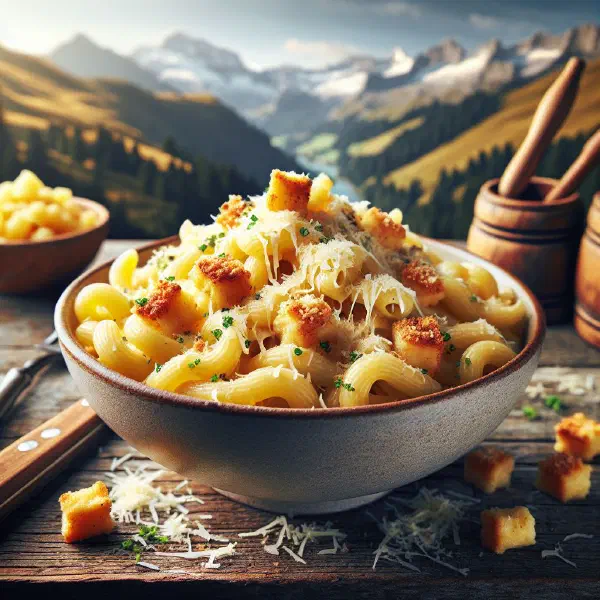
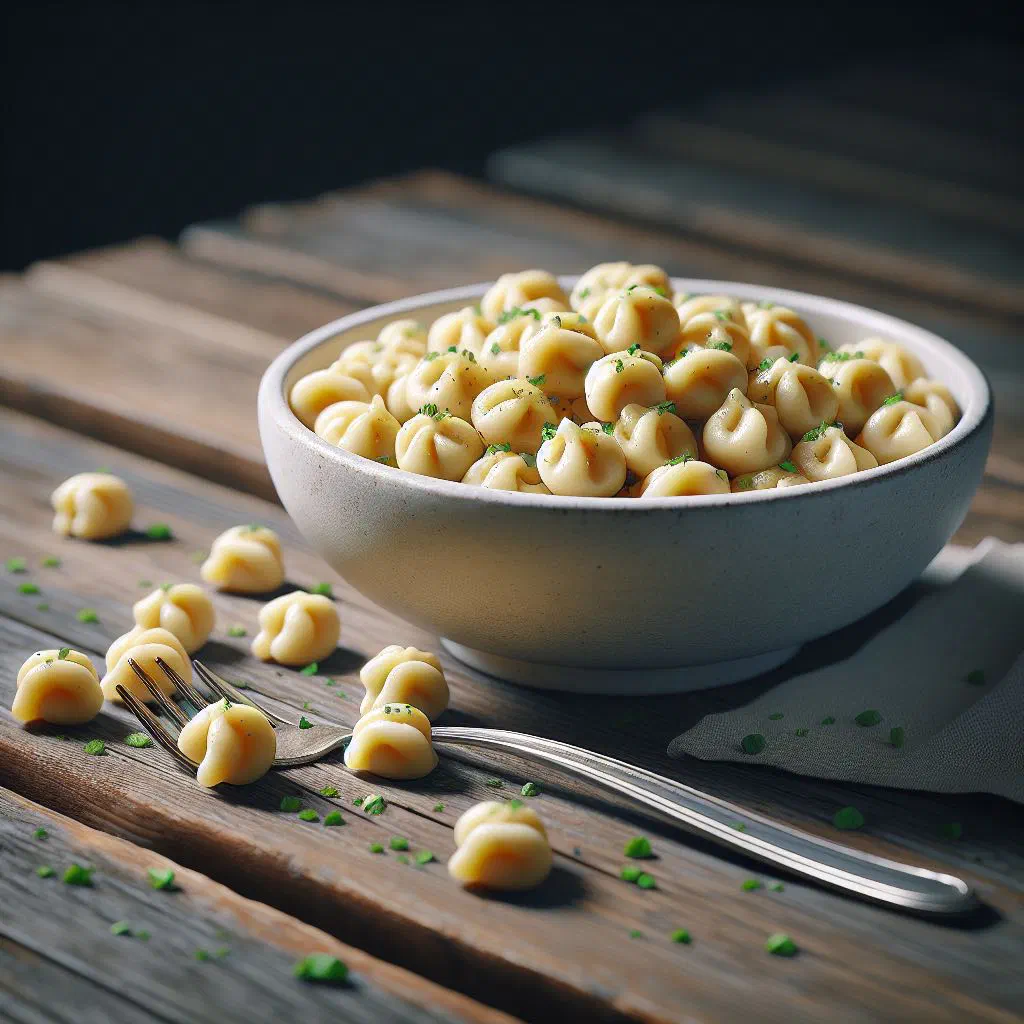
To serve Chnöpfli at their most appetising, pile them into a lovely bowl and scatter over freshly chopped herbs such as parsley or chives. A few slices of tomato or cucumber on the side bring a welcome splash of colour. You might also set out small dishes of different cheeses so guests can mix and match to their liking. A hearty green salad on the side rounds off the presentation and provides a fresh contrast to the creamy dish.
A bit of history
Chnöpfli have their roots in traditional Alpine cooking and are known right across the German-speaking region. The name “Chnöpfli” comes from knöpfen, a nod to the little button-like shapes the dough forms as it is cut. In Liechtenstein they are a culinary highlight and part of the cultural heritage, often appearing at festivals and celebratory occasions, a link that only adds to their popularity. They sit within the same comforting tradition as many other dishes of Liechtenstein cuisine.
More recipe ideas
Summary: Chnöpfli
All in all, Chnöpfli are a delicious dish of Liechtenstein’s kitchen that leaves plenty of room for creativity. They are simple to make and hugely popular. The use of fresh ingredients and the ease with which the recipe can be adapted make them an ideal dish for any occasion. Give Chnöpfli a try and enjoy a varied, flavour-packed experience that brings a little piece of Liechtenstein into your home.