National Dish Liechtenstein: Lebkuchen (Recipe)
In this article
Discover Lebkuchen, one of Liechtenstein’s most beloved festive treats. These fragrant, spice-laden biscuits are built on a warming blend of honey, nuts and traditional baking spices, and they fill the kitchen with the unmistakable scent of the winter season. They carry a genuine piece of Alpine tradition. Bring a taste of Liechtenstein straight to your own table.
About Lebkuchen
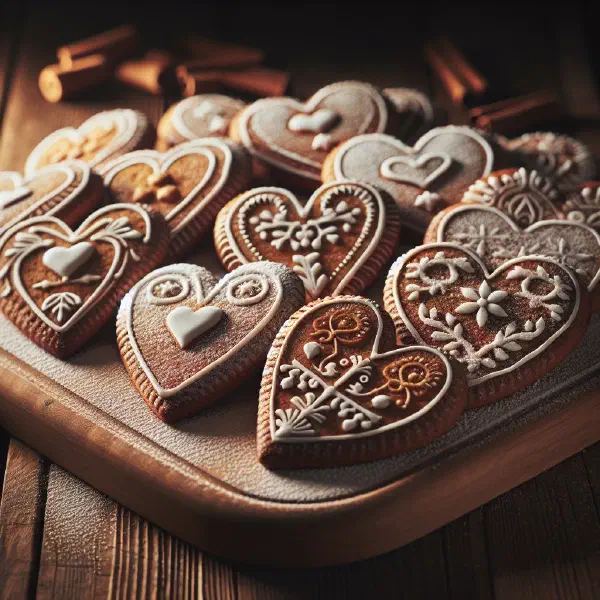
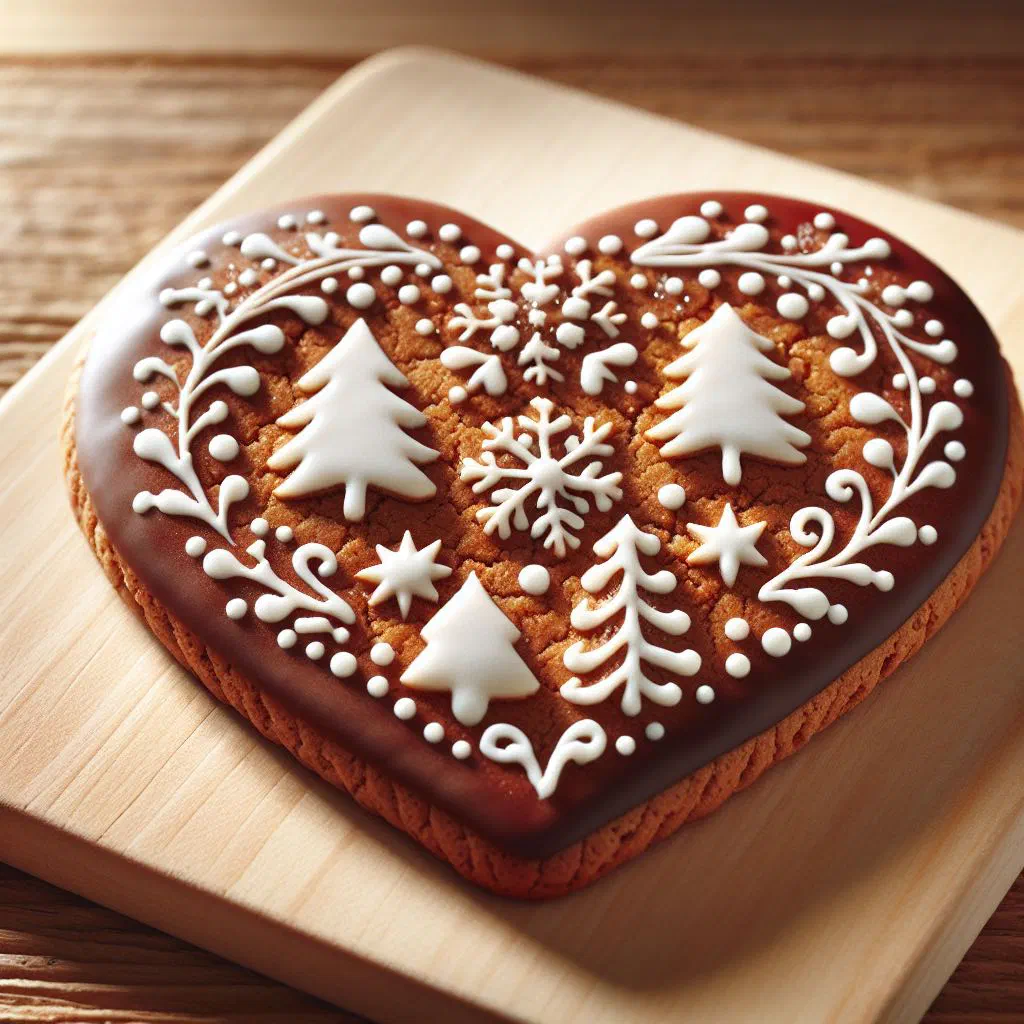
Lebkuchen are a traditional national dish of Liechtenstein and enjoy great popularity well beyond the winter months. These intensely spiced biscuits are defined by their aromatic mix of honey, nuts and warming spices, and they are often presented in various shapes finished with different glazes or fillings. Lebkuchen bring a slice of Liechtenstein culture into our kitchens.
Ingredients (serves 1–2)
- 200 g honey
- 150 g brown sugar
- 250 g flour (or gluten-free flour)
- 2 tsp gingerbread spice mix
- 1 tsp baking powder
- 150 g ground nuts (such as hazelnuts or almonds)
- 1 egg
- optional: sugar glaze
Shopping for the ingredients
The ingredients for Lebkuchen are, for the most part, available in any supermarket. Special spices such as gingerbread spice mix can be found in well-stocked food shops or health-food stores. It is worth checking the quality of the nuts, as fresh nuts can make a real difference to the flavour. For a gluten-free option, make sure the flour you use is clearly labelled as gluten-free. Many of these store-cupboard staples also feature in a classic Nusstorte.
Preparing the dish
Before the actual preparation begins, it is important to get the ingredients ready. Measure out the quantities precisely so that the whole recipe comes together smoothly. Sift the flour into a large bowl to avoid any lumps. The nuts should be roughly chopped or, if already ground, simply set aside ready to use.
Step-by-step instructions
- Gently warm the honey and brown sugar in a pan until the sugar has dissolved.
- Let the mixture cool a little, then add the egg and stir well to combine.
- Combine the dry ingredients (flour, gingerbread spice, baking powder and nuts) in a separate bowl.
- Add the liquid ingredients to the dry ingredients and mix everything into a smooth dough.
- Wrap the dough in cling film and chill in the fridge for at least an hour.
- Preheat the oven to 180°C and line a baking tray with baking paper.
- Roll out the dough on a floured surface and cut out biscuits.
- Bake the biscuits for about 10–12 minutes, until golden brown.
- Once baked, leave the Lebkuchen to cool and, if you like, decorate with a sugar glaze.
Gluten-free / lactose-free version
To make gluten-free Lebkuchen, use suitable products such as gluten-free flour. Take care that the other ingredients, such as the honey or the nuts, are also appropriate for a gluten-free diet. For a lactose-free version, the egg can be replaced with a plant-based alternative to create a vegan bake. Either way, the flavours of the Lebkuchen remain every bit as delicious in their gluten- and lactose-free form.
Tips for vegans and vegetarians
For a vegan version of the Lebkuchen, you can use a mixture of water and chia seeds in place of the egg to act as an egg substitute. In addition, plant-based margarine can be used instead of butter to guarantee a full, rounded flavour. Many of the spices and ingredients in Lebkuchen are already vegan-friendly, so you can enjoy the aromas without a second thought. Make sure the nuts and honey you choose come from responsibly managed sources to guarantee the highest quality.
More tips and tricks
For the best possible result, it is important not to knead the dough for too long, as the biscuits can otherwise turn tough. The dough can also be prepared well in advance and stored overnight in the fridge. For a special touch, work chocolate chips or dried fruit into the dough. Experiment with the spices to create a unique flavour that suits your own taste.
Adapting the recipe to your taste
The Lebkuchen recipe is easy to adapt to personal preference. You could vary the type of nuts you use, for example, or add other flavours such as vanilla or cinnamon. The sweetness can also be adjusted by using less sugar or by reaching for alternatives such as maple syrup. Don’t hesitate to create your own personal favourite flavour experience.
Ingredient substitutions
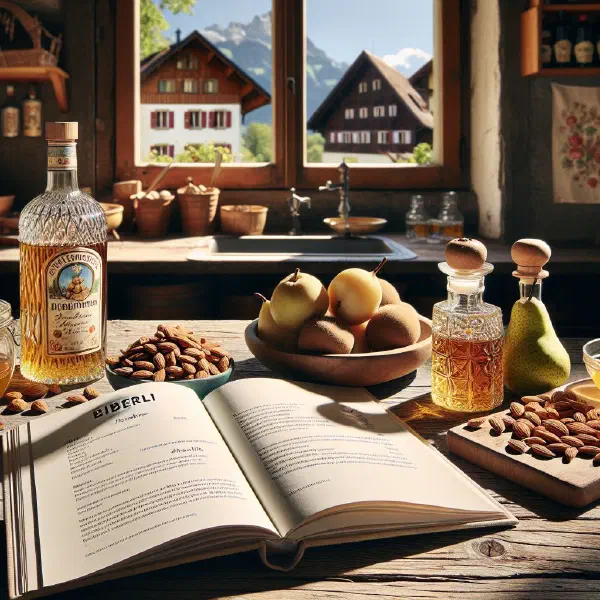
If you are not keen on nuts, you can use various seeds such as chia or sunflower seeds to keep the structure of the Lebkuchen. If you have no honey to hand, agave syrup also works beautifully as a sweetening substitute. For the glaze, instead of a sugar icing you can simply stir together icing sugar with water for a quick and delicious decoration. Be creative and let your imagination run free when choosing your ingredients, much as you might when making a batch of spiced Biberli.
Drink pairing ideas
Warm drinks such as tea, mulled wine or a creamy hot chocolate are the perfect match for these delicious Lebkuchen. A mild black tea complements the spice notes wonderfully, while a robust red wine adds a heartier accent. For an alcohol-free option, an aromatic apple punch also comes highly recommended. These combinations turn any celebration into an even greater treat.
Serving and presentation ideas
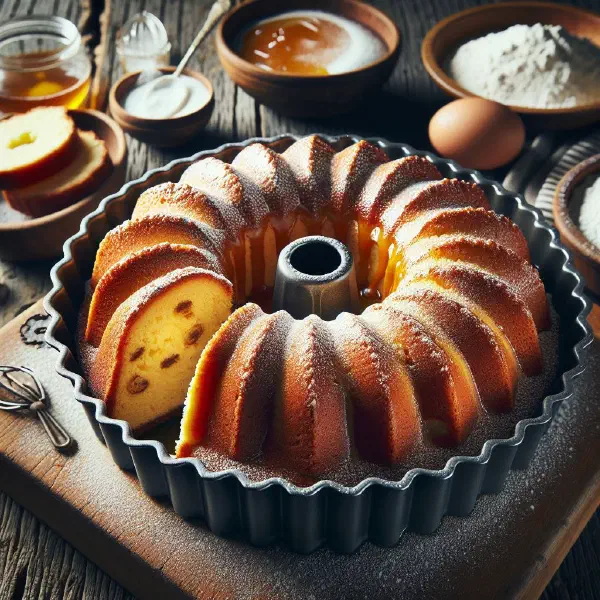
The presentation of the Lebkuchen can pleasure your guests all the more. Use pretty serving plates or decorative bowls to arrange the biscuits invitingly. Decorate them with colourful icing or edible glitter to lend the whole spread a festive note. A neat wrapping in clear bags tied with a rich ribbon also makes a lovely gift idea for friends and family, right alongside a slice of Rueblitorte.
A bit of history
The history of Lebkuchen stretches back many centuries, and they are closely tied to the Christmas season. Originally, Lebkuchen were baked by monks in monasteries and used as both medicine and sweet treat. Over the years, different traditions and recipes developed that vary from region to region. In Liechtenstein, a distinctive local form of Lebkuchen has become established, standing out for its unique flavour and firmly rooted in the wider tradition of Liechtenstein cuisine.
More recipe ideas
Summary: Lebkuchen
Lebkuchen are more than just a tasty bake; they embody the warmth and festivity of Liechtenstein. With their unique aroma of spices, honey and nuts, they bring a piece of tradition into the modern kitchen. They are wonderfully versatile to prepare and adapt easily to particular dietary needs. Whether as a sweet snack, a festive gift or an accompaniment to your favourite drink, Lebkuchen are guaranteed to leave a lasting impression on your guests.