National Dish Lithuania: Cabbage Rolls (Recipe)
In this article
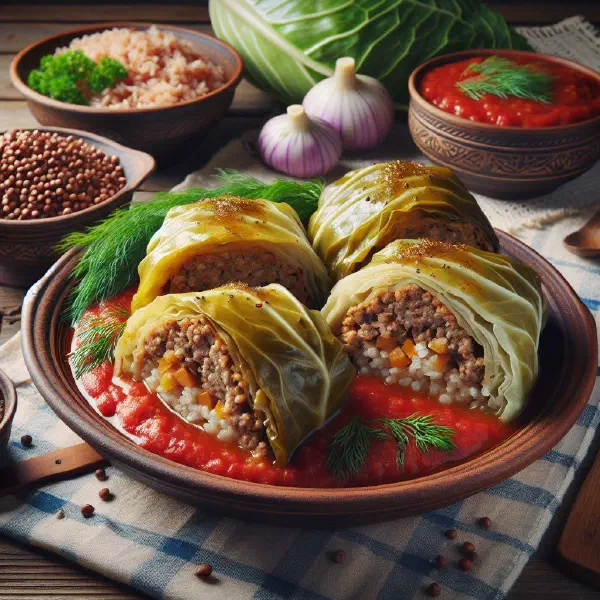
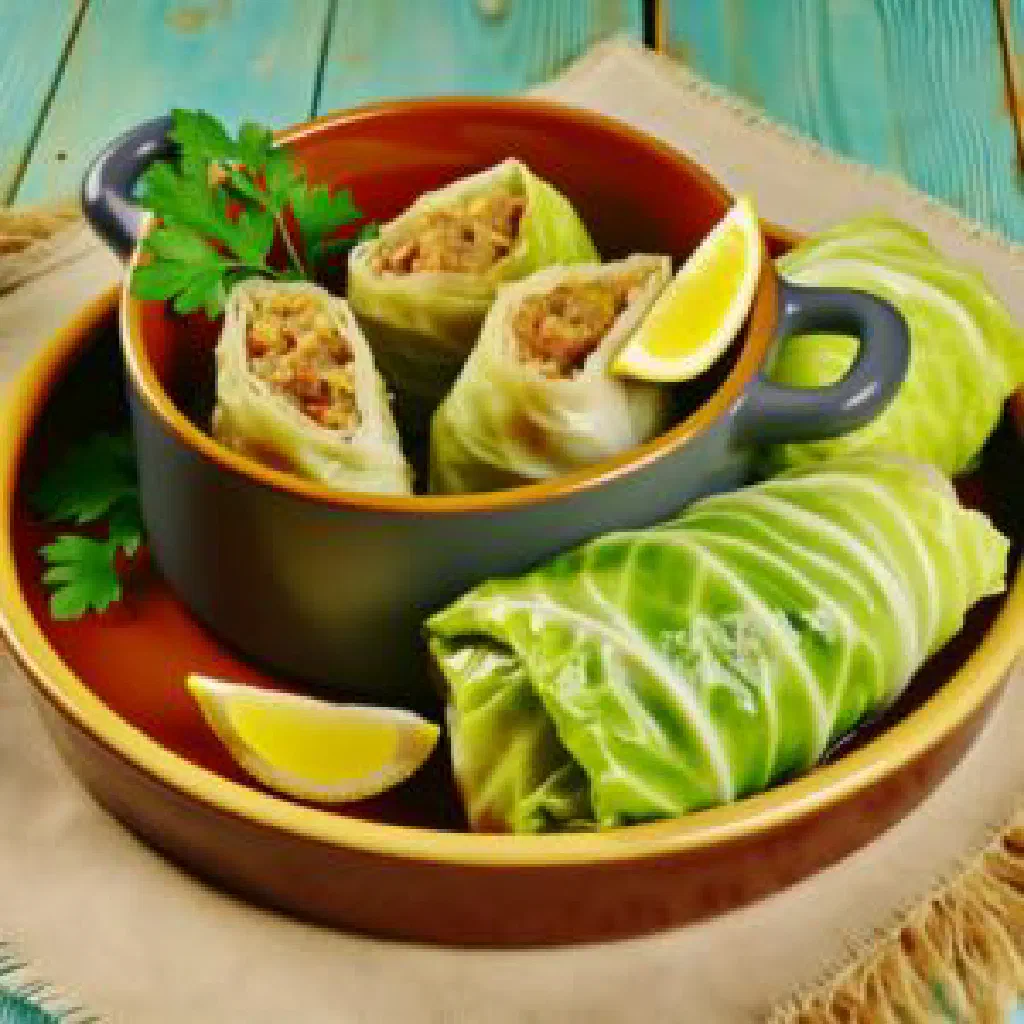
Meet Balandėliai, a heartwarming Lithuanian classic that has won over cooks and diners alike. These tender stuffed cabbage rolls wrap blanched cabbage leaves around a savoury filling of minced meat and rice, gently simmered until soft and fragrant. Rich, nourishing and quietly festive, they are the sort of dish that turns an ordinary evening into an occasion, and a wonderful introduction to the comforting flavours of Eastern Europe.
About Cabbage Rolls
Balandėliai are a truly traditional Lithuanian national dish that has taken the hearts of many by storm. These hearty stuffed cabbage rolls combine tender, blanched cabbage leaves with a delicious filling of minced meat and rice. The dish is a highlight in terms of flavour and a perfect example of rich, nourishing Eastern European cooking. Whether for a special occasion or a festive meal, balandėliai are always a real showstopper and an absolute pleasure.
Ingredients (serves 1–2)
- 1 small head of white cabbage
- 250 g mixed minced meat (beef and pork)
- 100 g rice (preferably long-grain)
- 1 onion
- 1 clove of garlic
- 1 egg
- Salt and pepper to taste
- 2 tablespoons vegetable oil
- 500 ml stock (with or without meat)
Shopping for the ingredients
When shopping for the ingredients for balandėliai, it is important to choose fresh, good-quality produce. The white cabbage should be firm and crisp, with no visible discolouration or shrivelled spots. The minced meat should be as fresh as possible, and depending on your preference you can use beef, pork or a mixture of both. For the rice, long-grain rice is a good choice, as its flavour and texture suit the filling perfectly.
Preparing the dish
Before you start making the balandėliai, it is important to prepare all the ingredients carefully. The onion and garlic clove should be finely chopped so they spread evenly through the filling. The rice can be cooked in advance so it is soft and easy to combine. It is also a good idea to gently separate the outer leaves of the white cabbage so that the filling can be wrapped up neatly later on.
Step-by-step instructions
- Cook the rice according to the packet instructions and leave it to cool.
- Blanch the cabbage leaves in boiling water for about 2–3 minutes, until soft.
- Heat the vegetable oil in a pan and gently fry the onion and garlic until translucent.
- In a bowl, combine the minced meat, cooked rice, onions, egg, and salt and pepper.
- Fill the blanched cabbage leaves with the meat-and-rice mixture and roll them up carefully.
- Place the rolls in a pot and pour over the stock so that they are lightly covered.
- Cook the rolls for about 40 minutes over low heat.
Gluten-free / lactose-free version
Balandėliai are easy to make gluten-free and lactose-free. Simply use a gluten-free roll or a suitable gluten-free coating in place of ordinary bread in the filling. The stock should also be gluten-free, which is usually straightforward to arrange. For a lactose-free version, you can use vegetable oil and reach for lactose-free products without noticeably changing the flavour.
Tips for vegans and vegetarians
For vegan and vegetarian alternatives to balandėliai, you can vary the filling. Instead of meat, use a mixture of cooked vegetables, lentils or plant-based mince. The rice can also be swapped for quinoa or bulgur to add interesting textures. Season the mixture with fresh herbs to intensify the flavour and give the dish a lift. A hearty vegetable base makes them just as satisfying as the Darzoviu Troskinys many Lithuanian cooks turn to.
More tips and tricks
To keep the dish especially juicy, pour a little stock or tomato sauce over the balandėliai before cooking. This ensures the rolls do not dry out while they simmer. Another tip is to briefly finish the rolls in the oven after cooking to achieve a crisp top. Experiment with different spices to adjust the flavour profile to your own liking.
Adapting the recipe to your taste
The recipe for balandėliai is easy to adapt to personal tastes. Try different fillings, such as with mushrooms or cheese, to add a new dimension of flavour. The choice of cabbage can vary too. You might use savoy cabbage or kale instead. Vary the seasoning by adding paprika, herbes de Provence or a pinch of chilli, for example, to make the dish more interesting.
Ingredient substitutions
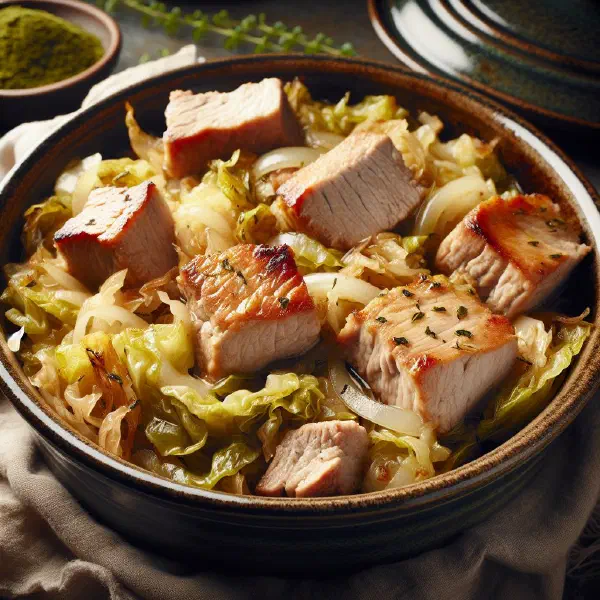
Don’t have all the ingredients to hand? No problem. Instead of mixed minced meat, you can use chicken or turkey mince. For vegetarians or vegans, pulses such as black beans or chickpeas make great alternatives. To prepare the stock, you can use homemade vegetable stock instead of shop-bought stock cubes, which is fresher and more nutritious, much like the base of a hearty Kopustu Troskinys.
Drink pairing ideas
A range of drinks pairs beautifully with balandėliai, complementing the dish’s flavours superbly. A lightly chilled Riesling or a Chardonnay makes an ideal wine partner, underlining the savoury taste of the rolls. For a non-alcoholic option, a fresh raspberry juice or a simple sparkling water with a splash of lemon works well. These drinks turn the meal into a memorable experience. For something distinctly Lithuanian, a glass of Ciberzoles Gira is well worth a try.
Serving and presentation ideas
An attractive presentation can lift the balandėliai experience considerably. Serve the rolls on a colourful plate, perhaps arranged side by side to please the eye. Add fresh herbs such as parsley or dill as a garnish to bring a splash of colour to the plate. Small pieces of fresh vegetable sides offer flavour and colour and vitality. A spoonful of Rauginti Kopustai alongside makes a fitting, tangy accompaniment.
A bit of history
Balandėliai have their roots in traditional Lithuanian cooking, which is strongly shaped by regional ingredients and rural life. The dish was originally developed as a nourishing solution for cold winter days and remains a much-loved family meal to this day. Traditionally, the fillings were varied according to whatever was on hand, which led to a wealth of regional variations. Nowadays balandėliai are highly prized not only in Lithuania but across other Eastern European countries too, a shining example of Lithuanian cuisine.
More recipe ideas
Summary: Cabbage Rolls
Balandėliai are a delicious and nourishing dish that is perfect for any occasion. These stuffed cabbage rolls are a treat for young and old alike. With the right preparation and a few adjustments to personal taste, anyone can recreate this Lithuanian meal and serve up a helping of its warmth and culture. Let the flavours of Eastern Europe work their magic and enjoy this heartfelt dish.