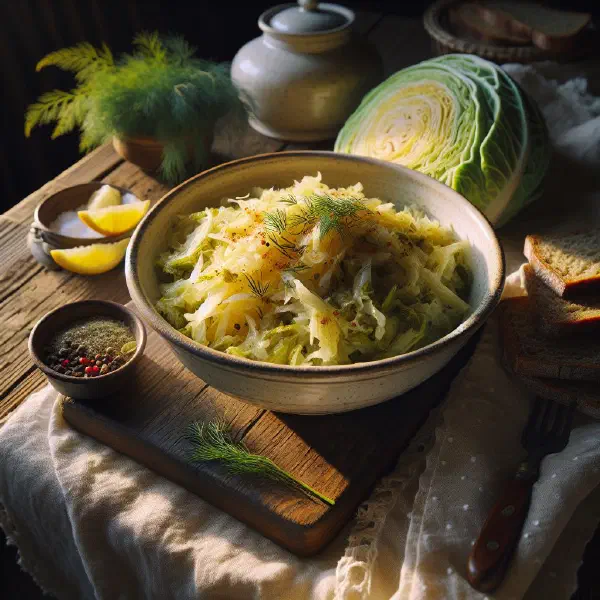
National Dish Lithuania: Rauginti Kopūstai (Recipe)
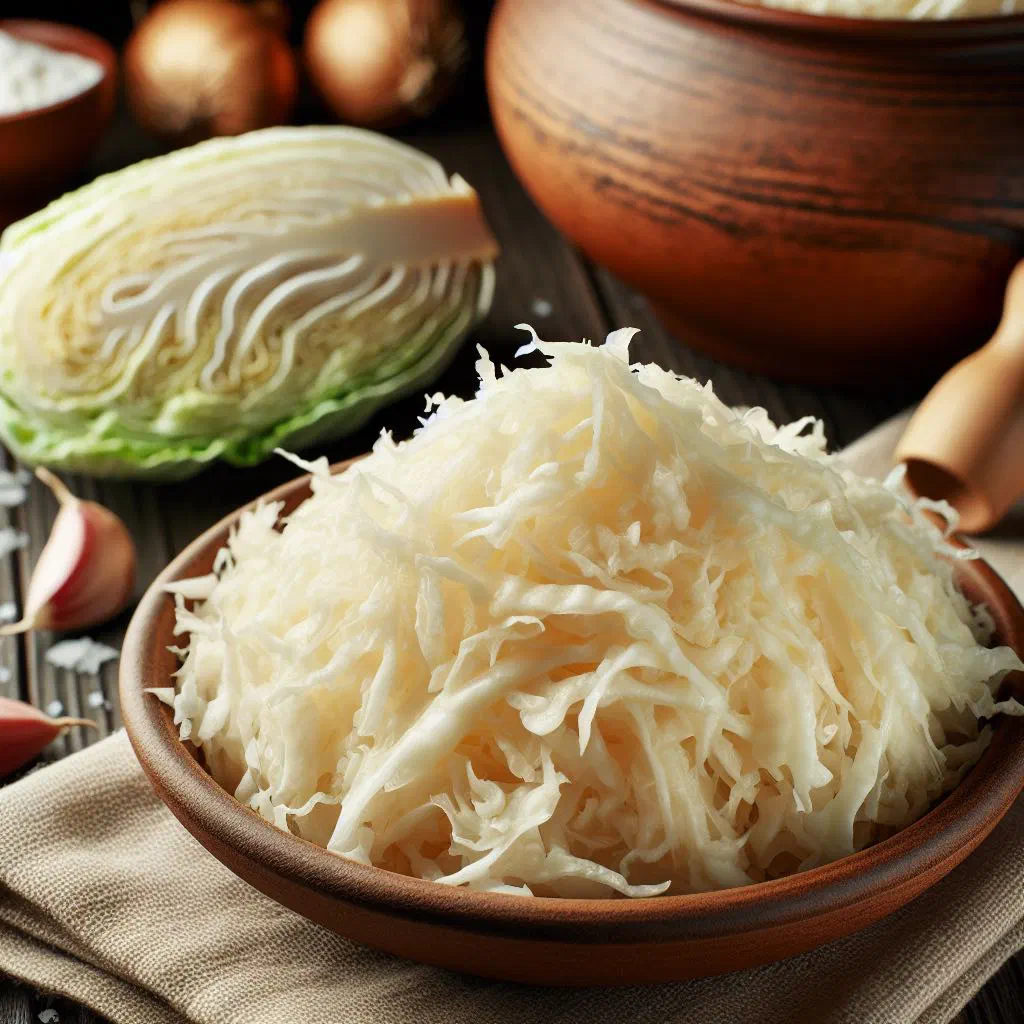
In this article
Say hello to Rauginti kopūstai, Lithuania’s homely take on braised sauerkraut and a cornerstone of the country’s winter table. Fermented cabbage is gently cooked with softened onions and warming caraway until every forkful is tangy, savoury and deeply comforting. Naturally rich in probiotics and packed with flavour, it is the kind of humble side dish that has kept Lithuanian households fed through the coldest months for generations. Bring a taste of the Baltic straight to your own kitchen.
About Rauginti Kopūstai
The traditional Lithuanian dish Rauginti kopūstai is far more than a simple side; it is a celebration of fermented flavours. Made from fresh sauerkraut, it brings the very essence of Lithuanian cooking to the table. Fermented vegetables are wholesome and carry a centuries-old tradition throughout the Baltic and Nordic countries. Thanks to its probiotic properties, this dish supports healthy digestion and helps strengthen the immune system, all while delivering a satisfying, tangy taste.
Ingredients (serves 1–2)
- 400 g sauerkraut
- 1 medium onion, diced
- 2 tablespoons vegetable oil
- 1 teaspoon caraway seeds
- Salt and pepper to taste
Shopping for the ingredients
The ingredients for Rauginti kopūstai are available in almost any supermarket or at your local farmers’ market. Take care to choose fresh sauerkraut, ideally from a regional producer, to capture the best flavours. Other key ingredients such as caraway and onions are equally easy to find. Buy the best quality you can to prepare a tasty and authentic dish that does justice to this Lithuanian classic.
Preparing the dish
Before you begin cooking Rauginti kopūstai, it is important to have all your ingredients ready to go. Dice the onions finely and make sure the sauerkraut is well drained. Follow the instructions in the step-by-step section to achieve the best possible result. With a little groundwork you will be able to combine the aromas perfectly and create a wonderfully harmonious dish.
Step-by-step instructions
- Heat the vegetable oil in a pan and sauté the diced onions until translucent.
- Add the sauerkraut and the caraway seeds, stir well and cook over medium heat for about 10 minutes.
- Season with salt and pepper. Lower the heat and let the dish simmer for a further 10–15 minutes.
- Serve the finished Rauginti kopūstai warm, or let it cool for later use.
Gluten-free / lactose-free version
Preparing Rauginti kopūstai is naturally gluten-free and lactose-free. No special ingredients are needed, which makes this dish suitable for anyone with intolerances. You can adjust the recipe as you wish, for example by using gluten-free oils, but this is generally not necessary. Enjoy the wholesome combination of vegetables and spices without a second thought.
Tips for vegans and vegetarians
The recipe for Rauginti kopūstai is ideal for vegans and vegetarians. As it contains no animal products, it is an excellent choice for a plant-based diet. You can round out the dish with extras such as carrots or peppers for more flavour and texture. These little additions make for a more varied meal and add extra nutrients to your plate.
More tips and tricks
For the perfect Rauginti kopūstai, a few useful tips go a long way. Chop the sauerkraut into smaller pieces to ensure it cooks evenly. Experiment with different spices, such as black cumin or thyme, to add your own personal touch. It also helps to stir the dish frequently to prevent it from catching and to encourage an even, gentle browning throughout.
Adapting the recipe to your taste
The great thing about Rauginti kopūstai is its versatility. You can easily tailor the recipe to your own preferences. Like it hotter? Add a little chilli or paprika powder. For a sweeter version, a touch of sugar or honey works beautifully. Adjustments like these turn this traditional dish into a truly unique taste experience that appeals to everyone at the table.
Ingredient substitutions
If you do not have every ingredient to hand, there are plenty of alternatives for Rauginti kopūstai. Instead of sauerkraut you could use red cabbage, though the flavour will be a little milder, much as it is in a hearty Kopustu Troskinys. If you are not keen on onions, try spring onions or garlic instead. The exact result may vary, but the fundamental flavours remain and your dish will still be delicious.
Drink pairing ideas
A range of drinks pairs wonderfully with Rauginti kopūstai. A light wheat beer or a fresh rosé harmonises beautifully with the tang of the fermented cabbage. For an alcohol-free option, serve homemade lemonade or a warming ginger tea, both of which add their own refreshing note. You might also reach for a traditional Ciberzoles Gira to round off the culinary experience.
Serving and presentation ideas
The presentation of Rauginti kopūstai can lift the whole dining experience. Use colourful plates to arrange the dish attractively. Garnished with a few fresh herbs, such as parsley or chives, it looks appetising and gains extra aroma.
A bit of history
Rauginti kopūstai has a fascinating history rooted deep in Lithuanian culture. Fermenting foods was once a common way to preserve them through the winter and lock in their nutrients. In many Lithuanian households it is a staple, often enjoyed during the coldest months alongside dishes such as Karka Su Kopustais. The traditional preparation is passed down from generation to generation and holds a special place in Lithuanian cuisine.
More recipe ideas
Summary: Rauginti Kopūstai
In summary, Rauginti kopūstai is a genuine taste experience. This combination of fermented sauerkraut and gentle spices offers a wholesome, nutrient-rich side that pairs perfectly with a wide range of dishes. As it is both vegan and gluten-free, it is an excellent choice for many different diets. Let Lithuanian cooking inspire you and enjoy the many variations of this traditional recipe.