National Dish Lithuania: Ruginė duona (Recipe)
In this article
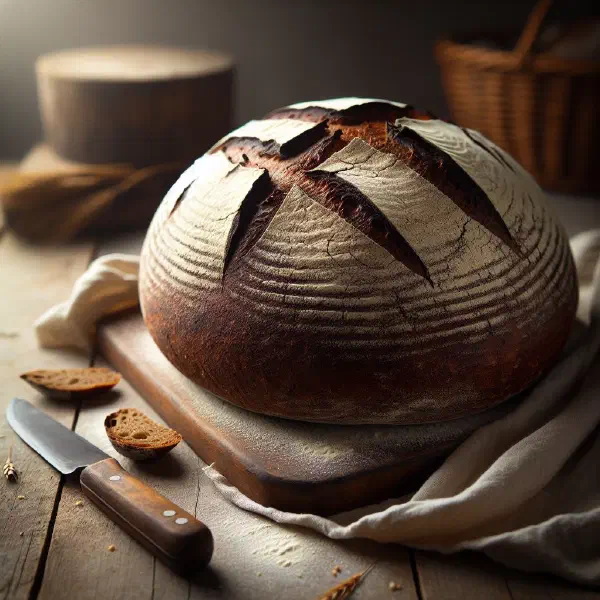
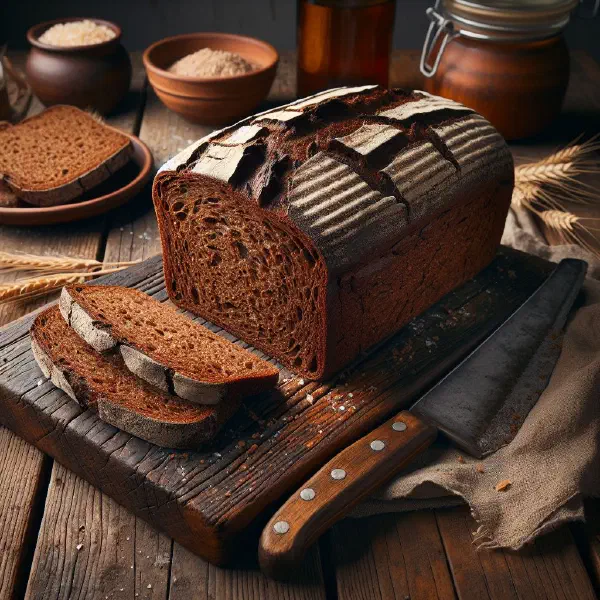
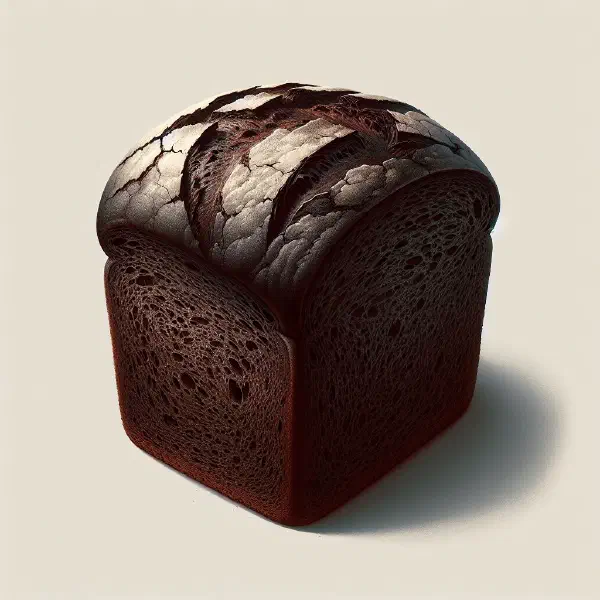
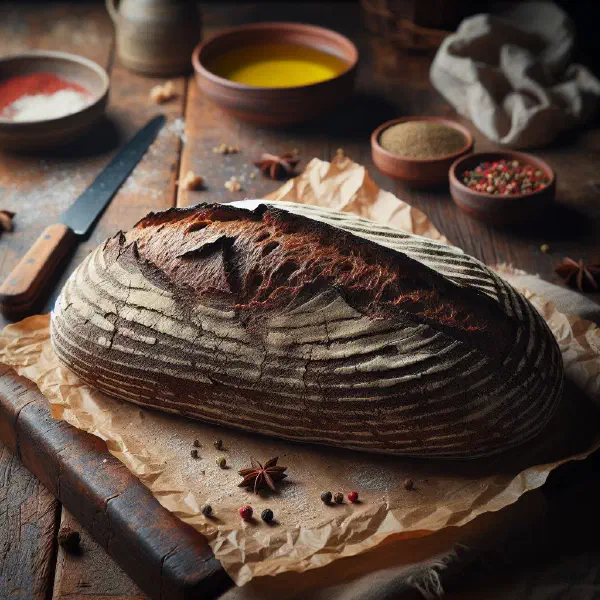
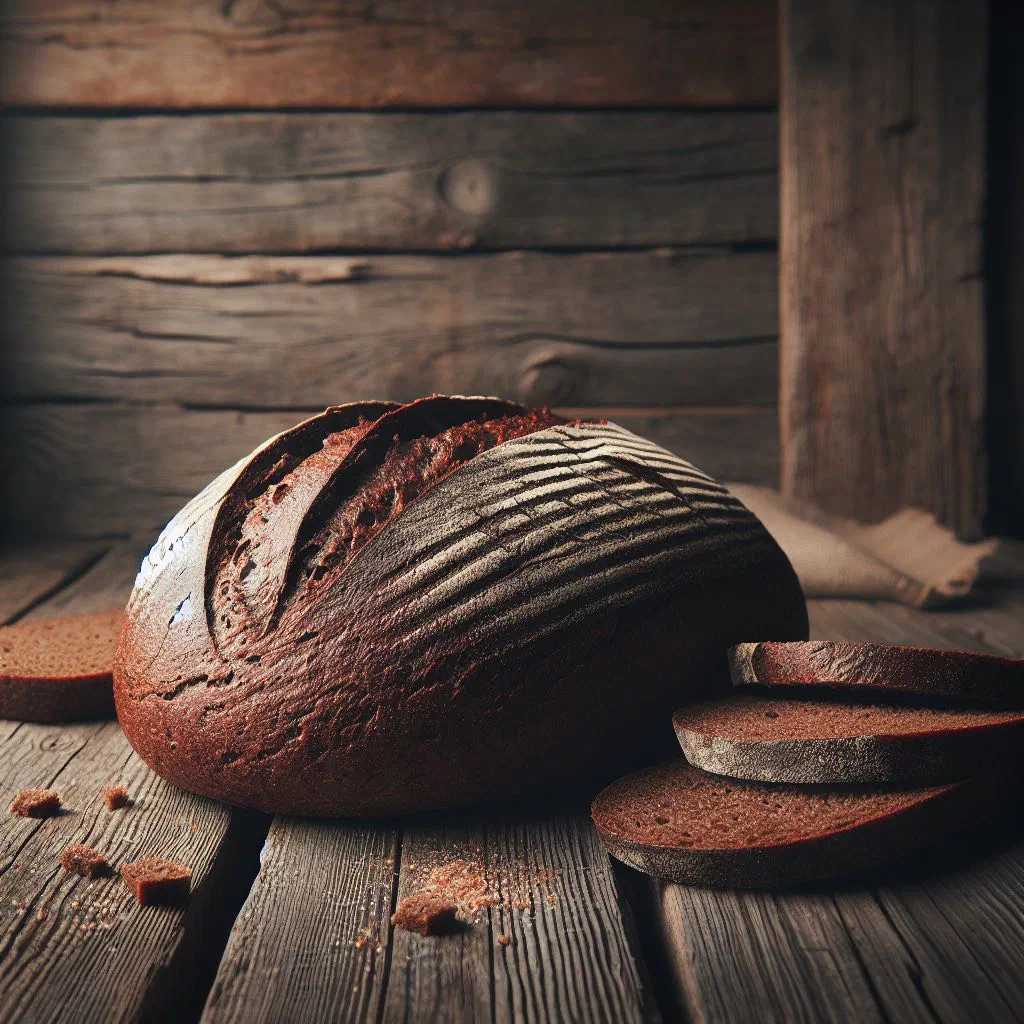
Meet Ruginė duona, the hearty rye bread that sits at the very heart of Lithuanian cooking. With its dense, chewy crumb, dark crust and deep, faintly sour flavour, this loaf has been baked in Lithuanian kitchens for centuries. Made from 100% rye flour and given a long, patient fermentation, it is far more than a side dish. It is a taste of Lithuania itself. Bring a little of that time-honoured tradition to your own table with this straightforward recipe.
About Ruginė duona
Ruginė duona is a traditional Lithuanian rye bread celebrated for its distinctive texture and robust, full-bodied flavour. It has been baked in homes across the country for generations and remains a cornerstone of Lithuanian food culture. What sets this aromatic loaf apart is the use of 100% rye flour together with a long fermentation, which lends it a character all of its own. Many Lithuanians enjoy Ruginė duona as an accompaniment and as the foundation for any number of hearty dishes.
Ingredients (serves 1–2)
- 500 g rye flour
- 300 ml water
- 10 g salt
- 1 teaspoon sugar
- 2 teaspoons sourdough starter or yeast
Shopping for the ingredients
To make Ruginė duona properly, you will want good-quality ingredients that support its authentic flavour. Rye flour is available in most supermarkets and bakeries, and the quality of the flour has a real impact on the finished loaf. Use fresh water, as it plays a key part in the fermentation. Natural sourdough or fresh yeast is equally important for helping the bread rise well and for achieving that characteristic taste.
Preparing the dish
Begin by preparing your ingredients: sift the rye flour into a large bowl so it is even and blends well with everything else. The salt does important work here, strengthening the flavour of the bread and supporting the fermentation. Don’t forget to get your sourdough or yeast ready in good time, so the dough has plenty of opportunity to prove.
Step-by-step instructions
- In a large bowl, combine the rye flour, salt and sugar.
- Add the water and mix thoroughly until you have a sticky dough.
- Stir in the sourdough starter or yeast and mix well again.
- Transfer the dough to a greased loaf tin and cover it.
- Leave the dough to prove in a warm place for at least 1–2 hours, until it has doubled in size.
- Preheat the oven to 220°C and bake the loaf for 40–50 minutes.
- Cool the bread on a wire rack before slicing and enjoying.
Gluten-free / lactose-free version
Making Ruginė duona gluten-free is a real challenge, since rye is the main ingredient. A gluten-free version could, however, be built from a blend of gluten-free flours such as buckwheat or rice. There is no lactose in this recipe, so it is naturally suitable for those who are lactose intolerant. Be sure to add a binder such as xanthan gum or guar gum to improve the texture of the loaf.
Tips for vegans and vegetarians
Ruginė duona is naturally vegan and fits beautifully into a plant-based diet. To deepen the flavour even further, you can add various herbs or spices, such as caraway or fennel seeds. These lend an interesting taste and bring extra nutritional benefits. Alternatively, pair the bread with vegan spreads for a wholesome and satisfying meal.
More tips and tricks
The perfect crust comes down to baking time and temperature. For an even crisper crust, place a small bowl of water in the oven while the bread bakes. This creates a steamy environment that helps the loaf rise well. Any leftover Ruginė duona also dries wonderfully and can be turned into breadcrumbs or toasted for extra flavour. Experiment with the baking time until the loaf is exactly how you like it.
Adapting the recipe to your taste
Ruginė duona lends itself wonderfully to personal preference. You can work in various add-ins such as sunflower seeds, walnuts or dried fruit to create new flavours. These boost the nutritional value and give the loaf an appealing texture, much as the seeds and grains do in a rustic Kaimiška Duona. Many people also choose to sweeten the bread by adding honey, syrup or maple syrup for a different character.
Ingredient substitutions
If you don’t have yeast or sourdough to hand, you can fall back on alternatives such as baking powder or natural yoghurt-style substitutes. These will make the bread a little different, but they will still help it rise. The rye flour, too, can be swapped for other types of flour, taking care that the qualities of the loaf are preserved. Feel free to experiment with different flours and flavours to find the recipe that is perfect for you.
Drink pairing ideas
Ruginė duona goes splendidly with a range of drinks. A good beer, ideally a pale or dark Lithuanian one, pairs perfectly with this hearty bread. Alternatively, serve a fresh, fruity juice or a cup of herbal tea to bring out the flavours of the loaf. When choosing drinks, aim for something that is not too dominant and that supports the taste of the bread rather than overwhelming it.
Serving and presentation ideas
Presenting Ruginė duona can be simple yet effective. Serve the bread on a rustic wooden board that suits the traditional style of Lithuanian food. A few fresh herbs or a pat of butter make lovely decorative touches and add an inviting note to the dish. It is also a nice idea to slice the loaf and offer it with a selection of spreads and dips, so your guests can enjoy a varied spread.
A bit of history
Ruginė duona has a long history and is deeply rooted in Lithuanian culture. The bread has been baked in families for generations and was long regarded as a staple food for the population. In earlier times, breadmaking was a true craft, and every family had its own secrets passed down through the years. Today Ruginė duona has held its place in Lithuanian identity, standing not merely as a food but as a symbol of national tradition and values within Lithuanian cuisine.
More recipe ideas
Summary: Ruginė duona
Ruginė duona is more than just a loaf of bread; it is a piece of Lithuanian culture, woven deeply into the country’s traditions. The combination of natural ingredients and a careful fermentation makes this rye bread a genuinely unique experience. Spread with butter or served alongside hearty dishes, Ruginė duona brings tradition and flavour to your table. Let the versatility and character of this traditional national dish win you over.