National Dish Luxembourg: Bouneschlupp (Recipe)
In this article
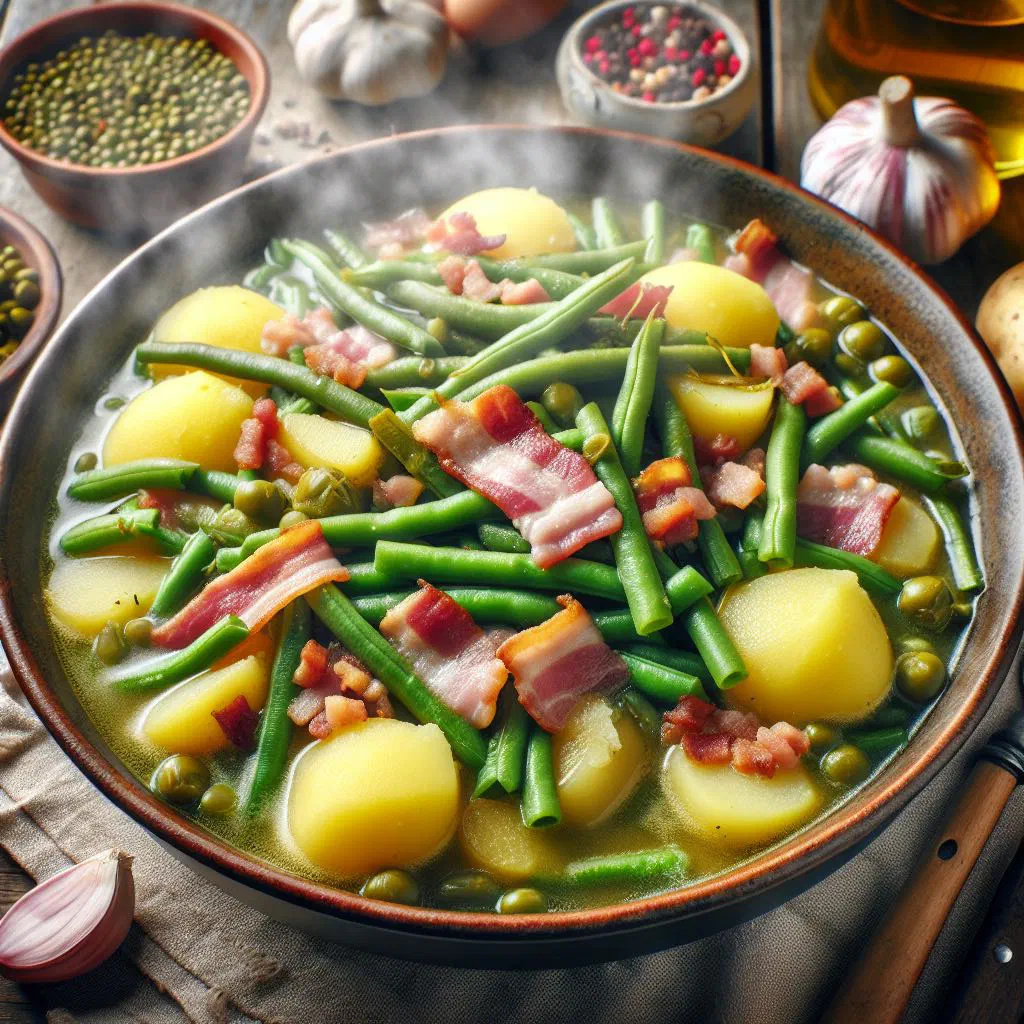
Meet Bouneschlupp, the hearty green bean soup that Luxembourg has taken to its heart. Green beans, potatoes and leek simmer together in a savoury broth, often with a little smoked bacon for depth, until the whole pot smells of proper home cooking. It is the kind of bowl you reach for when the weather turns and you want something warming, honest and filling. Simple ingredients, generous flavour. That is the whole idea.
About Bouneschlupp
Bouneschlupp is a traditional, deeply savoury soup from Luxembourg. This green bean soup is a much-loved everyday dish that comes into its own during the colder months. Rich in flavour and in nourishment, Bouneschlupp offers a wonderful way to warm yourself through and taste the authentic character of Luxembourg cooking. It is unpretentious food, built on garden vegetables and a good broth, and it has never needed anything fancier than that.
Ingredients (serves 1–2)
- 200g green beans, fresh or frozen
- 1 medium potato
- 1 onion
- 1 carrot
- 1 leek
- 2 cloves of garlic
- 500ml vegetable or chicken stock
- 100ml cream or a plant-based alternative
- 30g bacon (optional)
- Salt and pepper, to taste
- Fresh parsley, to garnish
Shopping for the ingredients
Most of the ingredients for Bouneschlupp are easy to find in any supermarket or at a weekly market. Pay particular attention to the freshness of the green beans and the rest of the vegetables, since they carry the whole soup. Choosing organic and regional produce where you can will give you the best flavour, much as it does for a good Gromperesupp.
Preparing the dish
Start by peeling and chopping the potato, carrot, onion and garlic. Wash the leek thoroughly and slice it into rings, taking care to rinse out any grit trapped between the layers. The green beans should also be washed and drained well. If you are using bacon, cut it into small dice so it renders evenly in the pan.
Step-by-step instructions
- Heat a little oil in a large pan and fry the onion and garlic until softened.
- Add the bacon and fry until golden brown (optional).
- Add the potato, carrot, leek and beans to the pan and sauté briefly.
- Pour in the stock and bring the soup to the boil.
- Reduce the heat and let the soup simmer for about 20 minutes, until the vegetables are tender.
- Stir in the cream or plant-based alternative and season with salt and pepper.
- Serve the soup hot, garnished with fresh parsley.
Gluten-free / lactose-free version
Bouneschlupp is naturally gluten-free as long as you check that your stock contains no wheat-based thickeners, many shop-bought cubes do. For a lactose-free bowl, simply swap the cream for oat or soya cream, which thickens the soup just as well without dulling the flavour of the vegetables. Serve it with gluten-free bread instead of a crusty farmhouse loaf and everyone at the table can tuck in.
Tips for vegans and vegetarians
To make Bouneschlupp vegan or vegetarian, simply leave out the bacon and use vegetable stock along with a plant-based cream such as soya or oat. A spoonful of smoked paprika or a few drops of liquid smoke will give you back the smoky note the bacon would have provided. The soup loses nothing in body, the potato does most of that work anyway.
More tips and tricks
For an even deeper aroma, roast some of the vegetables in the pan before you add the stock so they take on a little colour. Depending on your taste you can also add a grating of nutmeg or a couple of bay leaves during the simmer. Fish the bay out before serving, and always season at the very end, once the stock has reduced and concentrated.
Adapting the recipe to your taste
If you like your soup a little creamier, blend part of it and stir the purée back into the pan. You keep the texture of the whole vegetables but gain a silkier base. If you prefer some heat, add chilli flakes or fresh chillies. A few slices of smoked sausage turned in towards the end will take the bowl closer to a Sauerkraut mat Wurscht kind of meal.
Ingredient substitutions
If green beans are not your thing, peas or broccoli will stand in perfectly well. Sweet potatoes can replace the ordinary potato, adding a gentle sweetness that plays nicely against the savoury broth. Smoked ham makes a fine alternative to bacon, in the spirit of Ardenner Schinken, and a handful of dried beans, soaked overnight, will make the soup even more substantial.
Drink pairing ideas
A light white wine such as a Riesling, a Moselle bottle in particular, goes beautifully with Bouneschlupp. For a non-alcoholic option, cloudy apple juice topped up with sparkling water, or a mild herbal tea, both work well. A crisp local lager is another dependable match, cutting through the richness of the cream without competing with the vegetables.
Serving and presentation ideas
Serve Bouneschlupp in rustic soup bowls and garnish generously with fresh parsley. A crusty farmhouse loaf on the side rounds the meal off, and a few Gromperekichelcher alongside make it a proper feast. A couple of drops of truffle oil can add a refined note if you are serving the soup to guests.
A bit of history
Bouneschlupp is deeply rooted in Luxembourg cuisine and was long regarded as everyday food for working households. The soup was originally made from whatever simple ingredients were readily to hand, beans from the garden, potatoes from the cellar, a scrap of bacon for flavour. Today Bouneschlupp is a cherished dish, prepared in countless homes and served with pride in restaurants across the Grand Duchy.
More recipe ideas
Summary: Bouneschlupp
Bouneschlupp is a delicious and nourishing soup from Luxembourg that is straightforward to make and full of flavour. With a few small adjustments the recipe adapts easily to different dietary needs and personal preferences, whether you want it vegan, creamier or hotter. Give this traditional recipe a go and enjoy a little piece of Luxembourg in your own kitchen.