National Dish Luxembourg: Judd (Recipe)
In this article
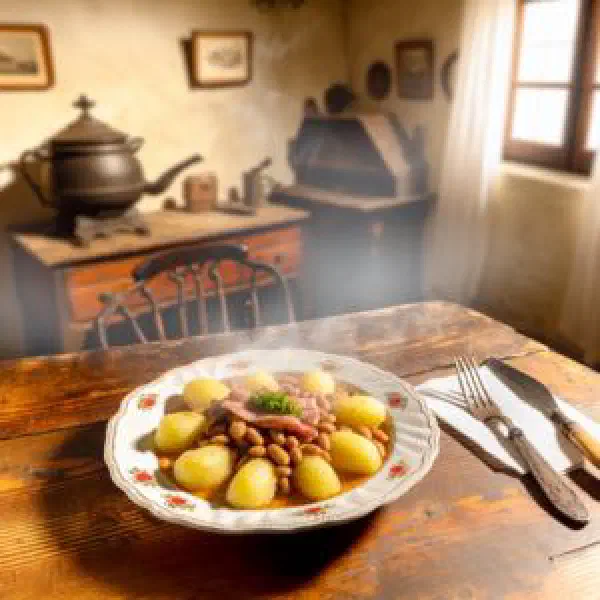
Judd mat Gaardebounen is smoked pork collar with broad beans, and it is the dish Luxembourg names when asked. The pork is cured, soaked to draw out the salt, then simmered until it falls apart. The beans come in a cream sauce with savory.
About Judd
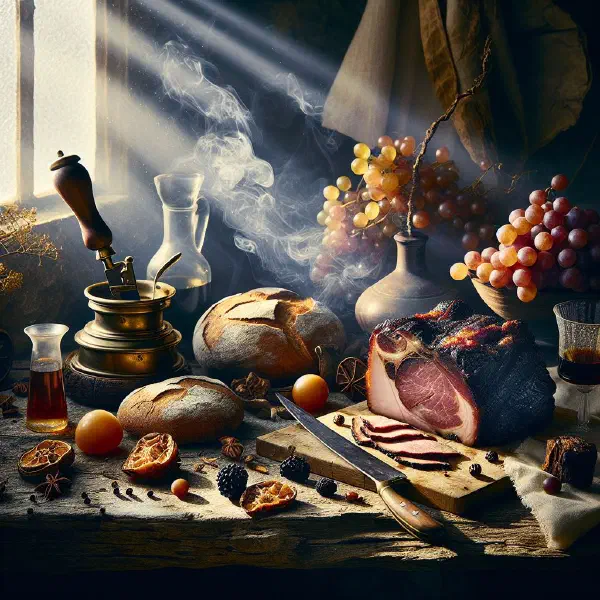
Judd is smoked pork neck or collar, sold cured in Luxembourgish butchers. It has to be soaked, usually overnight, or the finished dish is inedibly salty. Then it simmers with vegetables for a couple of hours.
The traditional partner is Gaardebounen, broad beans, cooked with bacon and savory in a light cream sauce. Boiled potatoes complete it.
Ingredients (serves 1–2)
- 500 g cured pork (collar or shoulder)
- 3 medium potatoes
- 2 carrots
- 1 leek
- 1 onion
- 500 ml vegetable or meat stock
- 2 tablespoons mustard
- 1 tablespoon oil
- Salt and pepper to taste
Shopping for the ingredients
Smoked pork collar, Kassler or Nacken, is sold in German and Luxembourgish butchers. Ask how salty it is and soak accordingly, twelve hours as a default. Summer savory, Bounekraut, is the herb for the beans and is genuinely worth finding; thyme is not the same.
Preparing the dish
Soak the pork overnight in cold water, changing it once or twice. Taste a small piece of the cooking water after twenty minutes of simmering; if it is very salty, pour it off and start again with fresh.
Step-by-step instructions
- Bring the soaked pork to the boil in a large pot with the stock.
- Add the vegetables and let everything simmer for 1.5 to 2 hours, until the meat is tender.
- Lift out the meat and cut it into slices.
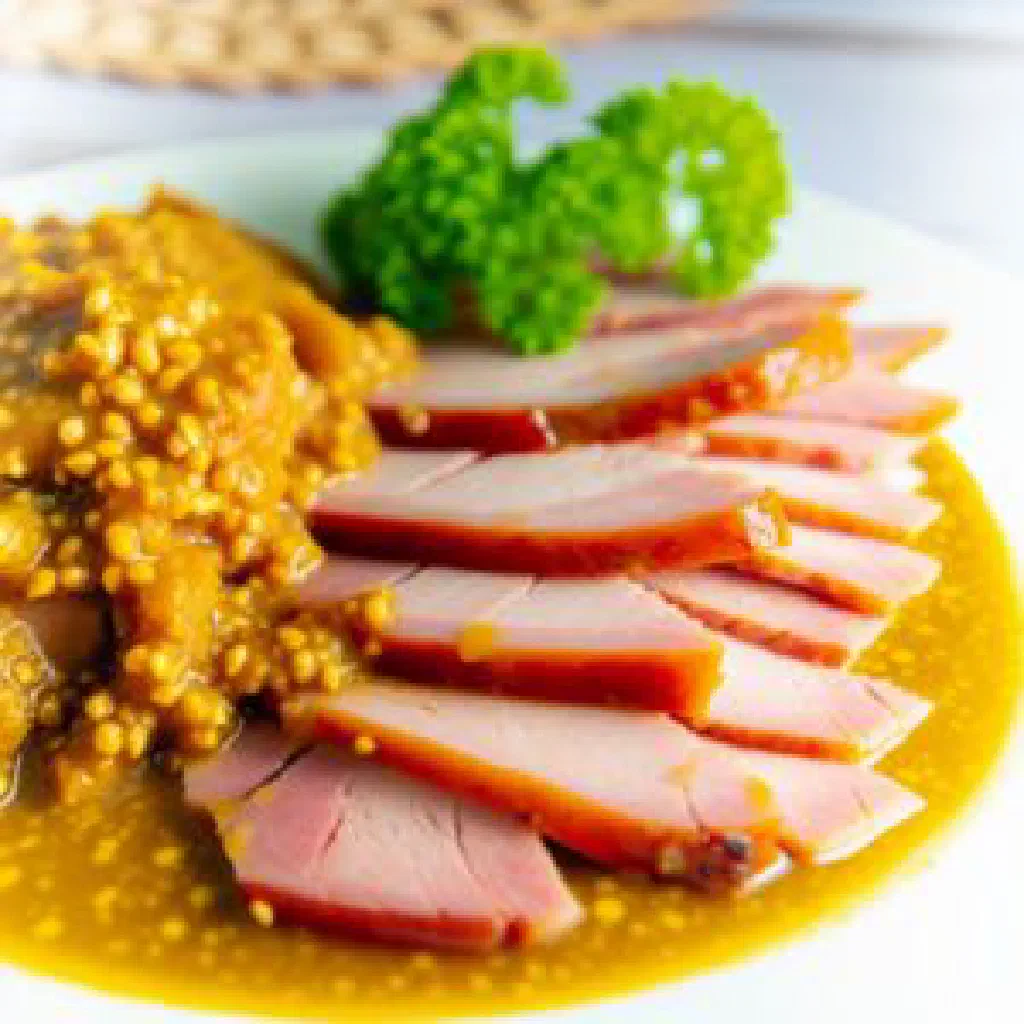
- For the mustard sauce, strain the cooking liquid and whisk it with the mustard, oil, salt and pepper.
- Arrange the meat with the vegetables and pour over the mustard sauce.
Gluten-free / lactose-free version
The pork and vegetables contain no gluten; check the mustard, which occasionally does. The dish as written has no dairy, though the traditional broad bean accompaniment uses cream.
Tips for vegans and vegetarians
Judd is cured pork and there is no version without it. Bouneschlupp, the green bean soup, and Gromperekichelcher, the potato fritters, are the Luxembourgish dishes that work meat-free, and both are good.
More tips and tricks
Soak the meat properly and taste the water as it cooks. Do not add salt at any point until you have tasted the finished sauce. And keep the simmer gentle: boiling toughens cured pork rather than softening it.
Adapting the recipe to your taste
Broad beans in a cream and savory sauce are the classic partner and make it Judd mat Gaardebounen. A splash of Riesling in the pot is common. Some households finish the sauce with cream.
Ingredient substitutions
Smoked ham hock works. Kassler is the closest German equivalent. Wholegrain mustard gives more texture than smooth.
Drink pairing ideas
A Moselle Riesling or Auxerrois from Luxembourg’s own vineyards along the river. A local beer such as Bofferding. Apple juice is the plain option.
Serving and presentation ideas
Sliced pork with boiled potatoes and the broad beans in their sauce, with the mustard sauce poured over the meat. It is plain, hearty food and arranges itself. Bread on the table.
A bit of history
Luxembourg’s cooking sits between German and French traditions and generally chooses the German side for main courses and the French for technique. Pork curing and smoking are old rural practices here. Judd anchors Luxembourgish cuisine alongside Bouneschlupp.
More recipe ideas
- Ardennes Ham
- Bouneschlupp mat Gromperen
- Feierstengszalot
- Gromperekichelcher
- Kniddelen
- Smoked Pork Collar with Broad Beans
Summary: Judd
Judd is smoked cured pork collar soaked, then simmered with vegetables and served with mustard sauce and broad beans. Soak it overnight, taste the water as it cooks, and salt nothing until the end.