National Dish Luxembourg: Räifla (Recipe)
In this article
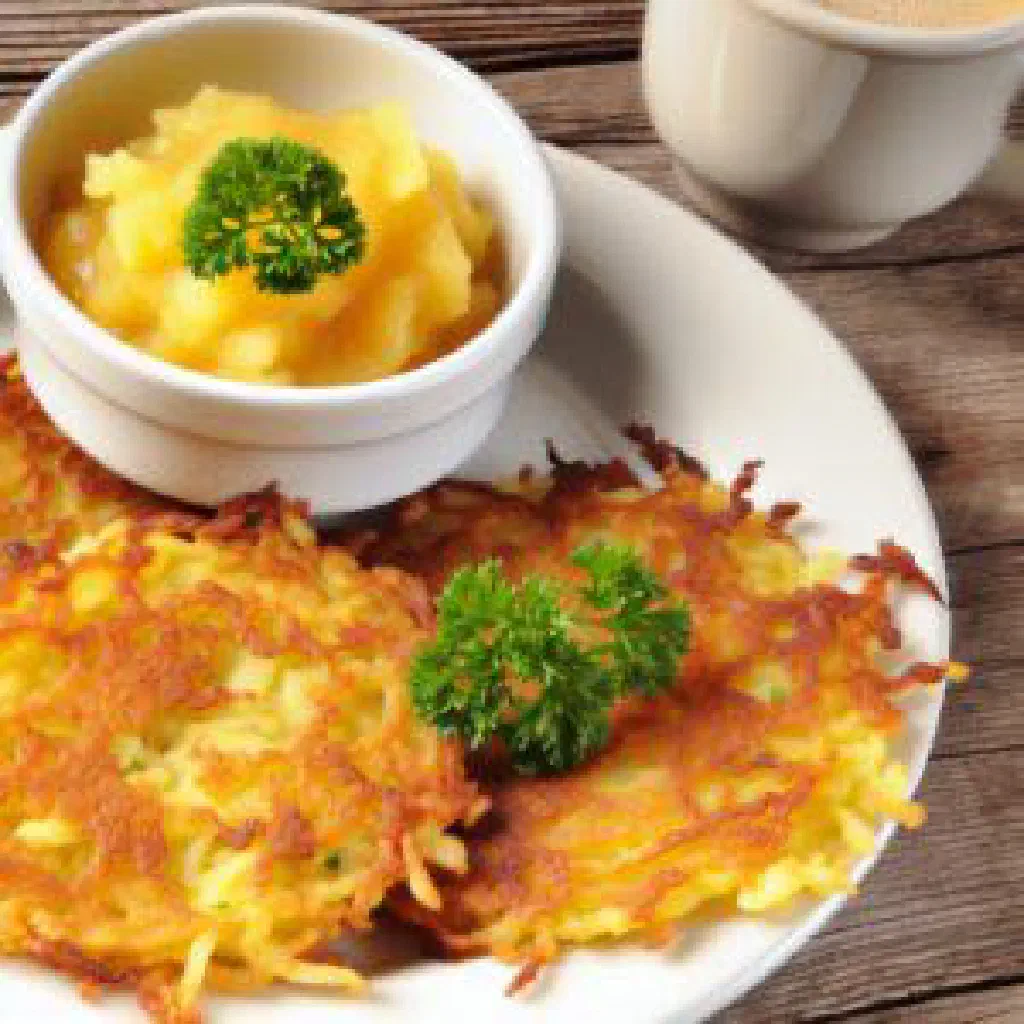
Meet Räifla, one of Luxembourg’s quietest treasures, lightly sweetened potato fritters fried in butter until the edges turn crisp and golden. Born in the country’s farming villages, where the potato was king and nothing went to waste, they need barely a handful of storecupboard ingredients yet taste like something far more indulgent. Serve them as a side, a supper or an afternoon treat, and a little corner of the Grand Duchy lands on your table.
About Räifla
Räifla are a traditional dish of Luxembourgish cooking, admired for their simplicity and their sheer versatility. These delicious, gently sweetened potato cakes have their roots in rural regions, where potatoes were a mainstay of the everyday diet. Räifla can be served either as a side dish or as a main course, and they sit happily alongside all sorts of meat and vegetable dishes. The pairing of soft potato with a pinch of sweetness makes for a genuinely distinctive flavour, perfect for a sociable evening or a relaxed family meal.
Ingredients (serves 1–2)
- 500 g floury potatoes
- 50 g sugar
- 1 egg
- 1 pinch of salt
- 50 g plain flour
- Butter, for frying
Shopping for the ingredients
For Räifla you want fresh, floury potatoes, as these develop a pleasingly soft texture during cooking. Check that they are free of dark patches or sprouting eyes. The sugar gives Räifla their characteristic sweetness, while the egg and the flour bind everything together. All of these are stocked by any decently sorted supermarket, so you should have no trouble gathering what you need.
Preparing the dish
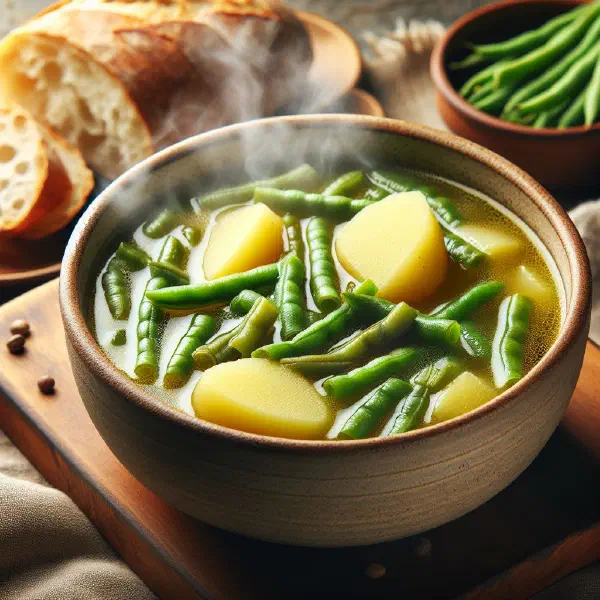
Before you start on the Räifla, it pays to have everything to hand. Peel the potatoes and cut them into small pieces to shorten the cooking time. Then boil them in a large pan of salted water until tender, which usually takes around 15–20 minutes depending on the size of the pieces. Keep checking as they cook so they do not boil over or turn to mush, the same care that goes into a proper Gromperesupp.
Step-by-step instructions
- Boil the peeled, diced potatoes in salted water until soft.
- Drain the cooked potatoes and let them steam dry thoroughly.
- Mash the potatoes in a bowl and leave them to cool.
- Add the sugar, egg, salt and flour to the potatoes and mix everything well.
- Heat a little butter in a frying pan and shape the potato mixture into small, flat fritters.
- Fry the fritters until golden brown on both sides, then drain on kitchen paper.
Gluten-free / lactose-free version
To make Räifla gluten-free, simply use a gluten-free flour blend in place of plain wheat flour. If you are working with birch sugar or another sugar alternative, do check that every ingredient is labelled accordingly. For a lactose-free version, reach for lactose-free butter or a plant-based alternative, so the dish fits your requirements completely without losing its character.
Tips for vegans and vegetarians
For a vegan take on Räifla, swap the egg for a plant-based alternative. Apple purée, or chia seeds soaked in water, both work beautifully as binders. The base of the recipe stays exactly the same, so you still get all the comforting flavour of the traditional version. It is a genuinely flexible recipe that bends to suit any way of eating.
More tips and tricks
A useful trick is to boil the potatoes the day before and keep them in the fridge overnight. They firm up considerably, which makes the fritters far easier to fry without falling apart. You can also liven Räifla up with different herbs and spices to build extra layers of flavour, a scattering of parsley or thyme, for example, lends them a fresh, green note.
Adapting the recipe to your taste
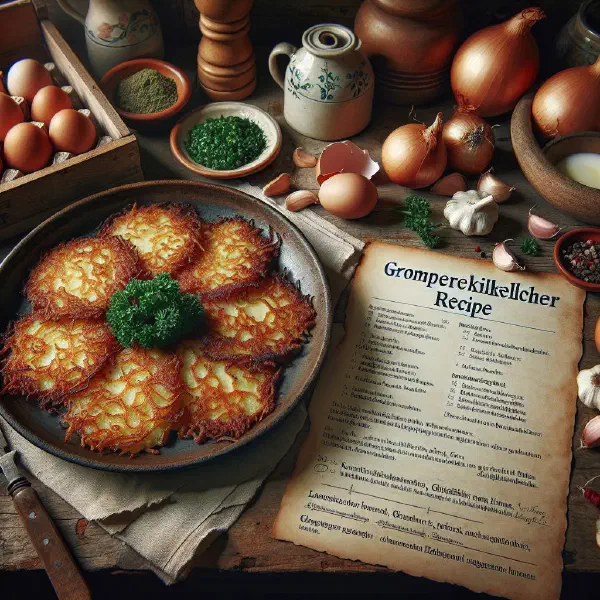
The traditional method for Räifla adapts readily to personal preference. Stir grated cheese or chopped ham into the potato mixture for a heartier, savoury version, in the spirit of the classic Gromperekichelcher. You can equally dial the sweetness up or down by adjusting the sugar to your own taste. Experiment with different combinations and you will soon land on your favourite version.
Ingredient substitutions
If certain ingredients are not in the cupboard, they are easy enough to replace. Instead of sugar you might use honey or agave syrup for a slightly different flavour profile. Should you run out of flour, cornflour or chickpea flour both make workable stand-ins. Adjustments like these keep the recipe flexible while still delivering delicious results.
Drink pairing ideas
Plenty of drinks suit Räifla, depending on how rich or how light you want the meal to feel. A chilled glass of white wine, a Moselle Riesling, ideally, draws out the earthy sweetness of the potato wonderfully. Alternatively, a homemade apple juice or a fruity smoothie balances the sweetness nicely. For children, a sparkling raspberry spritzer makes an ideal, gently sweet addition to the table.
Serving and presentation ideas
Presentation matters as much here as anywhere else in the kitchen. Serve the Räifla on a brightly coloured plate and garnish them with fresh herbs such as parsley or basil. A spoonful of soured cream or a fruity sauce adds both flavour and colour, stewed fruit in the style of Aeppelklatzen is a lovely match. Remember that we eat with our eyes first, so arrange the plate to look as appetising as it tastes.
A bit of history
Räifla carry a long tradition that reaches back to the 19th century. The dish grew out of rural household cooking, where simple ingredients were used inventively to produce tasty, nourishing meals. Their enduring popularity shows just how central the potato has always been to Luxembourgish cuisine, and it is remarkable how faithfully the recipe has been passed down through the generations. Modernised versions thrive too, as more and more cooks rediscover just how much the humble potato can do.
More recipe ideas
Summary: Räifla
Räifla are a popular and thoroughly satisfying dish from Luxembourgish cooking, one that shows off the versatility of the potato to marvellous effect. With just a few easily sourced ingredients, these golden fritters come together quickly and can be tailored however you like. They are well worth trying for yourself. Let their traditional roots and modern flexibility inspire you, and bring a piece of Luxembourg to your table.