National Dish Luxembourg: Tierenteyn Mustard (Recipe)
In this article
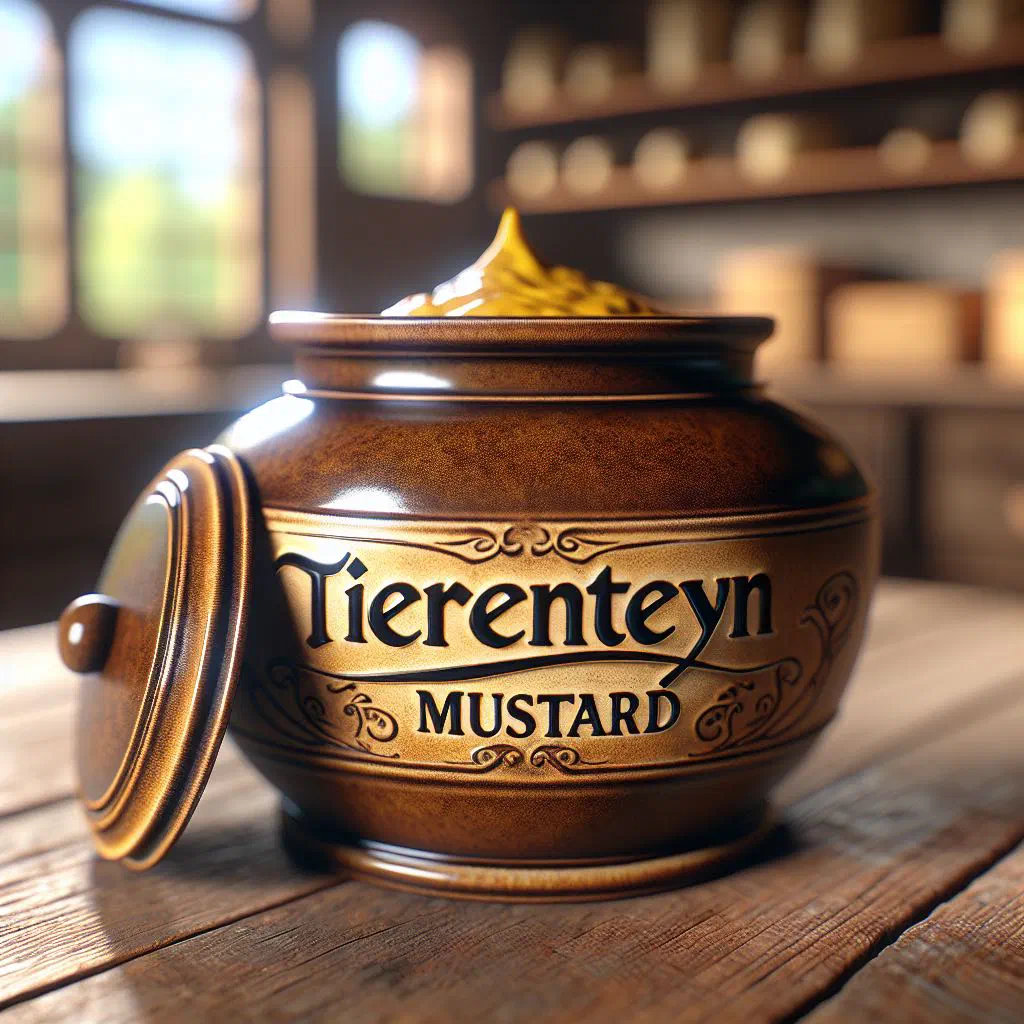
Meet Tierenteyn Mustard, the fiery little jar that has earned itself a place at almost every Luxembourgish table. Coarse-grained, aromatic and built on a closely guarded blend of spices, it is far more than a condiment. It is a flavour engine that lifts sausages, cheese boards, dressings and sauces alike. Whisk it into a quick dip or a glossy marinade and you will see why this mustard has travelled well beyond the Grand Duchy’s borders.
About Tierenteyn Mustard
Tierenteyn Mustard is a sensation on the palate and a symbol of Luxembourgish cooking. Made from robust, coarsely ground mustard flour and a secret spice blend, it offers a singular flavour that elevates whatever it touches. That particular recipe makes it an ideal companion to a wide range of foods, from sausage and cheese through to sauces. Discover how this mustard can add a whole new dimension to your cooking.
Ingredients (serves 1–2)
- 2 tbsp Tierenteyn mustard
- 1 tbsp honey or agave syrup
- 2 tbsp cider vinegar
- 4 tbsp olive oil
- A pinch of salt and pepper, to taste
Shopping for the ingredients
Before you start, it is worth buying all the necessary ingredients in advance. Tierenteyn mustard is stocked by many delicatessens and by some of the larger supermarkets. Choose good-quality ingredients wherever you can, particularly the olive oil and the cider vinegar, as both have a considerable influence on the final flavour. For the sweet element, either honey or agave syrup works beautifully. Each balances the sharpness of the mustard perfectly.
Preparing the dish
Preparation is the decisive step in creating a flavourful mustard dip or marinade. Start by measuring out all the ingredients and setting them within easy reach so the process runs smoothly. If you want a more intense flavour, leave the mustard to rest for a while in a sealed jar in the fridge. This gives the aromas time to open up fully and develop an even richer taste.
Step-by-step instructions
- Spoon the Tierenteyn mustard into a bowl.
- Add the honey or agave syrup and stir until well combined.
- Slowly stir in the cider vinegar until you reach the consistency you want.
- Pour in the olive oil in a thin stream, whisking continuously.
- Season with salt and pepper and give everything a final good mix.
Gluten-free / lactose-free version
Cooking with Tierenteyn mustard is straightforward and adapts easily to particular dietary needs. The mustard itself is usually gluten-free and lactose-free, so you can use it without a second thought. All you need to do is choose the remaining ingredients with care, reach for certified gluten-free oils or lactose-free alternatives where required, and you can guarantee a delicious result for every guest at the table.
Tips for vegans and vegetarians
For vegans, honey may not be the ideal choice, since it is an animal product. Plant-based sweeteners such as agave syrup or maple syrup are the obvious answer and deliver exactly the same sweetness. The recipe remains perfect for vegetarians too, as all the main ingredients are plant-based. That way both diets can enjoy the unmistakable flavour of Tierenteyn mustard, whether alongside Gromperekichelcher or a simple green salad.
More tips and tricks
To push the flavour further still, adapt the mustard with extra spices or herbs. A little fresh chives or thyme lends it a distinctive aroma. It is also sensible to store the mustard in an airtight container in the fridge. Kept that way it stays fresh, and you can use it over several weeks without any loss of quality.
Adapting the recipe to your taste
Every palate is different, and mustard is no exception. If you like things hotter, simply add more mustard or stir in a spoonful of a sharper variety. For a sweeter note, increase the honey or agave syrup and keep experimenting until you land on the combination that suits you. Give your creativity free rein and tune the recipe to your personal preferences. It works just as happily beside a plate of Grillwurscht mat Moschterzooss.
Ingredient substitutions
If you do not have some of the listed ingredients to hand, alternatives step in without any fuss. Balsamic vinegar or even a squeeze of lemon juice can take the place of cider vinegar. For a deeper sweetness, try coconut blossom sugar or a honey substitute, both of which give good results. Do not hesitate to try different combinations and uncover new flavours along the way.
Drink pairing ideas
A good mustard deserves an equally good drink to round off the experience. With sausage dishes, a hearty red wine is an excellent match, while a crisp white wine suits a cheese board. Alternatively, a cool beer balances the heat of the mustard very pleasantly. As always, choose the drink to fit the food so that the whole meal sits in harmony.
Serving and presentation ideas
Presentation plays a real part in how a dish is received. For Tierenteyn mustard, decorative bowls or small glass pots work well, putting the mustard centre stage. A garnish of fresh herbs improves both the look and the flavour. Experiment with how you arrange the food, a board with cured meats such as Ardenner Schinken creates a welcoming, generous spread.
A bit of history
Tierenteyn mustard has a long tradition and is deeply rooted in Luxembourgish culture. The original recipe has been passed down through generations and has grown into an unmistakable part of the local food scene. Over the years the mustard has become well known not only in Luxembourg but internationally too. Its popularity rests not just on the taste but on the cultural weight it carries, much like the classics of Luxembourgish cuisine served in every village inn.
More recipe ideas
Summary: Tierenteyn Mustard
Tierenteyn mustard is a singular product of Luxembourgish cooking, one that enriches and refines a great many dishes. With its characteristic heat and the ease with which it can be adjusted, it is a must not only for food lovers but for every home cook. As a dip, a dressing or a marinade, its versatility is genuinely impressive. Step into Luxembourg’s culinary culture and let this exquisite mustard win you over.