National Dish Madagascar: Kitoza (Recipe)
In this article
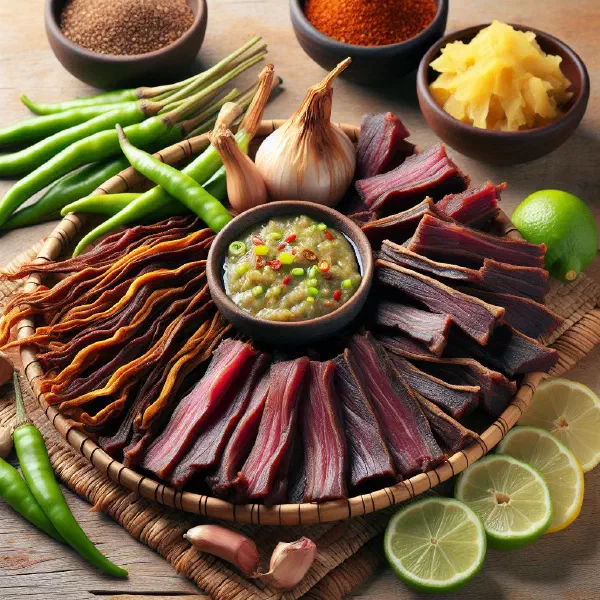
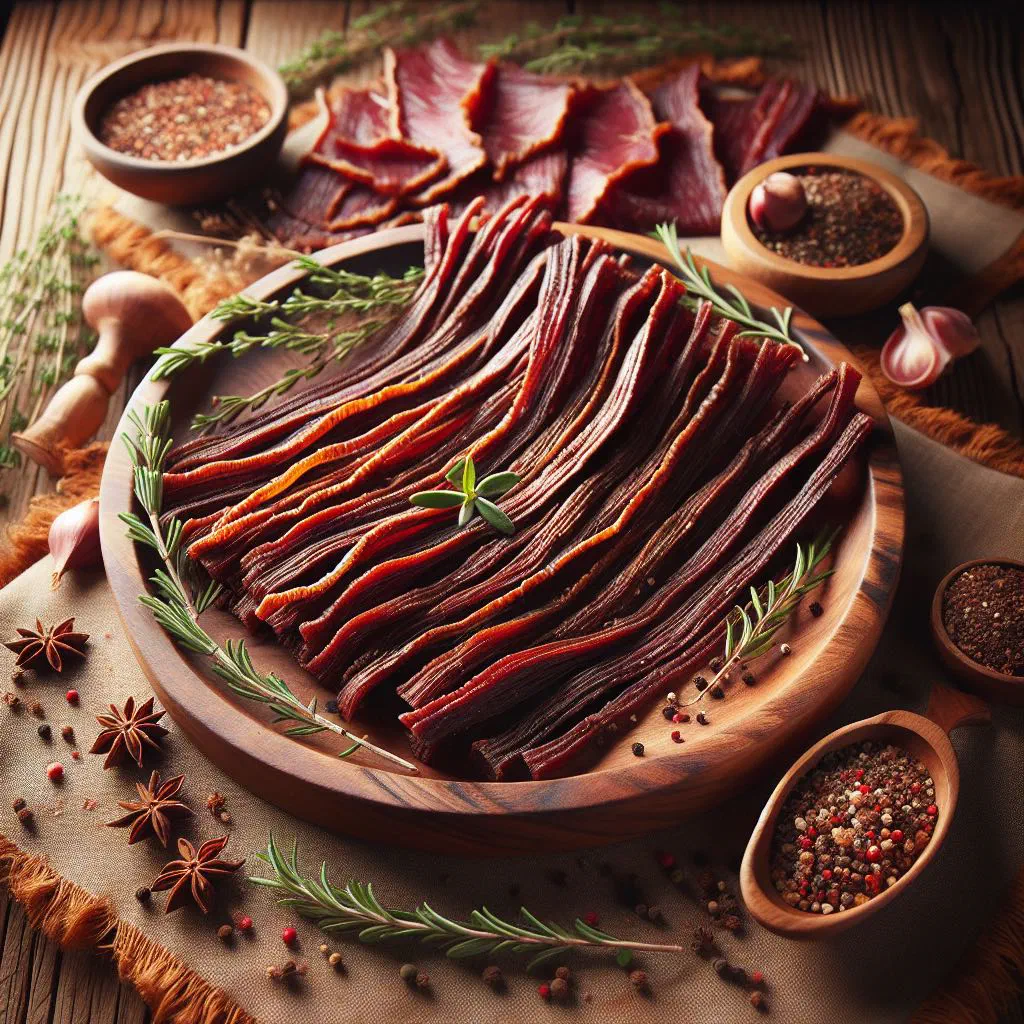
Discover Kitoza, one of Madagascar’s most cherished dishes. Strips of marinated beef are grilled or pan-fried until crisp at the edges yet tender within, then lifted with regional spices and served alongside rice or fried vegetables. It is a true celebration of flavour that has long pleased locals and now draws food-loving visitors keen to taste the island’s rich culinary heritage. Bring a little of Madagascar to your own kitchen with this hearty, aromatic classic.
About Kitoza
Kitoza is a traditional national dish of Madagascar, renowned for its rich flavours and varied textures. At its heart is marinated beef, usually cooked over the grill or in a hot pan. The marinade often carries regional spices that give the dish its distinctive character. Kitoza is a firm favourite among locals and with international visitors eager to explore the culinary diversity of the island, much like the celebrated beef stew Romazava.
Ingredients (serves 1–2)
- 500 g beef (e.g. rump or roasting beef)
- 2–3 cloves of garlic
- 1 onion
- 1–2 tablespoons soy sauce
- 1 tablespoon lime juice
- 2 teaspoons paprika
- Salt and pepper to taste
- Oil for frying
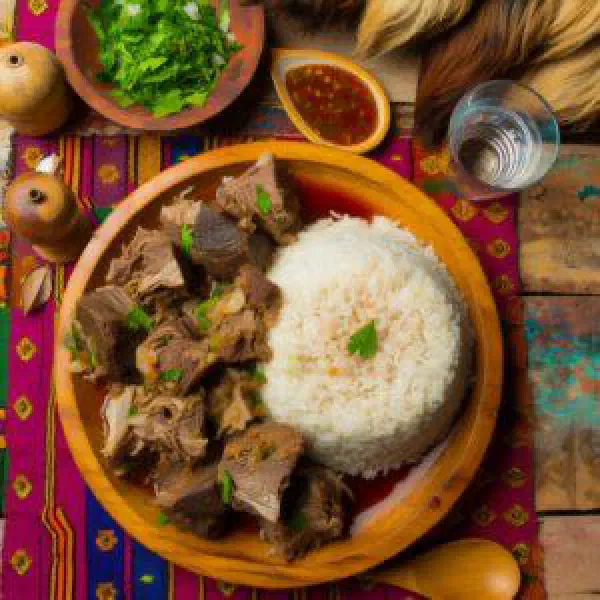
- Sides of your choice (e.g. rice or fried vegetables)
Shopping for the ingredients
When preparing kitoza, it is important to choose the freshest ingredients. Visit your local butcher to buy good-quality beef, the same care that goes into a plate of Zebu Skewers. Be sure to pick up fresh vegetables too, as these have a real influence on the depth of flavour. Special seasonings such as paprika and lime juice are also essential for capturing the authentic character of kitoza.
Preparing the dish
Good preparation is a key step in bringing out the flavours of kitoza at their best. First, cut the beef into strips or small pieces before leaving it to rest in the marinade. The marinade, a combination of soy sauce, lime juice, garlic and spices, lends flavour and helps to tenderise the meat. Leave the beef to marinate for at least one hour, or longer, to develop those intense aromas.
Step-by-step instructions
- Lift the marinated beef from the marinade and let it drain well.
- Heat the oil in a pan or on the grill.
- Sear the beef in the hot pan or lay it on the grill.
- Cook the meat for no more than 10 minutes, until crisp on the outside and tender within.
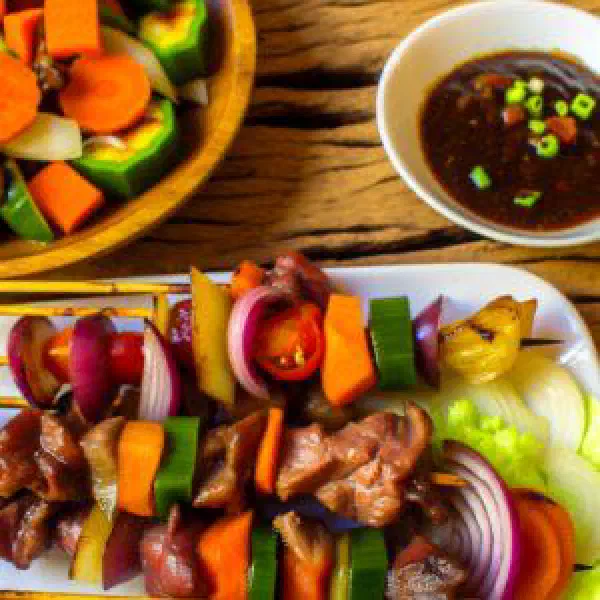
- Serve the dish with rice or fried vegetables and enjoy.
Gluten-free / lactose-free version
For a gluten-free kitoza, use soy sauce that is certified gluten-free, or replace it with coconut aminos. The dish contains no dairy, so it is naturally lactose-free as well. Take care to adapt your sides accordingly, avoiding gluten-containing products such as certain sauces or bread rolls. Simply make sure every ingredient is fresh and suitable, and everyone can tuck in without worry.
Tips for vegans and vegetarians
Vegans and vegetarians can adapt kitoza easily by replacing the beef with tofu, seitan or tempeh. These alternatives take up marinades beautifully and offer a texture similar to the original dish. To intensify the flavour, it helps to marinate the plant-based options for longer. Here too, the regional spices and sides are essential for creating a tasty and satisfying meal.
More tips and tricks
A few simple pointers can improve your kitoza no end. Avoid cooking the meat for too long, so it does not dry out. Serve the dish fresh, as this is when the flavours of the prepared ingredients truly shine. Consider varying the sides, a crisp salad or steamed vegetables, for instance, to round things out. Experiment with different spices too, for a personal touch.
Adapting the recipe to your taste
Kitoza can be adjusted in all sorts of ways to suit different tastes and preferences. The marinade can be made bolder or milder as you like, adding extra spices such as chilli for more heat or leaving out the garlic. The sides can vary as well; try quinoa or couscous in place of rice for a different experience. That way you can create a fresh and exciting dish every time.
Ingredient substitutions
Should you not have some of the ingredients to hand, there are practical alternatives. If you would rather not use beef, chicken or pork works well too. For the marinade, Worcestershire sauce can stand in for soy sauce to achieve a similar aroma. It is also possible to add fresh herbs such as coriander or parsley to refine the dish, a fine partner to shredded beef classics like Varenga.
Drink pairing ideas
Kitoza pairs wonderfully with a range of drinks. A cold Malagasy beer complements the flavours of the dish superbly. For an alcohol-free option, fruity lemonades or sparkling drinks round out the taste nicely. A light wine, such as a rosé, also works well with the combination of meat and spices, making for a pleasant accompaniment.
Serving and presentation ideas
An appealing presentation can lift the whole kitoza experience. Serve the dish on a large wooden board or in stylish tableware. Garnish the kitoza with fresh herbs and add a few colourful vegetable sides to please the eye. A sauce in a separate little bowl, or a fresh salsa, can be offered alongside for extra flavour.
A bit of history
Kitoza has its roots in Malagasy cooking tradition and has been prepared in many households for centuries. The dish reflects the culture and the influences that have shaped Madagascar cuisine, including African, Asian and European elements. The method and the ingredients used can vary from region to region, leading to a wide range of interpretations. Even today, kitoza remains a popular dish at celebrations and special occasions, much like the skewered speciality Masikita.
More recipe ideas
Summary: Kitoza
Kitoza is an exceptional dish that embodies the culinary diversity of Madagascar. The combination of tender, marinated beef and regional spices makes it an incomparable taste experience. Whether gluten-free or adapted for vegans, the possibilities are wide-ranging and easy to tailor. Let the history and the aromas of this traditional dish inspire you, and enjoy the freedom to make it your very own.