National Dish Madagascar: Koba Ravina (Recipe)
In this article
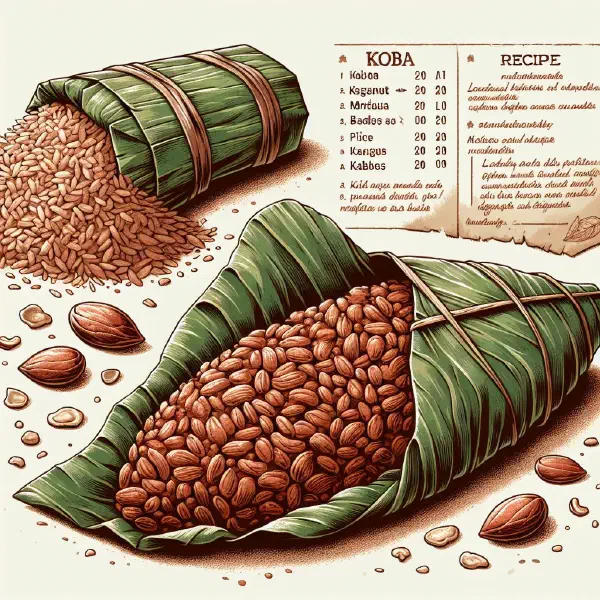
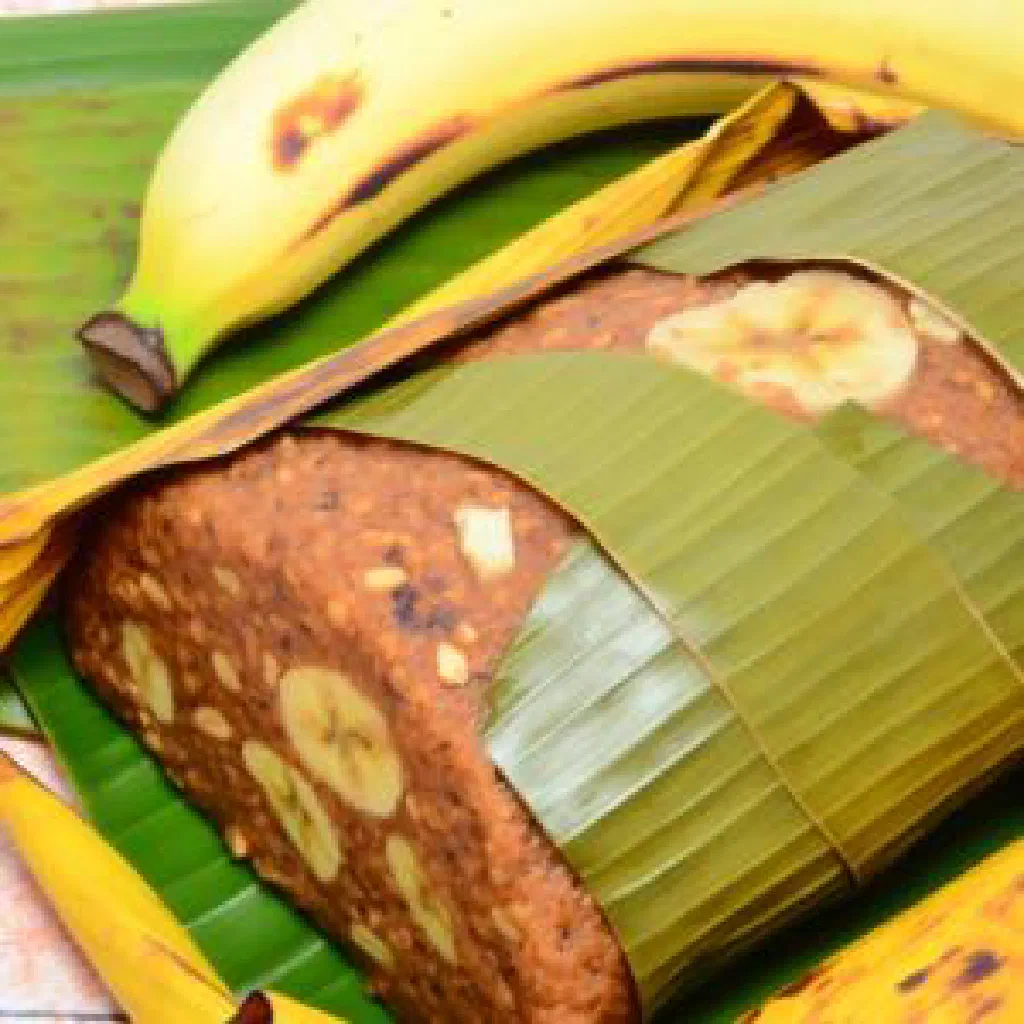
Say hello to Koba Ravina, a sweet little parcel that captures the warmth of Malagasy home cooking. Sweet rice, roasted peanuts and dark brown sugar are folded together, wrapped snugly in banana leaves and gently steamed until fragrant. The result is soft, nutty and comforting, as much a piece of island culture as it is a treat. One bite and you will understand why this humble snack has been passed down through so many generations.
About Koba Ravina
Koba Ravina is a wonderful example of typical Malagasy cooking. It brings together a combination of sweet rice, peanuts and brown sugar that melt into one harmonious mouthful. The dish is traditionally wrapped in banana leaves and steamed, which gives it a distinctive texture and a deliciously fragrant aroma. Koba Ravina is more than just a snack. It is a small piece of Malagasy culture that is well worth trying at least once.
Ingredients (serves 1–2)
- 200g sweet rice
- 100g shelled peanuts
- 100g brown sugar
- 300ml water
- 4–5 large banana leaves
Shopping for the ingredients
To make Koba Ravina you will want fresh, good-quality ingredients. A local market is the best place to track down the finest produce. Look out for organic peanuts and unrefined brown sugar to keep both the full flavour and the wholesome qualities of the dish. Specialist Asian or African grocery shops are also a reliable source for the banana leaves and other ingredients you need.
Preparing the dish
The preparation for Koba Ravina involves a few simple steps that are actually rather enjoyable. First, rinse the sweet rice thoroughly and leave it to soak in water for about an hour. While the rice soaks, lightly roast the peanuts to intensify their flavour. Don’t forget to prepare the banana leaves too, warming them gently over steam so they turn supple and are easier to fold and wrap.
Step-by-step instructions
- Combine the soaked rice with the roasted peanuts and the brown sugar in a bowl.
- Pour in the water and stir well until you have a smooth, even mixture.
- Spoon the mixture evenly onto the prepared banana leaves and wrap each one up carefully.
- Place the wrapped parcels in a steamer and steam for around 45–60 minutes.
- Once steamed, open the leaves and serve the Koba Ravina warm.
Gluten-free / lactose-free version
Koba Ravina is naturally gluten-free and lactose-free, which makes it a great choice for anyone with those particular allergies. Since the dish is built on rice and contains no dairy, people with intolerances can enjoy it without worry. Just take care that the peanuts, sugar and other ingredients you use carry no hidden gluten or lactose.
Tips for vegans and vegetarians
The recipe for Koba Ravina is ideal for vegans and vegetarians, as it contains no animal products at all. To make the dish a little more varied, you could add different nuts or some dried fruit. Do check that the sugar you use is vegan, as certain types are processed using bone char. By experimenting with different ingredients you can bring your own personal touch to this delicious snack.
More tips and tricks
There are a few handy tips that will help you make Koba Ravina taste even better. Play with the amount of sugar to tune the sweetness exactly to your liking. Roasting the peanuts before use also deepens their nutty flavour. Be sure to steam the parcels in a well-sealed steamer so the dish stays moist and never dries out.
Adapting the recipe to your taste
You can adapt Koba Ravina to your own preferences with ease. Instead of peanuts, for instance, you might use other nuts such as cashews or almonds. Above all, vary the fillings, a scattering of chocolate pieces or desiccated coconut works beautifully, much as it does in the coconut-rich Bonbon Coco.
Ingredient substitutions
If you don’t have any banana leaves to hand, you can use aluminium foil to wrap the mixture instead. To cut down on the sugar, try honey or agave syrup in its place. These options lend the dish a slightly different kind of sweetness and can make it a touch healthier.
Drink pairing ideas
A range of drinks pairs nicely with Koba Ravina. A fruity iced tea or a homemade lemonade rounds off the sweetness of the dish perfectly. A mild herbal tea or a glass of freshly pressed juice also make wonderful companions. The right drink can bring the whole experience together and turn a simple snack into something memorable.
Serving and presentation ideas
To serve Koba Ravina attractively, you can leave the banana leaves just as they are to keep that lovely rustic look. Alternatively, arrange the dish on a pretty plate and decorate it with fresh fruit or a few extra nuts. A sprig of mint as a garnish adds a fresh note too. The presentation should highlight both the aromas and the cultural significance of this Malagasy speciality.
A bit of history
Koba Ravina has deep cultural roots in Madagascar and is closely bound up with the story of the island’s people. It was originally a dish often served at celebrations and festivals to bring the community together. Handed down through generations of Malagasy families, it has become far more than mere nourishment. It is a symbol of cultural identity and tradition, sitting proudly alongside other staples of Madagascar cuisine such as the related Koba.
More recipe ideas
Summary: Koba Ravina
To sum up, Koba Ravina is an exquisite Malagasy speciality that wins you over with its simple preparation and its rich, satisfying flavour. It brings together sweet rice, peanuts and brown sugar in one harmonious little snack. Being so easy to adapt to personal taste makes it a great dish for the whole family. Give it a try and enjoy a piece of Malagasy culture right there on your plate.